-
Java · 链表概念以及结构 · 单链表接口实现 · 双向链表接口实现
一、链表
链表的概念以及结构
链表在物理存储结构上是非连续的,数据元素的逻辑顺序是通过链表中的引用链接次序实现的。

实际中链表的结构非常多样,以下情况组合起来就有 8 种:
单链表、双向链表:

不带头单链表、带头链表:

单链表、循环单链表:

虽然有这么多的链表结构,但是我们重点掌握两种:
- 无头单向非循环链表:结构简单,一般不会单独用来存储数据。实际中更多是作为其它数据结构的子结构,如哈希桶、图的邻接表等等。另外这种结构在笔试面试中出现很多。

- 无头双向链表:在 Java 的集合框架库中 LinkedList 底层实现就是无头双向循环链表(图中的400,200等本为地址,为了画图方便,这里简写)。

链表的接口
无头单向非循环链表:
// 1、无头单向非循环链表实现 public class SingleLinkedList { //头插法 public void addFirst(int data); //尾插法 public void addLast(int data); //任意位置插入,第一个数据节点为0号下标 public boolean addIndex(int index,int data); //查找是否包含关键字key是否在单链表当中 public boolean contains(int key); //删除第一次出现关键字为key的节点 public void remove(int key); //删除所有值为key的节点 public void removeAllKey(int key); //得到单链表的长度 public int size(); public void display(); public void clear(); }- 1
- 2
- 3
- 4
- 5
- 6
- 7
- 8
- 9
- 10
- 11
- 12
- 13
- 14
- 15
- 16
- 17
- 18
- 19
- 20
- 21
- 22
- 23
- 24
- 25
- 26
- 27
无头双向链表实现:
// 2、无头双向链表实现 public class DoubleLinkedList { //头插法 public void addFirst(int data); //尾插法 public void addLast(int data); //任意位置插入,第一个数据节点为0号下标 public boolean addIndex(int index,int data); //查找是否包含关键字key是否在单链表当中 public boolean contains(int key); //删除第一次出现关键字为key的节点 public void remove(int key); //删除所有值为key的节点 public void removeAllKey(int key); //得到单链表的长度 public int size(); public void display(); public void clear(); }- 1
- 2
- 3
- 4
- 5
- 6
- 7
- 8
- 9
- 10
- 11
- 12
- 13
- 14
- 15
- 16
- 17
- 18
- 19
- 20
- 21
- 22
- 23
- 24
- 25
- 26
- 27
- 28
链表接口实现
1.1 无头单向非循环链表实现
class ListNode{ public int val; //链表的值 public ListNode next; //链表下一节点的地址 public ListNode(int val) { this.val = val; } } public class MyLinkedList { //单链表的头节点 public ListNode head; //穷举法 创建链表 public void createList() { ListNode node1 = new ListNode(1); ListNode node2 = new ListNode(5); ListNode node3 = new ListNode(3); ListNode node4 = new ListNode(4); node1.next = node2; node2.next = node3; node3.next = node4; this.head = node1; } //打印链表 public void show() { //定义一个cur节点记录头节点 ListNode cur = this.head; //只要cur节点不为null while (cur != null) { //就一直打印节点 System.out.print(cur.val + " "); //打印完就后移cur节点 cur = cur.next; } System.out.println(); } //获取链表的长度 public int size() { //判断链表是否有值 if (this.head == null) { return 0; } //头节点不宜移动,定义cur节点 ListNode cur = this.head; int count = 0; //只要cur节点不为空 while (cur != null) { count++; //节点cur后移 cur = cur.next; } return count; } //查找链表是否包含关键字key public boolean contains(int key) { //判断链表是否有值 if (this.head == null) { return false; } //头节点不宜移动,定义cur节点代替 ListNode cur = this.head; while (cur != null) { if (cur.val == key) { return true; } cur = cur.next; } return false; } //添加节点 - 头插法 public void addFirst(int data) { //新建节点 ListNode node = new ListNode(data); //判断是否第一次插入数据 if (this.head == null) { //直接指向即可 this.head = node; }else { //新节点的下一节点next 指向现在链表的头节点 node.next = this.head; //更新头节点 this.head = node; } } //添加节点-尾插法 public void addLast(int data) { //新建节点 ListNode node = new ListNode(data); //头节点为空,直接指向新节点 if (this.head == null) { this.head = node; }else { //cur代替头节点后移到末尾 ListNode cur = this.head; while (cur.next != null) { cur = cur.next; } //把末尾节点的next指向新节点即可 cur.next = node; } } //通过下标index找到指定数据的前驱节点 public ListNode searchPrev(int index) { // 定义cur代替头节点 ListNode cur = this.head; // 遍历次数比链表长度少一 // 就可以找到index位置的前驱 for (int i = 0; i < index-1; i++) { cur = cur.next; } return cur; } //任意位置插入数据 public void addIndex(int index, int data) { //判断index位置是否合法 if (index < 0 || index > size()) { System.out.println("index有问题"); return; } //头插法 if (index == 0) { addFirst(data); return; } //尾插法 if (index == size()) { addLast(data); return; } //中间插入数据 ListNode prev = searchPrev(index); ListNode node = new ListNode(data); // 先让前驱节点的next指向node的next node.next = prev.next; prev.next = node; } //通过key值,找到关键字为key的节点的前驱 public ListNode searchPrevNode(int key) { ListNode cur = this.head; while (cur.next != null) { if (cur.next.val == key) { return cur; } cur = cur.next; } return null; } //删除第一次出现关键字为key的节点 public void remove(int key) { //判断链表是否为空 if (this.head == null) { System.out.println("链表空~"); return; } //判断是否有该节点 if (!contains(key)){ System.out.println("没有key为" + key + "的节点"); return; } //删除的节点是头节点 if (this.head.val == key) { this.head = this.head.next; return; } //前驱节点 ListNode prev = searchPrevNode(key); ListNode cur = prev.next; //删除的节点在尾巴 prev.next = cur.next; //删除的节点在中间 if (cur.next != null) { cur.next = null; } } //方法一:删除所有值为key的节点 public void removeAllKey1(int key) { if (this.head == null) { System.out.println("头节点为空"); return; } if (!contains(key)) { System.out.println("链表中没有" + key); return; } while (contains(key)) { //判断头节点 if (key == this.head.val) { this.head = this.head.next; continue; } //尾节点删除 ListNode prev = searchPrevNode(key); ListNode cur = prev.next; prev.next = cur.next; if (cur.next != null) { cur.next = null; } } } //方法二:删除所有值为key的节点 public void removeAllKey2(int key) { //判断链表是否空 if (this.head == null) { System.out.println("链表空"); return; } //判断key是否存在 if (!contains(key)) { System.out.println("key不存在"); return; } //使用前后指针prev和cur删除 ListNode prev = this.head; ListNode cur = this.head.next; //遍历链表判断是否需要删除 while (cur != null) { if (key == cur.val) { prev.next = cur.next; cur.next = null; cur = prev.next; }else { cur = cur.next; prev = prev.next; } } //单独判断头节点 if (this.head.val == key) { this.head = this.head.next; } } //清除链表 public void clear() { //定义一个清理指向的节点cur ListNode cur = null; //只要头节点非空就清理 while (this.head != null) { //找到头节点位置 cur = this.head; //让头节点先润 this.head = this.head.next; //置空 cur.next = null; } } }- 1
- 2
- 3
- 4
- 5
- 6
- 7
- 8
- 9
- 10
- 11
- 12
- 13
- 14
- 15
- 16
- 17
- 18
- 19
- 20
- 21
- 22
- 23
- 24
- 25
- 26
- 27
- 28
- 29
- 30
- 31
- 32
- 33
- 34
- 35
- 36
- 37
- 38
- 39
- 40
- 41
- 42
- 43
- 44
- 45
- 46
- 47
- 48
- 49
- 50
- 51
- 52
- 53
- 54
- 55
- 56
- 57
- 58
- 59
- 60
- 61
- 62
- 63
- 64
- 65
- 66
- 67
- 68
- 69
- 70
- 71
- 72
- 73
- 74
- 75
- 76
- 77
- 78
- 79
- 80
- 81
- 82
- 83
- 84
- 85
- 86
- 87
- 88
- 89
- 90
- 91
- 92
- 93
- 94
- 95
- 96
- 97
- 98
- 99
- 100
- 101
- 102
- 103
- 104
- 105
- 106
- 107
- 108
- 109
- 110
- 111
- 112
- 113
- 114
- 115
- 116
- 117
- 118
- 119
- 120
- 121
- 122
- 123
- 124
- 125
- 126
- 127
- 128
- 129
- 130
- 131
- 132
- 133
- 134
- 135
- 136
- 137
- 138
- 139
- 140
- 141
- 142
- 143
- 144
- 145
- 146
- 147
- 148
- 149
- 150
- 151
- 152
- 153
- 154
- 155
- 156
- 157
- 158
- 159
- 160
- 161
- 162
- 163
- 164
- 165
- 166
- 167
- 168
- 169
- 170
- 171
- 172
- 173
- 174
- 175
- 176
- 177
- 178
- 179
- 180
- 181
- 182
- 183
- 184
- 185
- 186
- 187
- 188
- 189
- 190
- 191
- 192
- 193
- 194
- 195
- 196
- 197
- 198
- 199
- 200
- 201
- 202
- 203
- 204
- 205
- 206
- 207
- 208
- 209
- 210
- 211
- 212
- 213
- 214
- 215
- 216
- 217
- 218
- 219
- 220
- 221
- 222
- 223
- 224
- 225
- 226
- 227
- 228
- 229
- 230
- 231
- 232
- 233
- 234
- 235
- 236
- 237
- 238
- 239
- 240
- 241
- 242
- 243
- 244
- 245
- 246
- 247
- 248
- 249
- 250
- 251
- 252
- 253
- 254
- 255
- 256
- 257
- 258
- 259
1.2 代码图解


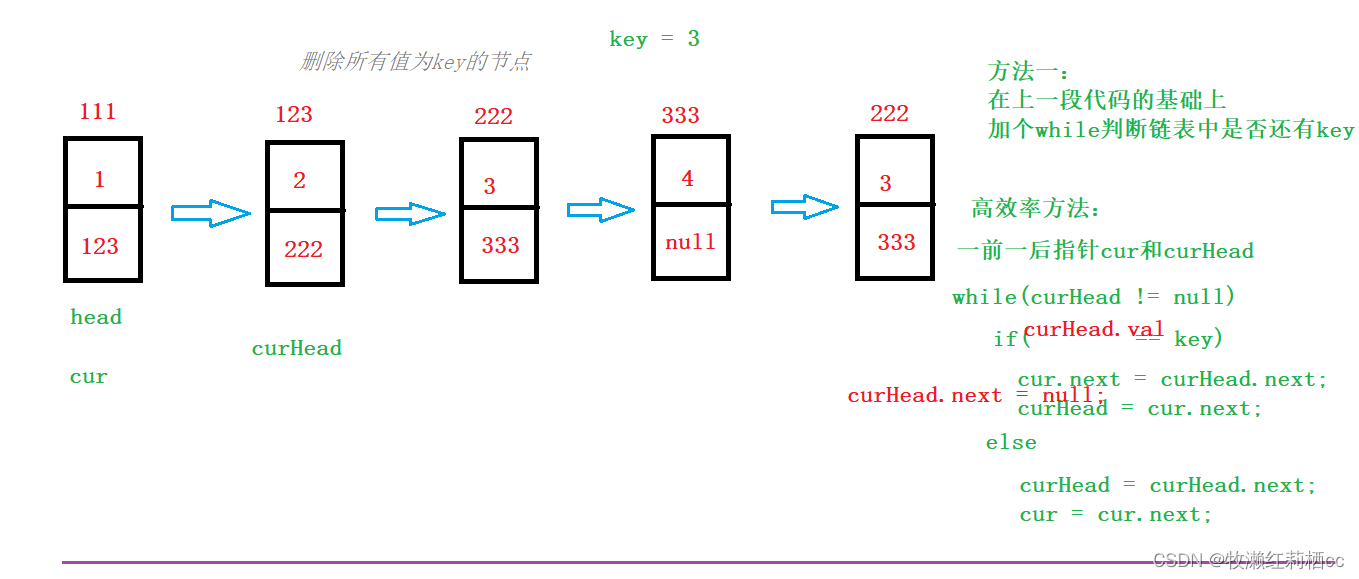

2.1无头双向链表实现
class ListNodeD { public int data; //数据域 public ListNodeD prev; //前驱 public ListNodeD next; //后续 public ListNodeD(int data) { this.data = data; } } public class MyRealLinkedList { //头尾节点事关全局,不建议改变位置 public ListNodeD head; //头 public ListNodeD last; //尾 //输出链表数据 public void display(){ if (this.head == null) { System.out.println("链表为空"); return; } ListNodeD cur = this.head; while (cur != null) { System.out.print(cur.data + " "); cur = cur.next; } System.out.println(); } //获取链表长度 public int size(){ int count = 0; if (this.head == null) { return count; } ListNodeD cur = this.head; while (cur != null) { count++; cur = cur.next; } return count; } //头插法 public void addFirst(int data) { ListNodeD node = new ListNodeD(data); if (this.head == null) { this.head = node; this.last = node; }else { node.next = this.head; this.head.prev = node; this.head = node; } } //尾插法 public void addLast(int data) { ListNodeD node = new ListNodeD(data); if (this.head == null) { this.last = node; this.head = node; }else { this.last.next = node; node.prev = this.last; this.last = node; } } //找index位置的前一位节点 public ListNodeD findIndex(int index) { int count = 0; ListNodeD cur = this.head; while (count < index-1) { count++; cur = cur.next; } return cur; } //任意位置插入,第一个数据节点为0号下标 public void addIndex(int index, int data) { //判断index是否合法 if (index < 0 || index > size()) { System.out.println("index有问题"); return; } //判断链表是否有数据 if (this.head == null) { System.out.println("链表数据为空"); return; } //头插法 if (index == 0) { addFirst(data); return; } //尾插法 if (index == size()) { addLast(data); return; } //插入链表中间位置 ListNodeD cur = findIndex(index); ListNodeD node = new ListNodeD(data); node.prev = cur; node.next = cur.next; cur.next.prev = node; cur.next = node; } //查找是否包含关键字key.是否在单链表当中 public boolean contains(int key) { //链表为空 if (this.head == null) { return false; } ListNodeD cur = this.head; while (cur != null){ if (key == cur.data) { return true; } cur = cur.next; } return false; } //删除第一次出现关键字为key的节点 public void remove(int key) { //判断空表 if (this.head == null) { System.out.println("空表"); return; } //判断是否有key在链表中 if (!contains(key)) { System.out.println("key不存在"); return; } ListNodeD cur = this.head; //删除节点在头节点 if (this.head.data == key) { this.head = this.head.next; this.head.prev = null; cur.next = null; return; } //删除节点在尾节点 if (this.last.data == key) { this.last = this.last.prev; this.last.next = null; cur.prev = null; return; } //删除节点在中间 while (cur != null){ if (cur.data == key) { cur.prev.next = cur.next; cur.next.prev = cur.prev; return; } cur = cur.next; } return; } //删除所有值为key的节点 public void removeAllKey(int key) { //判断空表 if (this.head == null) { System.out.println("空表"); return; } //判断是否有key在链表中 if (!contains(key)) { System.out.println("key不存在"); return; } //判断链表中只有key就进入循环 while (contains(key)) { //创建cur代替头节点去删除key ListNodeD cur = this.head; //删除节点在头节点 if (this.head.data == key) { this.head = this.head.next; this.head.prev = null; cur.next = null; } //删除节点在尾节点 if (this.last.data == key) { this.last = this.last.prev; this.last.next = null; cur.prev = null; } //删除节点在中间 while (cur != null){ if (cur.data == key) { cur.prev.next = cur.next; cur.next.prev = cur.prev; //删除一个就溜,不然容易空指针异常 break; } cur = cur.next; } } } //清除双向链表的数据 public void clear(){ ListNodeD cur = this.head; while (this.head != null) { this.head = this.head.next; cur.next = null; cur.prev = null; cur = this.head; } this.head = null; this.last = null; } }- 1
- 2
- 3
- 4
- 5
- 6
- 7
- 8
- 9
- 10
- 11
- 12
- 13
- 14
- 15
- 16
- 17
- 18
- 19
- 20
- 21
- 22
- 23
- 24
- 25
- 26
- 27
- 28
- 29
- 30
- 31
- 32
- 33
- 34
- 35
- 36
- 37
- 38
- 39
- 40
- 41
- 42
- 43
- 44
- 45
- 46
- 47
- 48
- 49
- 50
- 51
- 52
- 53
- 54
- 55
- 56
- 57
- 58
- 59
- 60
- 61
- 62
- 63
- 64
- 65
- 66
- 67
- 68
- 69
- 70
- 71
- 72
- 73
- 74
- 75
- 76
- 77
- 78
- 79
- 80
- 81
- 82
- 83
- 84
- 85
- 86
- 87
- 88
- 89
- 90
- 91
- 92
- 93
- 94
- 95
- 96
- 97
- 98
- 99
- 100
- 101
- 102
- 103
- 104
- 105
- 106
- 107
- 108
- 109
- 110
- 111
- 112
- 113
- 114
- 115
- 116
- 117
- 118
- 119
- 120
- 121
- 122
- 123
- 124
- 125
- 126
- 127
- 128
- 129
- 130
- 131
- 132
- 133
- 134
- 135
- 136
- 137
- 138
- 139
- 140
- 141
- 142
- 143
- 144
- 145
- 146
- 147
- 148
- 149
- 150
- 151
- 152
- 153
- 154
- 155
- 156
- 157
- 158
- 159
- 160
- 161
- 162
- 163
- 164
- 165
- 166
- 167
- 168
- 169
- 170
- 171
- 172
- 173
- 174
- 175
- 176
- 177
- 178
- 179
- 180
- 181
- 182
- 183
- 184
- 185
- 186
- 187
- 188
- 189
- 190
- 191
- 192
- 193
- 194
- 195
- 196
- 197
- 198
- 199
- 200
- 201
- 202
- 203
- 204
- 205
- 206
- 207
- 208
- 209
- 210
- 211
- 212
- 213
- 214
- 215
- 216
- 217
- 218
- 219
- 220
- 221
- 222
- 223
2.2 代码图解


链表测试类
public class Test { //双向链表测试 public static void main(String[] args) { MyRealLinkedList mr = new MyRealLinkedList(); mr.addLast(1); mr.addLast(2); mr.addLast(2); mr.addLast(4); mr.addLast(2); mr.addLast(2); mr.addLast(2); mr.display(); mr.clear(); mr.display(); // mr.removeAllKey(2); // mr.display(); // mr.remove(2); // mr.display(); // System.out.println(mr.contains(6)); // mr.addIndex(5,99); // mr.display(); // System.out.println(mr.size()); } //单链表测试 public static void main(String[] args) { MyLinkedList myLinkedList = new MyLinkedList(); myLinkedList.createList(); myLinkedList.show(); // myLinkedList.clear(); // myLinkedList.show(); // myLinkedList.removeAllKey1(4); // myLinkedList.removeAllKey2(1); // myLinkedList.show(); // myLinkedList.remove(4); // myLinkedList.show(); // myLinkedList.show(); // myLinkedList.addIndex(0,0); // myLinkedList.show(); // myLinkedList.addIndex(myLinkedList.size(),myLinkedList.size()); // myLinkedList.show(); // myLinkedList.addIndex(3,999); // myLinkedList.show(); // myLinkedList.addFirst(11); // myLinkedList.addFirst(22); // myLinkedList.addLast(11); // myLinkedList.addLast(22); // myLinkedList.show(); // myLinkedList.show(); // System.out.println(myLinkedList.size()); // System.out.println(myLinkedList.contains(4)); } }- 1
- 2
- 3
- 4
- 5
- 6
- 7
- 8
- 9
- 10
- 11
- 12
- 13
- 14
- 15
- 16
- 17
- 18
- 19
- 20
- 21
- 22
- 23
- 24
- 25
- 26
- 27
- 28
- 29
- 30
- 31
- 32
- 33
- 34
- 35
- 36
- 37
- 38
- 39
- 40
- 41
- 42
- 43
- 44
- 45
- 46
- 47
- 48
- 49
- 50
- 51
- 52
- 53
- 54
- 55
- 56
- 57
- 58
- 59
- 60
- 61
- 62
- 63
- 64
- 65
- 66
二、顺序表和链表的区别和联系
顺序表
优势:空间连续,支持随机访问。
缺点:中间或者前面的数据,需要插入或者删除操作的时候,时间复杂度高,效率低;增容的代价比较大。
链表
优势:任意位置插入删除数据,时间复杂度为O(1);没有增容问题,插入一个开辟一个空间。
缺点:以节点为单位存储,不支持随机访问。 -
相关阅读:
使用强大的DBPack处理分布式事务(PHP使用教程)
curl 检测远程文件是否存在(404)
Python ML实战-工业蒸汽量预测02-数据探索
java-php-net-python-代驾网站计算机毕业设计程序
2022年全网最细虚拟机 Vmware15 安装 Windows
从大数据中看人工智能机器人的教育模式
《向量数据库指南》为什么要研发 Milvus Cloud?
命令执行漏洞
线程池实现原理
选择同步云盘工具?这些值得一试的优秀选择!
- 原文地址:https://blog.csdn.net/sfg0861/article/details/126911110
