spring boot 分布式session实现
主要是通过包装HttpServletRequest将session相关的方法进行代理。
具体是的实现就是通过SessionRepositoryFilter过滤器将HttpServletRequest对象进行包装,当调用session相关的方法时,代理到SessionRepository的实现类。
我们先看看SessionRepository。
public interface SessionRepositoryextends Session> {
	//创建session
	S createSession();
	//保存session
	void save(S session);
	//通过session Id查找session
	S findById(String id);
	//通过session Id删除session
	void deleteById(String id);

}
SessionRepository是一个接口,主要用来管理session。各种分布式session处理方案都需要实现这个接口来实现具体的处理。
SessionRepositoryFilter是一个过滤器,它的构造方法会接收一个SessionRepository的实现类,并且在它的filter方法中会对HttpServletRequest、HttpServletResponse进行包装,当后续调用到session相关的方法时,最终都会调用到SessionRepository方法。
SessionRepositoryFilter继承了OncePerRequestFilter
OncePerRequestFilter是一个抽象类,需要子类来实现doFilterInternal方法来实现。这个抽象类主要用来控制每个filter只执行一次。在它的doFilter方法中,又会调用到doFilterInternal这个抽象方法。
这个是SessionRepositoryFilter的构造方法
	public SessionRepositoryFilter(SessionRepository sessionRepository) {
		if (sessionRepository == null) {
			throw new IllegalArgumentException("sessionRepository cannot be null");
		}
		this.sessionRepository = sessionRepository;
	}
这个是SessionRepositoryFilter的doFilterInternal方法,在这个方法中可以看到分别将request,response进行了包装,在这之后获取的request,response实际上是SessionRepositoryRequestWrapper、SessionRepositoryResponseWrapper类型。
	@Override
	protected void doFilterInternal(HttpServletRequest request, HttpServletResponse response, FilterChain filterChain)
			throws ServletException, IOException {
		request.setAttribute(SESSION_REPOSITORY_ATTR, this.sessionRepository);

		SessionRepositoryRequestWrapper wrappedRequest = new SessionRepositoryRequestWrapper(request, response);
		SessionRepositoryResponseWrapper wrappedResponse = new SessionRepositoryResponseWrapper(wrappedRequest,
				response);

		try {
			filterChain.doFilter(wrappedRequest, wrappedResponse);
		}
		finally {
			wrappedRequest.commitSession();
		}
	}
之后调用request.getSesion()之类session相关的方法实际都会调用到SessionRepositoryRequestWrapper的方法。
SessionRepositoryRequestWrapper是SessionRepositoryFilter的内部类,所以虽然在doFilterInternal方法中创建SessionRepositoryRequestWrapper对象时,没有传递SessionRepository,但它依旧是可以使用的。
下面简单看下SessionRepositoryRequestWrapper的getSession方法
		@Override
		public HttpSessionWrapper getSession() {
			return getSession(true);
		}

		@Override
		public HttpSessionWrapper getSession(boolean create) {
		  ......
      //不相关的代码已经省略,如果对应的session已经存在,就会从上面省略的地方返回对应的session。
      //如果session不存在,就会在下面去创建session。
      //可以看到这里是通过SessionRepositoryFilter.this.sessionRepository来创建的
			S session = SessionRepositoryFilter.this.sessionRepository.createSession();
			session.setLastAccessedTime(Instant.now());
			currentSession = new HttpSessionWrapper(session, getServletContext());
			setCurrentSession(currentSession);
			return currentSession;
		}
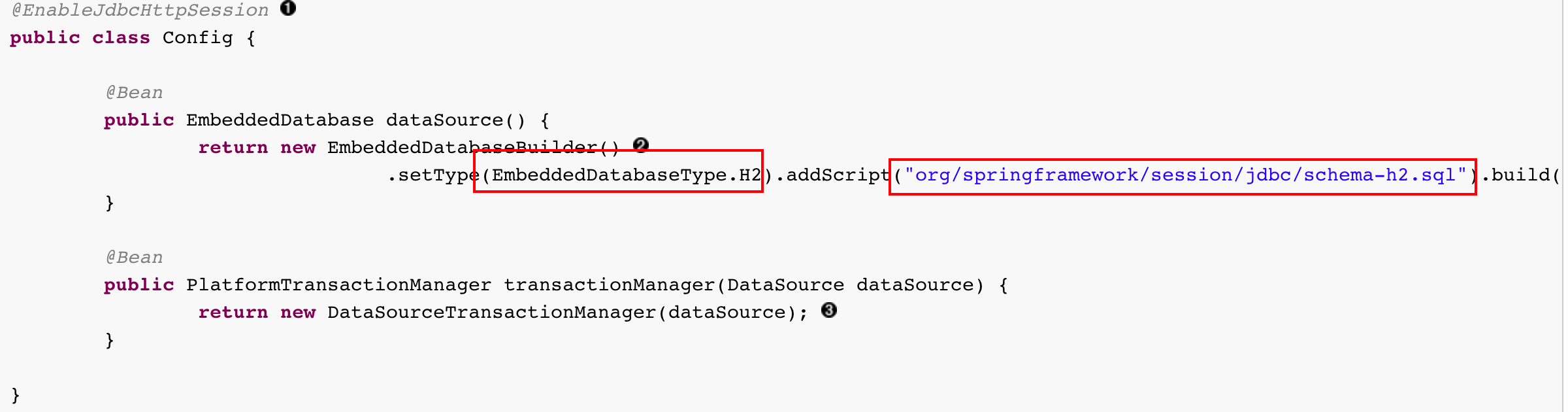
spring的文档也写了如何使用redis和数据库来实现分布式session。当然spring也已经实现了redis和数据库的具体实现。我们仅仅使用配置就可以来使用。
具体的文档可以查看这里https://docs.spring.io/spring-session/docs/2.2.x/reference/html/httpsession.html#httpsession-redis-jc
比如使用redis来做分布式session
我们只需要进行下面几步
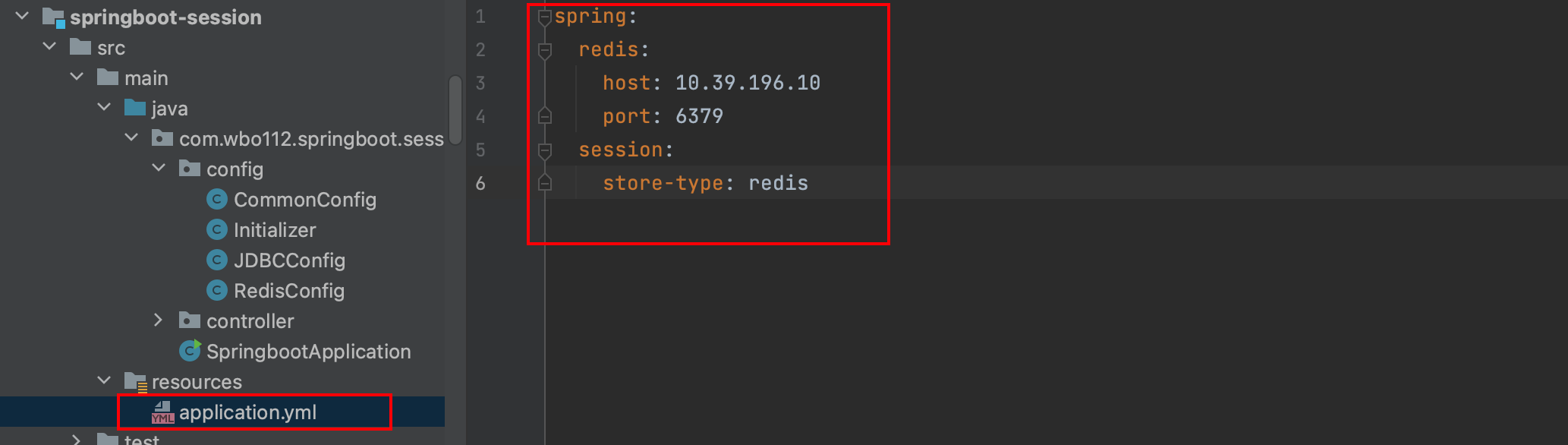
1、配置redis连接的相关信息
2、通过配置启动redis session相关

上面我分别标注了1、2、3。
我们分别来看看。
-
标注1:先看下
EnableRedisHttpSession注解
这个类会通过Import注解导入RedisHttpSessionConfiguration类。而RedisHttpSessionConfiguration类又是继承了SpringHttpSessionConfiguration。

在RedisHttpSessionConfiguration中会实现具体的session管理的相关工作。它会创建一个类型为RedisIndexedSessionRepository的bean。这个bean就实现了我们开头提到的SessionRepository接口,用来执行具体的session管理的相关工作。比如将session保存到redis,从redis查找、删除对应session等等具体的工作。

在SpringHttpSessionConfiguration中会通过注入上面创建的RedisIndexedSessionRepository的bean,创建SessionRepositoryFilter过滤器。
各种分布式实现方案一般都是通过这种方式来实现的。实现具体的
session管理工作。通过SpringHttpSessionConfiguration来完成其他工作。使用数据库做分布式session的时候也是继承
SpringHttpSessionConfiguration。

-
标注2:这个是通过我们在yml中的配置来得到redis的连接工厂
-
标注3:这个主要是用来指定redis序列化的实现。
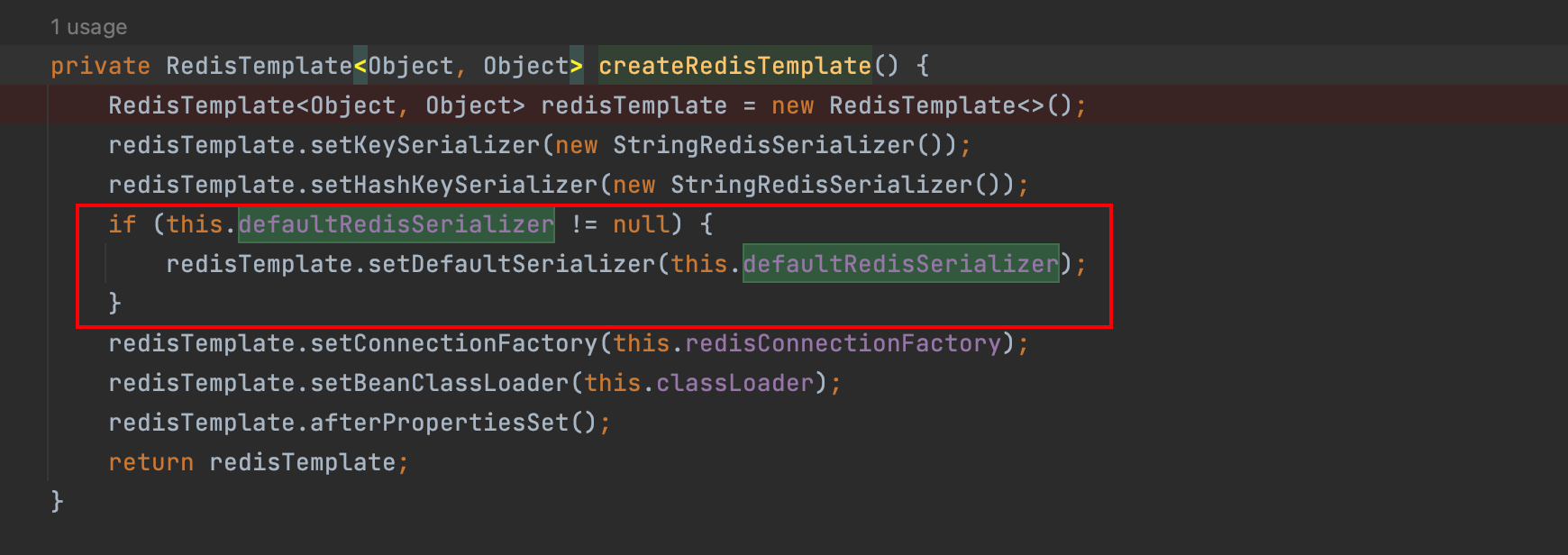

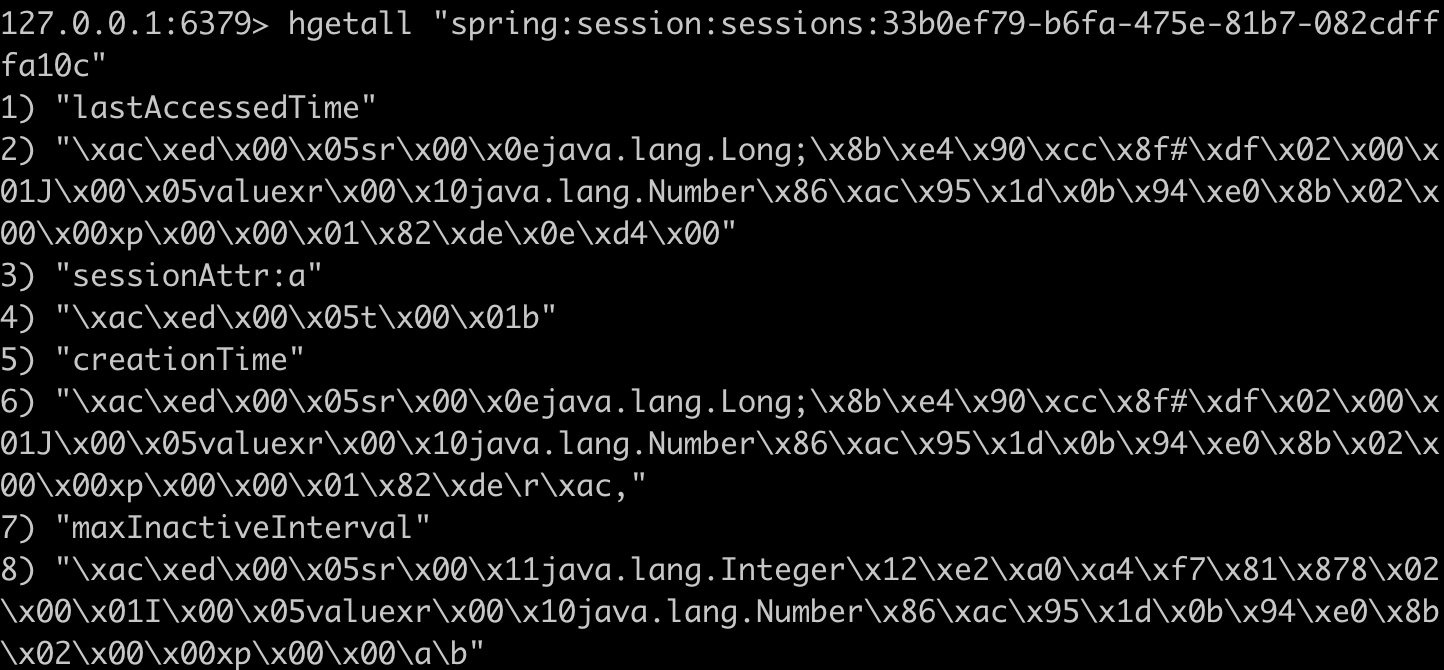
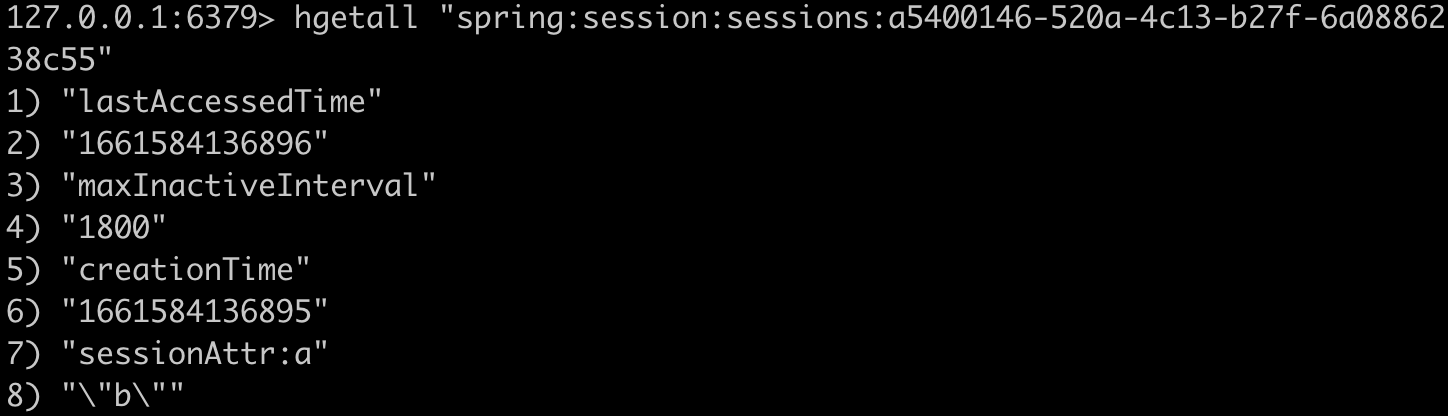
上面的是RedisHttpSessionConfiguration的方法,在创建RedisTemplate、RedisIndexedSessionRepository时,都会判断defaultRedisSerializer是否为null,不是null的情况下,会设置到RedisTemplate、RedisIndexedSessionRepository上去。默认的序列化实现,在我们在redis直接查看的时候,就会显示乱码。如下图:
注意:这里我们可以看到
RedisTemplate并不是通过注入的方式来实现的。所以我们在外面创建RedisTemplate的bean对象,在这里时用不到的。
所以就需要我们通过指定序列化实现,注入到defaultRedisSerializer属性上。在RedisHttpSessionConfiguration这个类中正好有注入的方法:

所以我们就可以在我们的代码中生成RedisSerializer类型的bean,同时指定bean的名字为springSessionDefaultRedisSerializer,就可以注入上去。
现在我们在redis查看session时,就不是乱码了。
其他如使用数据库或其他方案来实现分布式session,基本都和redis是类似的。
不过由于各种数据库的语法、等等各方面会稍有差异,所以每个数据库的session的建表语句都是不同的。如文档上所说,需要指定数据库类型和建表脚本。