-
iOS——Autoreleasepool底层原理
什么是autoreleasepool
顾名思义,autoreleasepool也称为自动释放池,类似于C语言中的自动变量,我们可以将对象加入到autoreleasepool中,当其超出其作用域时,调用release释放该对象。
在之前探究ARC实现时,我们可以发现ARC将非自己持有的对象加入到了autoreleasepool。

下面深入了解一下autoreleasepool的结构autoreleasepool的结构
在objc中查看源码可以发现最后会走到:

上面的方法看上去是对 AutoreleasePoolPage 对应静态方法 push 和 pop 的封装。下面看看这个AutoreleasePoolPage。AutoreleasePoolPage
在objc中点开其源码:
// MARK: - AutoReleasepool class class AutoreleasePoolPage { // EMPTY_POOL_PLACEHOLDER is stored in TLS when exactly one pool is // pushed and it has never contained any objects. This saves memory // when the top level (i.e. libdispatch) pushes and pops pools but // never uses them. # define EMPTY_POOL_PLACEHOLDER ((id*)1) # define POOL_BOUNDARY nil static pthread_key_t const key = AUTORELEASE_POOL_KEY; static uint8_t const SCRIBBLE = 0xA3; // 0xA3A3A3A3 after releasing static size_t const SIZE = #if PROTECT_AUTORELEASEPOOL PAGE_MAX_SIZE; // must be multiple of vm page size #else PAGE_MAX_SIZE; // size and alignment, power of 2 #endif static size_t const COUNT = SIZE / sizeof(id); // 校验完整性 magic_t const magic; // next指针指向最新添加的autoreleased对象的下一个位置,初始化时指向begin() id *next; // 指向当前线程 pthread_t const thread; // 父节点 AutoreleasePoolPage * const parent; // 子节点 AutoreleasePoolPage *child; // 节点深度 uint32_t const depth; uint32_t hiwat; // SIZE-sizeof(*this) bytes of contents follow static void * operator new(size_t size) { return malloc_zone_memalign(malloc_default_zone(), SIZE, SIZE); } static void operator delete(void * p) { return free(p); }- 1
- 2
- 3
- 4
- 5
- 6
- 7
- 8
- 9
- 10
- 11
- 12
- 13
- 14
- 15
- 16
- 17
- 18
- 19
- 20
- 21
- 22
- 23
- 24
- 25
- 26
- 27
- 28
- 29
- 30
- 31
- 32
- 33
- 34
- 35
- 36
- 37
- 38
- 39
- 40
- 41
- 42
- 43
- 44
- 45
- 46
- 47
这个数据结构很熟悉,原来Auto releasePool的底层是由一系列的 AutoreleasePoolPage 组成的
(并且每一个 AutoreleasePoolPage 的大小都是 4096 字节(16 进制 0x1000))#define I386_PGBYTES 4096 #define PAGE_SIZE I386_PGBYTES- 1
- 2
结构如下所示:

是一个双向链表,parent 和 child 就是用来构造双向链表的指针。在官方文档对于AutoreleasePool的解释中,我们可以看到下面几个概念,在下面的源码用得上。
Autorelease pool implementation - A thread's autorelease pool is a stack of pointers. 线程的自动释放池是指针的堆栈 - Each pointer is either an object to release, or POOL_BOUNDARY which is an autorelease pool boundary. 每个指针都是要释放的对象,或者是POOL_BOUNDARY,它是自动释放池的边界。 - A pool token is a pointer to the POOL_BOUNDARY for that pool. When the pool is popped, every object hotter than the sentinel is released. 池令牌是指向该池的POOL_BOUNDARY的指针。弹出池后,将释放比哨点更热的每个对象。 - The stack is divided into a doubly-linked list of pages. Pages are added and deleted as necessary. 堆栈分为两个双向链接的页面列表。根据需要添加和删除页面。 - Thread-local storage points to the hot page, where newly autoreleased objects are stored. 线程本地存储指向热页面,该页面存储新自动释放的对象。- 1
- 2
- 3
- 4
- 5
- 6
- 7
- 8
- 9
- 10
- 11
- 12
- 13
- 14
- 15
- 16
- 17
- 18
1、自动释放池 是一个 关于指针的栈结构
2、其中的指针是指要释放的对象或者 pool_boundary 哨兵(现在经常被称为 边界)
pool_boundary:POOL_BOUNDARY:nil的宏定义,替代之前的哨兵对象POOL_SENTINEL,在自动释放池创建时,在objc_autoreleasePoolPush中将其推入自动释放池中。在调用objc_autoreleasePoolPop时,会将池中对象按顺序释放,直至遇到最近一个POOL_BOUNDARY时停止。3、自动释放池是一个页的结构(虚拟内存中提及过) ,而且这个页是一个双向链表(表示有父节点 和 子节点,在类中提及过,即类的继承链)
4、一些名词
-
hotPage:是当前正在使用的page,操作都是在hotPage上完成,一般处于链表末端或者倒数第二个位置。存储在TLS中,可以理解为一个每个线程共享一个自动释放池链表。 -
coldPage:位于链表头部的page,可能同时为hotPage。 -
EMPTY_POOL_PLACEHOLDER:当自动释放池中没有推入过任何对象时,这个时候推入一个POOL_BOUNDARY,会先将EMPTY_POOL_PLACEHOLDER存储在 TLS 中作为标识符,并且此次并不推入POOL_BOUNDARY。等再次有对象被推入自动释放池时,检查在 TLS 中取出该标识符,这个时候再推入POOL_BOUNDARY。 -
next:指向AutoreleasePoolPage指向栈顶空位的指针,每次加入新的元素都会往上移动。
autoreleasePool中的栈
如果我们的一个 AutoreleasePoolPage 被初始化在内存的 0x100816000 ~ 0x100817000 中,它在内存中的结构如下:

其中有 56 bit 用于存储 AutoreleasePoolPage 的成员变量,剩下的 0x100816038 ~ 0x100817000 都是用来存储加入到自动释放池中的对象。
begin() 和 end() 这两个类的实例方法帮助我们快速获取 0x100816038 ~ 0x100817000 这一范围的边界地址。
next 指向了下一个为空的内存地址,如果 next 指向的地址加入一个 object,它就会如下图所示移动到下一个为空的内存地址中:

在栈中release加入的元素时候,就会根据哨兵也就是pool_boundary来作为边界Pop。
当方法 objc_autoreleasePoolPop 调用时,就会向自动释放池中的对象发送 release 消息,直到第一个 POOL_SENTINEL:

autoreleasePool的实现源码
objc_autoreleasePoolPush
void * objc_autoreleasePoolPush(void) { return AutoreleasePoolPage::push(); }- 1
- 2
- 3
- 4
- 5
它调用 AutoreleasePoolPage 的类方法 push,也非常简单:
// push 返回的是next指针指向的obj(是一个released obj) static inline void *push() { id *dest; if (DebugPoolAllocation) { // 每一个autoreleasepool对象开始于一个新的autoreleasepoolpage // Each autorelease pool starts on a new pool page. dest = autoreleaseNewPage(POOL_BOUNDARY); } else { dest = autoreleaseFast(POOL_BOUNDARY); } assert(dest == EMPTY_POOL_PLACEHOLDER || *dest == POOL_BOUNDARY); return dest; }- 1
- 2
- 3
- 4
- 5
- 6
- 7
- 8
- 9
- 10
- 11
- 12
- 13
- 14
- 15
- 16
objc_autoreleasePoolPush方法其实就是向自动释放池推入一个POOL_BOUNDARY,作为该autoreleasepool的起点。autoreleaseFast方法的具体逻辑将在后面分析autorelease方法时再进行分析。autorelease
下面看加入自动释放池方法autorelease的代码实现:
static inline id autorelease(id obj) { id *dest __unused = autoreleaseFast(obj); return obj; }- 1
- 2
- 3
- 4
可以看到这里把对象作为参数调用了
autoreleaseFast。// 创建一个page逻辑 static inline id *autoreleaseFast(id obj) { // hotPage可以理解为正在使用的AutoreleasePoolPage AutoreleasePoolPage *page = hotPage(); if (page && !page->full()) { // 有 hotPage 且不满 直接加入栈中 return page->add(obj); } else if (page) { // hotPage 已满 先创建一个 Page 后,加入新 Page 中 return autoreleaseFullPage(obj, page); } else { // 没有 hotPage 直接新建一个 Page,并加入 Page 中 return autoreleaseNoPage(obj); } }- 1
- 2
- 3
- 4
- 5
- 6
- 7
- 8
- 9
- 10
- 11
- 12
- 13
- 14
- 15
- 16
这段代码的逻辑:
- 如果HotPage存在且未满,则直接推入hotPage。
- 如果HotPage存在且已经满,则调用autoreleaseFullPage,去初始化一个新的页,并推入
- 如果不存在HotPage,则调用autoreleaseNoPage,创建一个hotPage,推入hotPage。
autoreleaseFullPage(当前 hotPage 已满)
// MARK: - 创建一个new page static __attribute__((noinline)) id *autoreleaseFullPage(id obj, AutoreleasePoolPage *page) { // The hot page is full. // Step to the next non-full page, adding a new page if necessary. // Then add the object to that page. assert(page == hotPage()); assert(page->full() || DebugPoolAllocation); // 找到一个未满的 page , 未找到则新建一个 page ,设置成 hotPage do { if (page->child) page = page->child; else page = new AutoreleasePoolPage(page); } while (page->full()); setHotPage(page); return page->add(obj); }- 1
- 2
- 3
- 4
- 5
- 6
- 7
- 8
- 9
- 10
- 11
- 12
- 13
- 14
- 15
- 16
- 17
- 18
该方法逻辑如下:
- 查看hotPage是否有后继节点(page),如果有直接使用后继节点。
- 如果没有后继节点,则新建一个AutoreleasePoolPage。
- 将对象加入获取到的page,并将其设置为hotPage,其实就是存入 TLS 中共享。
autoreleaseNoPage(没有 hotPage)
// autoreleasepool中没有page static __attribute__((noinline)) id *autoreleaseNoPage(id obj) { // "No page" could mean no pool has been pushed // or an empty placeholder pool has been pushed and has no contents yet // 执行 No page 表示目前还没有释放池,或者有一个空占位符池,但是还没有加入对象 assert(!hotPage()); bool pushExtraBoundary = false; if (haveEmptyPoolPlaceholder()) { // We are pushing a second pool over the empty placeholder pool // or pushing the first object into the empty placeholder pool. // Before doing that, push a pool boundary on behalf of the pool // that is currently represented by the empty placeholder. // 如果是空占位符池,需要加入一个释放池边界 pushExtraBoundary = true; } else if (obj != POOL_BOUNDARY && DebugMissingPools) {//如果没有创建一个autoreleasepool,则直接抛异常 // We are pushing an object with no pool in place, // and no-pool debugging was requested by environment. _objc_inform("MISSING POOLS: (%p) Object %p of class %s " "autoreleased with no pool in place - " "just leaking - break on " "objc_autoreleaseNoPool() to debug", pthread_self(), (void*)obj, object_getClassName(obj)); objc_autoreleaseNoPool(obj); return nil; } else if (obj == POOL_BOUNDARY && !DebugPoolAllocation) { // 如果传入 POOL_BOUNDARY 则设置空池占位符 // We are pushing a pool with no pool in place, // and alloc-per-pool debugging was not requested. // Install and return the empty pool placeholder. return setEmptyPoolPlaceholder(); } // We are pushing an object or a non-placeholder'd pool. // 初始化一个 page 并设置 hotPage // Install the first page. AutoreleasePoolPage *page = new AutoreleasePoolPage(nil); setHotPage(page); // 插入释放池边界 if (pushExtraBoundary) { page->add(POOL_BOUNDARY); } // obj添加到page中 return page->add(obj); }- 1
- 2
- 3
- 4
- 5
- 6
- 7
- 8
- 9
- 10
- 11
- 12
- 13
- 14
- 15
- 16
- 17
- 18
- 19
- 20
- 21
- 22
- 23
- 24
- 25
- 26
- 27
- 28
- 29
- 30
- 31
- 32
- 33
- 34
- 35
- 36
- 37
- 38
- 39
- 40
- 41
- 42
- 43
- 44
- 45
- 46
- 47
- 48
- 49
- 50
autoreleaseNoPage只有在自动释放池还没有page时调用,主要逻辑:
- 如果当前自动释放池推入的是一个哨兵
POOL_BOUNDARY时,将EmptyPoolPlaceholder存入 TLS 中。 - 如果 TLS 存储了
EmptyPoolPlaceholder时,在创建好page之后,会先推入一个POOL_BOUNDARY,然后再将加入自动释放池的对象推入。
推入都是调用了add函数:
// 向page中加入对象 id *add(id obj) { assert(!full()); unprotect(); // 将next节点赋值给ret id *ret = next; // faster than `return next-1` because of aliasing // 将obj赋值给next *next++ = obj; protect(); return ret; }- 1
- 2
- 3
- 4
- 5
- 6
- 7
- 8
- 9
- 10
- 11
- 12
- 13
- 14
- 15
这个很好理解,就是一个压入栈的操作。
objc_autoreleasePoolPop
在自动释放池所在作用域结束时,会调用objc_autoreleasePoolPop,对自动释放池中的对象进行释放。
// pop static inline void pop(void *token) { AutoreleasePoolPage *page; id *stop; // 如果是空池占位符,要清空整个自动释放池 if (token == (void*)EMPTY_POOL_PLACEHOLDER) { // Popping the top-level placeholder pool. if (hotPage()) { // Pool was used. Pop its contents normally. // Pool pages remain allocated for re-use as usual. // 如果存在 hotPage ,则找到 coldPage 的起点 重新 pop pop(coldPage()->begin()); } else { // 未使用过的释放池,置空 TLS 中存放的 hotPage. setHotPage(nil); } return; } // 根据token获取page page = pageForPointer(token); stop = (id *)token; if (*stop != POOL_BOUNDARY) { // 在 stop 不为 POOL_BOUNDARY 的情况下 只可能是 coldPage()->begin() if (stop == page->begin() && !page->parent) { // 弹出顶层池,使冷页保持原位 // 没有池的对象将被自动释放 // Start of coldest page may correctly not be POOL_BOUNDARY: // 1. top-level pool is popped, leaving the cold page in place // 2. an object is autoreleased with no pool } else { // 如果不是 POOL_BOUNDARY 也不是 coldPage()->begin() 则报错 // Error. For bincompat purposes this is not // fatal in executables built with old SDKs. return badPop(token); } } if (PrintPoolHiwat) printHiwat(); /// 释放 stop 后面的所有对象 page->releaseUntil(stop); // 清除空节点 if (DebugPoolAllocation && page->empty()) { // special case: delete everything during page-per-pool debugging AutoreleasePoolPage *parent = page->parent; page->kill(); setHotPage(parent); } else if (DebugMissingPools && page->empty() && !page->parent) { // special case: delete everything for pop(top) // when debugging missing autorelease pools page->kill(); setHotPage(nil); } // 清除后续节点 page else if (page->child) { // 如果当前 page 没有达到半满,则干掉所有后续 page if (page->lessThanHalfFull()) { page->child->kill(); } // 如果当前 page 达到半满以上,则保留下一页 else if (page->child->child) { page->child->child->kill(); } } }- 1
- 2
- 3
- 4
- 5
- 6
- 7
- 8
- 9
- 10
- 11
- 12
- 13
- 14
- 15
- 16
- 17
- 18
- 19
- 20
- 21
- 22
- 23
- 24
- 25
- 26
- 27
- 28
- 29
- 30
- 31
- 32
- 33
- 34
- 35
- 36
- 37
- 38
- 39
- 40
- 41
- 42
- 43
- 44
- 45
- 46
- 47
- 48
- 49
- 50
- 51
- 52
- 53
- 54
- 55
- 56
- 57
- 58
- 59
- 60
- 61
- 62
- 63
- 64
- 65
- 66
- 67
- 68
- 69
这段代码逻辑:
- 检查入参是否为空池占位符
EMPTY_POOL_PLACEHOLDER,如果是则继续判断是否hotPage存在,如果hotPage存在则将释放的终点改成coldPage()->begin(),如果hotPage不存在,则置空 TLS 存储中的hotPage。 - 检查stop既不是
POOL_BOUNDARY也不是coldPage()->begin()的情况将报错。 - 清空自动释放池中stop之后的所有对象。
- 判断当前page如果没有达到半满,则干掉所有后续所有 page,如果超过半满则只保留下一个page。
这里用到了几个函数,首先是通过token获取page的pageForPointer:
static AutoreleasePoolPage *pageForPointer(uintptr_t p) { AutoreleasePoolPage *result; uintptr_t offset = p % SIZE; // 将指针与页面的大小,也就是 4096 取模,得到当前指针的偏移量,因为所有的 AutoreleasePoolPage 在内存中都是对齐的: assert(offset >= sizeof(AutoreleasePoolPage)); result = (AutoreleasePoolPage *)(p - offset); result->fastcheck(); return result; }- 1
- 2
- 3
- 4
- 5
- 6
- 7
- 8
- 9
- 10
- 11
- 12
将指针与页面的大小,也就是 4096 取模,得到当前指针的偏移量,因为所有的 AutoreleasePoolPage 在内存中都是对齐的:
p = 0x100816048
p % SIZE = 0x48
result = 0x100816000
而最后调用的方法 fastCheck() 用来检查当前的 result 是不是一个 AutoreleasePoolPage。通过检查 magic_t 结构体中的某个成员是否为 0xA1A1A1A1。
releaseUntil 释放对象
实现如下:
// MARK: - 释放obj void releaseUntil(id *stop) { // Not recursive: we don't want to blow out the stack // if a thread accumulates a stupendous amount of garbage // 遍历链表 while (this->next != stop) { // Restart from hotPage() every time, in case -release // autoreleased more objects AutoreleasePoolPage *page = hotPage(); // fixme I think this `while` can be `if`, but I can't prove it // 获取page的父指针 while (page->empty()) { page = page->parent; setHotPage(page); } page->unprotect(); // 根据next指针缩小一个位置获取obj id obj = *--page->next; memset((void*)page->next, SCRIBBLE, sizeof(*page->next)); page->protect(); if (obj != POOL_BOUNDARY) { // 发送release 消息 objc_release(obj); } } setHotPage(this);- 1
- 2
- 3
- 4
- 5
- 6
- 7
- 8
- 9
- 10
- 11
- 12
- 13
- 14
- 15
- 16
- 17
- 18
- 19
- 20
- 21
- 22
- 23
- 24
- 25
- 26
- 27
- 28
- 29
- 30
- 31
- 32
- 33
- 34
- 35
在这里通过一个while循环,判断当前page如果被清空,则继续清理链表中的上一个page,release了page里面存储的对象。
kill() 方法
void kill() { // Not recursive: we don't want to blow out the stack // if a thread accumulates a stupendous amount of garbage AutoreleasePoolPage *page = this; while (page->child) page = page->child; AutoreleasePoolPage *deathptr; do { deathptr = page; page = page->parent; if (page) { page->unprotect(); page->child = nil; page->protect(); } delete deathptr; } while (deathptr != this); }- 1
- 2
- 3
- 4
- 5
- 6
- 7
- 8
- 9
- 10
- 11
- 12
- 13
- 14
- 15
- 16
- 17
- 18
- 19
- 20
大概逻辑就是先找到最后一页,然后一直删直到删到当前页。
autorelease的调用栈
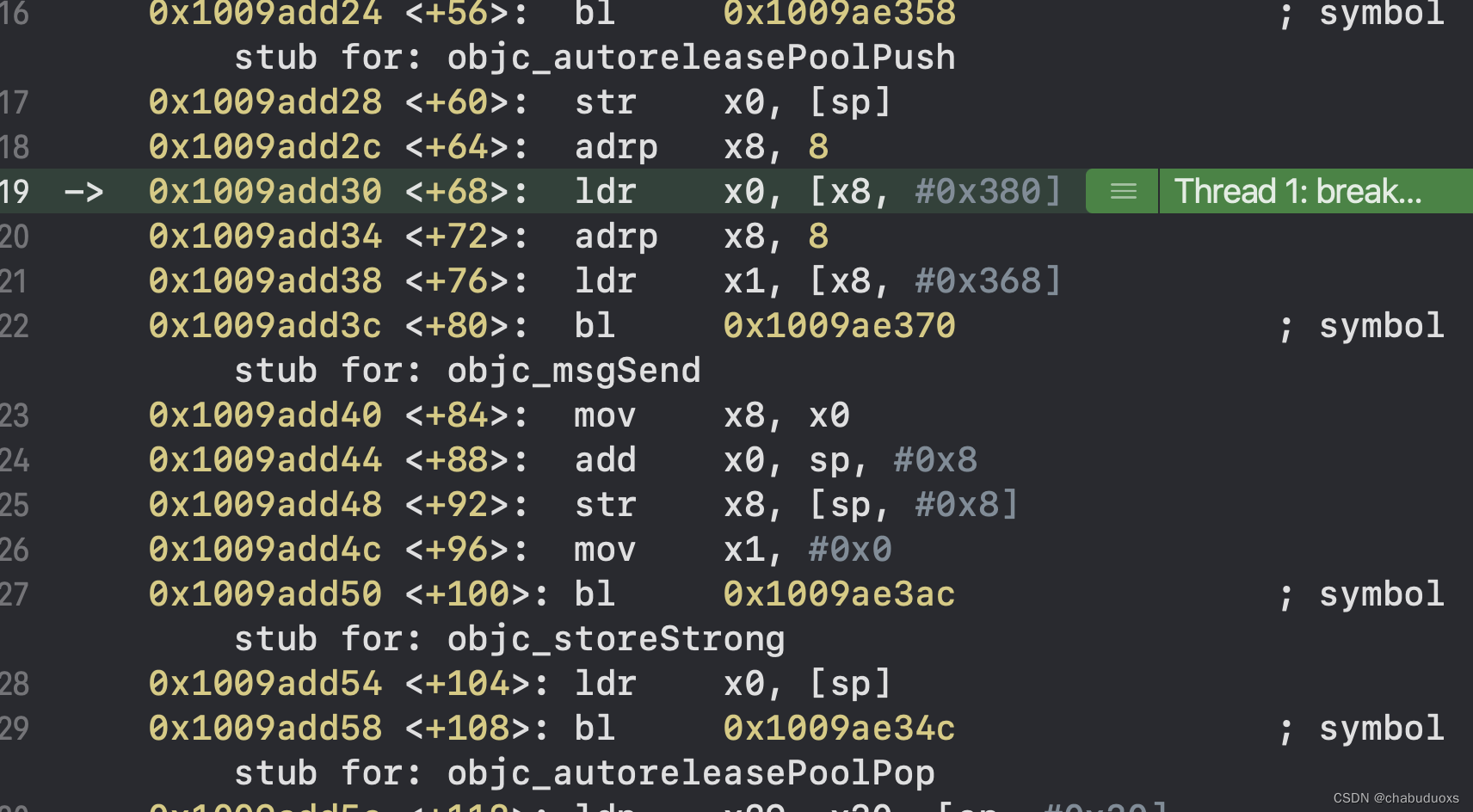
首先就是我们创建autoreleasePool,就是从autoreleasePoolPush开始到Pop结束。- [NSObject autorelease] └── id objc_object::rootAutorelease() └── id objc_object::rootAutorelease2() └── static id AutoreleasePoolPage::autorelease(id obj) └── static id AutoreleasePoolPage::autoreleaseFast(id obj) ├── id *add(id obj) ├── static id *autoreleaseFullPage(id obj, AutoreleasePoolPage *page) │ ├── AutoreleasePoolPage(AutoreleasePoolPage *newParent) │ └── id *add(id obj) └── static id *autoreleaseNoPage(id obj) ├── AutoreleasePoolPage(AutoreleasePoolPage *newParent) └── id *add(id obj)- 1
- 2
- 3
- 4
- 5
- 6
- 7
- 8
- 9
- 10
- 11
- 12
在
autorelease方法的调用栈中,最终都会调用上面提到的autoreleaseFast方法,将当前对象加到AutoreleasePoolPage中。RunLoop和autoreleasePool
iOS在主线程的RunLoop中注册了两个Observer:
- 第1个Observer监听了kCFRunLoopEntry事件,会调用objc_autoreleasePoolPush();
- 第2个Observer:
① 监听了kCFRunLoopBeforeWaiting事件,会调用objc_autoreleasePoolPop()、objc_autoreleasePoolPush();
② 监听了kCFRunLoopBeforeExit事件,会调用objc_autoreleasePoolPop()。
-
相关阅读:
MyBatis扩展之事务和缓存以及ORM
Spring Cloud 微服务项目实战笔记(一)
第2章 线性代数
Unity设置TextMeshPro文本超出范围显示...
springboot启动项问题,服务无法被访问
Scriban语言手册中文版
MySQL数据库的基础操作(简单、基础版
数字化转型,河北吉力宝—传统行业的自我救赎新标杆
Linux速成命令
homeassistant安装HACS应用商店
- 原文地址:https://blog.csdn.net/chabuduoxs/article/details/126326184

- 最新文章
-
沪漂五周年了:我越来越迷茫了
Agentic Skill Routing 实战:别再把所有 Skill 塞进 AI Agent 上下文
MySQL-Seconds_behind_master的精度误差
[MAF预定义ChatClient中间件-03]CachingChatClient——利用缓存省钱省时间
AI的至暗历史:从万众期待到被政府撤资,AI的两次死亡徘徊
Agent OS :五种驯服不确定性的范式
PortSwigger SQL注入LAB11
数据库即时编译JIT
[Begin]AI Learn Data Day 0
深度学习进阶(二十七)现代 LLM 的核心架构设计其二:SwiGLU