-
java中使用rabbitmq
前言
mq常用于业务解耦、流量削峰和异步通信,rabbitmq是使用范围较广,比较稳定的一款开源产品,接下来我们使用springboot的starter来引入rabbitmq,了解mq的几种使用模式,通过几个简单的案例,让你可以快速地了解到该使用哪种模式来对应业务场景,使用rabbitmq看这一篇就够了,下方附安装链接。
一、引入和配置
1.引入
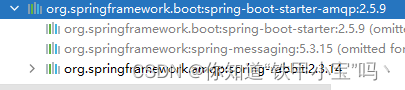
Spring AMQP高级消息队列协议有两部分组成,spring-amqp是基础抽象,spring-rabbit是RabbitMQ实现。<dependency> <groupId>org.springframework.bootgroupId> <artifactId>spring-boot-starter-amqpartifactId> dependency>- 1
- 2
- 3
- 4
2.配置
配置参考RabbitProperties.javaspring: rabbitmq: host: 192.168.137.192 port: 5672 username: guest password: guest virtualHost: /- 1
- 2
- 3
- 4
- 5
- 6
- 7
二、使用
1.队列

RabbitConfigurationpackage com.student.rabbit.queue; import org.springframework.context.annotation.Configuration; import org.springframework.context.annotation.Bean; import org.springframework.amqp.core.Queue; /** * Create by zjg on 2024/3/9 */ @Configuration public class RabbitConfiguration { protected final String queueName = "queue"; @Bean public Queue queue() { return new Queue(this.queueName); } }- 1
- 2
- 3
- 4
- 5
- 6
- 7
- 8
- 9
- 10
- 11
- 12
- 13
- 14
- 15
- 16
- 17
Producerpackage rabbit.queue; import com.student.SpringbootStart; import org.junit.Test; import org.junit.runner.RunWith; import org.springframework.amqp.core.Queue; import org.springframework.amqp.rabbit.core.RabbitTemplate; import org.springframework.beans.factory.annotation.Autowired; import org.springframework.boot.test.context.SpringBootTest; import org.springframework.test.context.junit4.SpringRunner; import java.util.concurrent.atomic.AtomicInteger; /** * Create by zjg on 2024/3/9 */ @RunWith(SpringRunner.class) @SpringBootTest(classes = SpringbootStart.class) public class Producer { @Autowired private RabbitTemplate template; @Autowired private Queue queue; AtomicInteger count = new AtomicInteger(0); @Test public void send() { for (int i = 0; i < 10; i++) { StringBuilder builder = new StringBuilder("Hello"); builder.append(" "+count.incrementAndGet()); String message = builder.toString(); template.convertAndSend(queue.getName(), message); System.out.println(" [x] Sent '" + message + "'"); } } }- 1
- 2
- 3
- 4
- 5
- 6
- 7
- 8
- 9
- 10
- 11
- 12
- 13
- 14
- 15
- 16
- 17
- 18
- 19
- 20
- 21
- 22
- 23
- 24
- 25
- 26
- 27
- 28
- 29
- 30
- 31
- 32
- 33
- 34
- 35
- 36
- 37
Consumerpackage com.student.rabbit.queue; import org.slf4j.Logger; import org.slf4j.LoggerFactory; import org.springframework.amqp.rabbit.annotation.RabbitListener; import org.springframework.stereotype.Component; /** * Create by zjg on 2024/3/9 */ @Component public class Consumer { private static final Logger log = LoggerFactory.getLogger(Consumer.class); protected final String queueName = "queue"; @RabbitListener(queues = queueName) public void receive1(String message){ log.debug("receive1:"+message); } @RabbitListener(queues = queueName) public void receive2(String message){ log.debug("receive2:"+message); } }- 1
- 2
- 3
- 4
- 5
- 6
- 7
- 8
- 9
- 10
- 11
- 12
- 13
- 14
- 15
- 16
- 17
- 18
- 19
- 20
- 21
- 22
- 23
- 24
每个队列都消费了5条消息

2.发布/订阅
交换机类型有fanout,direct, topic, headers四种,接下来我们来学习每种方式的使用以及它们的区别。
2.1 fanout(广播)
P(生产者)产生消息给到X(交换机),X分发给绑定的所有队列。

RabbitFanoutConfiguration
我们定义了AnonymousQueue,它创建了一个具有生成名称的非持久、独占、自动删除队列package com.student.rabbit.fanout; import org.springframework.amqp.core.AnonymousQueue; import org.springframework.amqp.core.Binding; import org.springframework.amqp.core.BindingBuilder; import org.springframework.amqp.core.FanoutExchange; import org.springframework.amqp.core.Queue; import org.springframework.context.annotation.Bean; import org.springframework.context.annotation.Configuration; /** * Create by zjg on 2024/3/10 */ @Configuration public class RabbitFanoutConfiguration { @Bean public FanoutExchange fanout() { return new FanoutExchange("sys.fanout"); } private static class ReceiverConfig { @Bean public Queue fanoutQueue1() { return new AnonymousQueue(); } @Bean public Queue fanoutQueue2() { return new AnonymousQueue(); } @Bean public Binding bindingFanout1(FanoutExchange fanout,Queue fanoutQueue1) { return BindingBuilder.bind(fanoutQueue1).to(fanout); } @Bean public Binding bindingFanout2(FanoutExchange fanout,Queue fanoutQueue2) { return BindingBuilder.bind(fanoutQueue2).to(fanout); } } }- 1
- 2
- 3
- 4
- 5
- 6
- 7
- 8
- 9
- 10
- 11
- 12
- 13
- 14
- 15
- 16
- 17
- 18
- 19
- 20
- 21
- 22
- 23
- 24
- 25
- 26
- 27
- 28
- 29
- 30
- 31
- 32
- 33
- 34
- 35
- 36
- 37
- 38
- 39
- 40
FanoutProducerpackage rabbit.fanout; import com.student.SpringbootStart; import org.junit.Test; import org.junit.runner.RunWith; import org.springframework.amqp.core.FanoutExchange; import org.springframework.amqp.rabbit.core.RabbitTemplate; import org.springframework.beans.factory.annotation.Autowired; import org.springframework.boot.test.context.SpringBootTest; import org.springframework.test.context.junit4.SpringRunner; import java.util.concurrent.atomic.AtomicInteger; /** * Create by zjg on 2024/3/10 */ @RunWith(SpringRunner.class) @SpringBootTest(classes = SpringbootStart.class) public class FanoutProducer { @Autowired private RabbitTemplate template; @Autowired private FanoutExchange fanout; @Test public void send() { AtomicInteger count = new AtomicInteger(0); for (int i = 0; i < 10; i++) { StringBuilder builder = new StringBuilder("Hello"); builder.append(" "+count.incrementAndGet()); String message = builder.toString(); template.convertAndSend(fanout.getName(), "", message); System.out.println(" [x] Sent '" + message + "'"); } } }- 1
- 2
- 3
- 4
- 5
- 6
- 7
- 8
- 9
- 10
- 11
- 12
- 13
- 14
- 15
- 16
- 17
- 18
- 19
- 20
- 21
- 22
- 23
- 24
- 25
- 26
- 27
- 28
- 29
- 30
- 31
- 32
- 33
- 34
- 35
FanoutConsumerpackage com.student.rabbit.fanout; import org.slf4j.Logger; import org.slf4j.LoggerFactory; import org.springframework.amqp.rabbit.annotation.RabbitListener; import org.springframework.stereotype.Component; /** * Create by zjg on 2024/3/10 */ @Component public class FanoutConsumer { private static final Logger log = LoggerFactory.getLogger(FanoutConsumer.class); @RabbitListener(queues = "#{fanoutQueue1.name}") public void receive1(String message){ log.debug("receive1:"+message); } @RabbitListener(queues = "#{fanoutQueue2.name}") public void receive2(String message){ log.debug("receive2:"+message); } }- 1
- 2
- 3
- 4
- 5
- 6
- 7
- 8
- 9
- 10
- 11
- 12
- 13
- 14
- 15
- 16
- 17
- 18
- 19
- 20
- 21
- 22
- 23
总共发送10条消息,每个队列都消费了10条

2.2 direct(Routing/路由)
可以将根据不同的路由规则分发消息,很灵活,消费者需要哪种就订阅哪种消息。


RabbitDirectConfigurationpackage com.student.rabbit.direct; import org.springframework.amqp.core.AnonymousQueue; import org.springframework.amqp.core.Binding; import org.springframework.amqp.core.BindingBuilder; import org.springframework.amqp.core.DirectExchange; import org.springframework.amqp.core.Queue; import org.springframework.context.annotation.Bean; import org.springframework.context.annotation.Configuration; /** * Create by zjg on 2024/3/10 */ @Configuration public class RabbitDirectConfiguration { @Bean public DirectExchange direct() { return new DirectExchange("sys.direct"); } private static class ReceiverConfig { @Bean public Queue directQueue1() { return new AnonymousQueue(); } @Bean public Queue directQueue2() { return new AnonymousQueue(); } @Bean public Binding bindingDirect1a(DirectExchange direct,Queue directQueue1) { return BindingBuilder.bind(directQueue1).to(direct).with("orange"); } @Bean public Binding bindingDirect1b(DirectExchange direct,Queue directQueue1) { return BindingBuilder.bind(directQueue1).to(direct).with("black"); } @Bean public Binding bindingDirect2a(DirectExchange direct,Queue directQueue2) { return BindingBuilder.bind(directQueue2).to(direct).with("green"); } @Bean public Binding bindingDirect2b(DirectExchange direct,Queue directQueue2) { return BindingBuilder.bind(directQueue2).to(direct).with("black"); } } }- 1
- 2
- 3
- 4
- 5
- 6
- 7
- 8
- 9
- 10
- 11
- 12
- 13
- 14
- 15
- 16
- 17
- 18
- 19
- 20
- 21
- 22
- 23
- 24
- 25
- 26
- 27
- 28
- 29
- 30
- 31
- 32
- 33
- 34
- 35
- 36
- 37
- 38
- 39
- 40
- 41
- 42
- 43
- 44
- 45
- 46
- 47
- 48
- 49
DirectProducerpackage rabbit.direct; import com.student.SpringbootStart; import org.junit.Test; import org.junit.runner.RunWith; import org.springframework.amqp.core.DirectExchange; import org.springframework.amqp.rabbit.core.RabbitTemplate; import org.springframework.beans.factory.annotation.Autowired; import org.springframework.boot.test.context.SpringBootTest; import org.springframework.test.context.junit4.SpringRunner; import java.util.concurrent.atomic.AtomicInteger; /** * Create by zjg on 2024/3/10 */ @RunWith(SpringRunner.class) @SpringBootTest(classes = SpringbootStart.class) public class DirectProducer { @Autowired private RabbitTemplate template; @Autowired private DirectExchange direct; private final String[] keys = {"orange", "black", "green"}; @Test public void send() { AtomicInteger count = new AtomicInteger(0); for (int i = 0; i < keys.length; i++) { StringBuilder builder = new StringBuilder("Hello to "); String key = keys[count.getAndIncrement()]; builder.append(" "+key); String message = builder.toString(); template.convertAndSend(direct.getName(), key, message); System.out.println(" [x] Sent '" + message + "'"); } } }- 1
- 2
- 3
- 4
- 5
- 6
- 7
- 8
- 9
- 10
- 11
- 12
- 13
- 14
- 15
- 16
- 17
- 18
- 19
- 20
- 21
- 22
- 23
- 24
- 25
- 26
- 27
- 28
- 29
- 30
- 31
- 32
- 33
- 34
- 35
- 36
- 37
DirectConsumerpackage com.student.rabbit.direct; import org.slf4j.Logger; import org.slf4j.LoggerFactory; import org.springframework.amqp.rabbit.annotation.RabbitListener; import org.springframework.stereotype.Component; /** * Create by zjg on 2024/3/10 */ @Component public class DirectConsumer { private static final Logger log = LoggerFactory.getLogger(DirectConsumer.class); @RabbitListener(queues = "#{directQueue1.name}") public void receive1(String message){ log.debug("receive1:"+message); } @RabbitListener(queues = "#{directQueue2.name}") public void receive2(String message){ log.debug("receive2:"+message); } }- 1
- 2
- 3
- 4
- 5
- 6
- 7
- 8
- 9
- 10
- 11
- 12
- 13
- 14
- 15
- 16
- 17
- 18
- 19
- 20
- 21
- 22
- 23
共发送了3条消息,有两个队列都绑定了black,所以black的消息消费2次

2.3 Topics(主题)
主题模式在路由的基础上增加了routingKey的模糊匹配。
*(星)可以代替一个词。
#(hash)可以代替零个或多个单词。
RabbitTopicConfigurationpackage com.student.rabbit.topic; import org.springframework.amqp.core.AnonymousQueue; import org.springframework.amqp.core.Binding; import org.springframework.amqp.core.BindingBuilder; import org.springframework.amqp.core.Queue; import org.springframework.amqp.core.TopicExchange; import org.springframework.context.annotation.Bean; import org.springframework.context.annotation.Configuration; /** * Create by zjg on 2024/3/10 */ @Configuration public class RabbitTopicConfiguration { @Bean public TopicExchange topic() { return new TopicExchange("sys.topic"); } private static class ReceiverConfig { @Bean public Queue topicQueue1() { return new AnonymousQueue(); } @Bean public Queue topicQueue2() { return new AnonymousQueue(); } @Bean public Binding bindingTopic1a(TopicExchange topic,Queue topicQueue1) { return BindingBuilder.bind(topicQueue1).to(topic).with("*.orange.*"); } @Bean public Binding bindingTopic1b(TopicExchange topic,Queue topicQueue1) { return BindingBuilder.bind(topicQueue1).to(topic).with("*.*.rabbit"); } @Bean public Binding bindingTopic2a(TopicExchange topic,Queue topicQueue2) { return BindingBuilder.bind(topicQueue2).to(topic).with("lazy.#"); } @Bean public Binding bindingTopic2b(TopicExchange topic,Queue topicQueue2) { return BindingBuilder.bind(topicQueue2).to(topic).with("quick.brown.*"); } } }- 1
- 2
- 3
- 4
- 5
- 6
- 7
- 8
- 9
- 10
- 11
- 12
- 13
- 14
- 15
- 16
- 17
- 18
- 19
- 20
- 21
- 22
- 23
- 24
- 25
- 26
- 27
- 28
- 29
- 30
- 31
- 32
- 33
- 34
- 35
- 36
- 37
- 38
- 39
- 40
- 41
- 42
- 43
- 44
- 45
- 46
- 47
- 48
- 49
TopicProducerpackage rabbit.topic; import com.student.SpringbootStart; import org.junit.Test; import org.junit.runner.RunWith; import org.springframework.amqp.core.TopicExchange; import org.springframework.amqp.rabbit.core.RabbitTemplate; import org.springframework.beans.factory.annotation.Autowired; import org.springframework.boot.test.context.SpringBootTest; import org.springframework.test.context.junit4.SpringRunner; import java.util.concurrent.atomic.AtomicInteger; /** * Create by zjg on 2024/3/10 */ @RunWith(SpringRunner.class) @SpringBootTest(classes = SpringbootStart.class) public class TopicProducer { @Autowired private RabbitTemplate template; @Autowired private TopicExchange topic; private final String[] keys = {"quick.orange.rabbit", "lazy.orange.elephant", "quick.orange.fox", "lazy.brown.fox", "lazy.pink.rabbit", "quick.brown.fox"}; @Test public void send() { AtomicInteger count = new AtomicInteger(0); for (int i = 0; i < keys.length; i++) { StringBuilder builder = new StringBuilder("Hello to "); String key = keys[count.getAndIncrement()]; builder.append(" "+key); String message = builder.toString(); template.convertAndSend(topic.getName(), key, message); System.out.println(" [x] Sent '" + message + "'"); } } }- 1
- 2
- 3
- 4
- 5
- 6
- 7
- 8
- 9
- 10
- 11
- 12
- 13
- 14
- 15
- 16
- 17
- 18
- 19
- 20
- 21
- 22
- 23
- 24
- 25
- 26
- 27
- 28
- 29
- 30
- 31
- 32
- 33
- 34
- 35
- 36
- 37
- 38
TopicConsumerpackage com.student.rabbit.topic; import org.slf4j.Logger; import org.slf4j.LoggerFactory; import org.springframework.amqp.rabbit.annotation.RabbitListener; import org.springframework.stereotype.Component; /** * Create by zjg on 2024/3/10 */ @Component public class TopicConsumer { private static final Logger log = LoggerFactory.getLogger(TopicConsumer.class); @RabbitListener(queues = "#{topicQueue1.name}") public void receive1(String message){ log.debug("receive1:"+message); } @RabbitListener(queues = "#{topicQueue2.name}") public void receive2(String message){ log.debug("receive2:"+message); } }- 1
- 2
- 3
- 4
- 5
- 6
- 7
- 8
- 9
- 10
- 11
- 12
- 13
- 14
- 15
- 16
- 17
- 18
- 19
- 20
- 21
- 22
- 23
队列1匹配了中间值为orange和rabbit结尾的消息,队列2匹配了lazy开头和quick.brown开头的消息

2.4 Headers
关于headers模式,在官方没有找到文档,但包里还有,索性还是写一下吧。
RabbitHeadersConfigurationpackage com.student.rabbit.headers; import org.springframework.amqp.core.AnonymousQueue; import org.springframework.amqp.core.Binding; import org.springframework.amqp.core.BindingBuilder; import org.springframework.amqp.core.HeadersExchange; import org.springframework.amqp.core.Queue; import org.springframework.context.annotation.Bean; import org.springframework.context.annotation.Configuration; import java.util.HashMap; import java.util.Map; /** * Create by zjg on 2024/3/10 */ @Configuration public class RabbitHeadersConfiguration { @Bean public HeadersExchange headers() { return new HeadersExchange("sys.headers"); } private static class ReceiverConfig { @Bean public Queue headersQueue1() { return new AnonymousQueue(); } @Bean public Queue headersQueue2() { return new AnonymousQueue(); } @Bean public Queue headersQueue3() { return new AnonymousQueue(); } @Bean public Binding bindingHeaders1(HeadersExchange headers,Queue headersQueue1) { Map<String,Object> headerValue=new HashMap<>(); headerValue.put("user","sys"); return BindingBuilder.bind(headersQueue1).to(headers).whereAll(headerValue).match(); } @Bean public Binding bindingHeaders2(HeadersExchange headers,Queue headersQueue2) { Map<String,Object> headerValue=new HashMap<>(); headerValue.put("user","admin"); return BindingBuilder.bind(headersQueue2).to(headers).whereAll(headerValue).match(); } @Bean public Binding bindingHeaders3(HeadersExchange headers,Queue headersQueue3) { return BindingBuilder.bind(headersQueue3).to(headers).where("user").exists(); } } }- 1
- 2
- 3
- 4
- 5
- 6
- 7
- 8
- 9
- 10
- 11
- 12
- 13
- 14
- 15
- 16
- 17
- 18
- 19
- 20
- 21
- 22
- 23
- 24
- 25
- 26
- 27
- 28
- 29
- 30
- 31
- 32
- 33
- 34
- 35
- 36
- 37
- 38
- 39
- 40
- 41
- 42
- 43
- 44
- 45
- 46
- 47
- 48
- 49
- 50
- 51
- 52
- 53
- 54
HeadersProducerpackage rabbit.headers; import com.student.SpringbootStart; import org.junit.Test; import org.junit.runner.RunWith; import org.springframework.amqp.core.HeadersExchange; import org.springframework.amqp.core.Message; import org.springframework.amqp.core.MessageBuilder; import org.springframework.amqp.core.MessageProperties; import org.springframework.amqp.rabbit.core.RabbitTemplate; import org.springframework.beans.factory.annotation.Autowired; import org.springframework.boot.test.context.SpringBootTest; import org.springframework.test.context.junit4.SpringRunner; import java.util.concurrent.atomic.AtomicInteger; /** * Create by zjg on 2024/3/10 */ @RunWith(SpringRunner.class) @SpringBootTest(classes = SpringbootStart.class) public class HeadersProducer { @Autowired private RabbitTemplate template; @Autowired private HeadersExchange headers; private final String[] keys = {"sys", "admin"}; @Test public void send() { AtomicInteger count = new AtomicInteger(0); for (int i = 0; i < keys.length; i++) { StringBuilder builder = new StringBuilder("Hello to "); String key = keys[count.getAndIncrement()]; builder.append(" "+key); MessageProperties messageProperties=new MessageProperties(); messageProperties.setHeader("user",key); Message message = MessageBuilder.withBody(builder.toString().getBytes()).andProperties(messageProperties).build(); template.send(headers.getName(), "", message); System.out.println(" [x] Sent '" + message + "'"); } } }- 1
- 2
- 3
- 4
- 5
- 6
- 7
- 8
- 9
- 10
- 11
- 12
- 13
- 14
- 15
- 16
- 17
- 18
- 19
- 20
- 21
- 22
- 23
- 24
- 25
- 26
- 27
- 28
- 29
- 30
- 31
- 32
- 33
- 34
- 35
- 36
- 37
- 38
- 39
- 40
- 41
- 42
HeadersConsumerpackage com.student.rabbit.headers; import org.slf4j.Logger; import org.slf4j.LoggerFactory; import org.springframework.amqp.core.Message; import org.springframework.amqp.rabbit.annotation.RabbitListener; import org.springframework.stereotype.Component; /** * Create by zjg on 2024/3/10 */ @Component public class HeadersConsumer { private static final Logger log = LoggerFactory.getLogger(HeadersConsumer.class); @RabbitListener(queues = "#{headersQueue1.name}") public void receive1(Message message){ log.debug("receive1:"+new String(message.getBody())); } @RabbitListener(queues = "#{headersQueue2.name}") public void receive2(Message message){ log.debug("receive2:"+new String(message.getBody())); } @RabbitListener(queues = "#{headersQueue3.name}") public void receive3(Message message){ log.debug("receive3:"+new String(message.getBody())); } }- 1
- 2
- 3
- 4
- 5
- 6
- 7
- 8
- 9
- 10
- 11
- 12
- 13
- 14
- 15
- 16
- 17
- 18
- 19
- 20
- 21
- 22
- 23
- 24
- 25
- 26
- 27
- 28
第一个队列接收sys消息,第二个队列接收admin消息,第三个队列只要包含user头的消息都接收。
总结
-
相关阅读:
vue——VM对象和基础指令
Vb6 TCP Server服务端监听多个RFID读卡器客户端上传的刷卡数据
想要精通算法和SQL的成长之路 - K次取反后最大化的数组和
新加坡国立大学『3D计算机视觉』课程;Python爬虫知识库;基于SKLearn时序预测模块;从零构建AI推理引擎;前沿论文 | ShowMeAI资讯日报
1.12 进程注入ShellCode套接字
SparkCore系列-10、Spark 内核调度
《微信小程序-进阶篇》Lin-ui组件库源码分析-Button组件(二)
c++day3
Flink处理函数(一)
【毕业设计】大数据大众点评评论文本分析 - python 数据挖掘
- 原文地址:https://blog.csdn.net/qq_44824164/article/details/136591641