-
计算机视觉基础——基于yolov5-face算法的车牌检测
车牌检测算法检测实现
1.环境布置
- torch==1.8.1
- torchvision==0.9.1
pip install -r requirements.txt- 1
2.数据处理
2.1 CCPD数据集介绍
2.1.1 ccpd2019及2020
CCPD数据集主要采集于安徽某停车场一段时间内的数据,
所有图片尺寸固定为720×1160(w×h),
大约包含25w+的各种场景图片,如下图所示:
类别 描述 图片数 CCPD-Base 通用车牌图片 200k CCPD-FN 车牌离摄像头拍摄位置相对较近或较远 20k CCPD-DB 车牌区域亮度较亮、较暗或者不均匀 20k CCPD-Rotate 车牌水平倾斜 20 到 50 度,竖直倾斜-10到 10 度 10k CCPD-Tilt 车牌水平倾斜 15 到 45 度,竖直倾斜 15 到 45 度 10k CCPD-Weather 车牌在雨雪雾天气拍摄得到 10k CCPD-Challenge 在车牌检测识别任务中较有挑战性的图片 10k CCPD-Blur 由于摄像机镜头抖动导致的模楜车牌图片 5k CCPD-NP 没有安装车牌的新车图片 5k 2.1.2 文件名字解析

1、01:车牌占整个界面比例;(一般没用,可忽略) 2、86_91: 车牌的水平角度和垂直角度 3、298\&341_449\&414: 车牌标注框左上角和右下角的坐标 4、458\&394_308\&410_304\&357_454\&341:车牌四个顶点的坐标,顺序为右下、左下、左上、右上 5、0_0_14_28_24_26_29: 这个代表着和省份 (第一位)、地市 (第二位)、车牌号 (剩余部分) 的映射关系 6、124: 亮度,值越大亮度越高(仅供参考) 7、24:模糊度,值越小越模糊(仅供参考)- 1
- 2
- 3
- 4
- 5
- 6
- 7
2.2数据集处理
2.2.1 CCPD数据处理
1.解压ccpd,cprd数据集2019,ccpd文件太大,解压慢,利用程序进行解压
import tarfile # 指定tar文件路径 tar_path = r".\CCPD2019\CCPD2019.tar" # 打开tar文件 with tarfile.open(tar_path, "r") as tar: # 解压所有文件到指定目录 tar.extractall(r".\ccpd") # 解压完成 print("解压完成")- 1
- 2
- 3
- 4
- 5
- 6
- 7
- 8
- 9
ccpd数据集处理方法
import os import shutil import cv2 import numpy as np from tqdm import tqdm def allFilePath(rootPath, allFIleList): ''' 获取指定目录下所有以.jpg结尾的文件的路径,并将这些路径存储在一个列表中。 ''' fileList = os.listdir(rootPath) for temp in fileList: if os.path.isfile(os.path.join(rootPath, temp)): if temp.endswith(".jpg"): allFIleList.append(os.path.join(rootPath, temp)) else: allFilePath(os.path.join(rootPath, temp), allFIleList) def order_points(pts): ''' 对给定的坐标点进行排序,使得列表中的第一个点是左上角,第二个点是右上角,第三个点是右下角,第四个点是左下角。返回排序后的坐标点列表。 ''' # initialzie a list of coordinates that will be ordered # such that the first entry in the list is the top-left, # the second entry is the top-right, the third is the # bottom-right, and the fourth is the bottom-left pts = pts[:4, :] rect = np.zeros((5, 2), dtype="float32") # the top-left point will have the smallest sum, whereas # the bottom-right point will have the largest sum s = pts.sum(axis=1) rect[0] = pts[np.argmin(s)] rect[2] = pts[np.argmax(s)] # now, compute the difference between the points, the # top-right point will have the smallest difference, # whereas the bottom-left will have the largest difference diff = np.diff(pts, axis=1) rect[1] = pts[np.argmin(diff)] rect[3] = pts[np.argmax(diff)] # return the ordered coordinates return rect def get_rect_and_landmarks(img_path): '''该函数用于从图像文件路径中解析出矩形框和关键点的坐标,并返回解析后的结果。''' file_name = img_path.split("/")[-1].split("-") landmarks_np = np.zeros((5, 2)) rect = file_name[2].split("_") landmarks = file_name[3].split("_") rect_str = "&".join(rect) landmarks_str = "&".join(landmarks) rect = rect_str.split("&") landmarks = landmarks_str.split("&") rect = [int(x) for x in rect] landmarks = [int(x) for x in landmarks] for i in range(4): landmarks_np[i][0] = landmarks[2 * i] landmarks_np[i][1] = landmarks[2 * i + 1] # middle_landmark_w =int((landmarks[4]+landmarks[6])/2) # middle_landmark_h =int((landmarks[5]+landmarks[7])/2) # landmarks.append(middle_landmark_w) # landmarks.append(middle_landmark_h) landmarks_np_new = order_points(landmarks_np) # landmarks_np_new[4]=np.array([middle_landmark_w,middle_landmark_h]) return rect, landmarks, landmarks_np_new def x1x2y1y2_yolo(rect, landmarks, img): h, w, c = img.shape rect[0] = max(0, rect[0]) rect[1] = max(0, rect[1]) rect[2] = min(w - 1, rect[2] - rect[0]) rect[3] = min(h - 1, rect[3] - rect[1]) annotation = np.zeros((1, 14)) annotation[0, 0] = (rect[0] + rect[2] / 2) / w # cx annotation[0, 1] = (rect[1] + rect[3] / 2) / h # cy annotation[0, 2] = rect[2] / w # w annotation[0, 3] = rect[3] / h # h annotation[0, 4] = landmarks[0] / w # l0_x annotation[0, 5] = landmarks[1] / h # l0_y annotation[0, 6] = landmarks[2] / w # l1_x annotation[0, 7] = landmarks[3] / h # l1_y annotation[0, 8] = landmarks[4] / w # l2_x annotation[0, 9] = landmarks[5] / h # l2_y annotation[0, 10] = landmarks[6] / w # l3_x annotation[0, 11] = landmarks[7] / h # l3_y # annotation[0, 12] = landmarks[8] / w # l4_x # annotation[0, 13] = landmarks[9] / h # l4_y return annotation def xywh2yolo(rect, landmarks_sort, img): h, w, c = img.shape rect[0] = max(0, rect[0]) rect[1] = max(0, rect[1]) rect[2] = min(w - 1, rect[2] - rect[0]) rect[3] = min(h - 1, rect[3] - rect[1]) annotation = np.zeros((1, 12)) annotation[0, 0] = (rect[0] + rect[2] / 2) / w # cx annotation[0, 1] = (rect[1] + rect[3] / 2) / h # cy annotation[0, 2] = rect[2] / w # w annotation[0, 3] = rect[3] / h # h annotation[0, 4] = landmarks_sort[0][0] / w # l0_x annotation[0, 5] = landmarks_sort[0][1] / h # l0_y annotation[0, 6] = landmarks_sort[1][0] / w # l1_x annotation[0, 7] = landmarks_sort[1][1] / h # l1_y annotation[0, 8] = landmarks_sort[2][0] / w # l2_x annotation[0, 9] = landmarks_sort[2][1] / h # l2_y annotation[0, 10] = landmarks_sort[3][0] / w # l3_x annotation[0, 11] = landmarks_sort[3][1] / h # l3_y # annotation[0, 12] = landmarks_sort[4][0] / w # l4_x # annotation[0, 13] = landmarks_sort[4][1] / h # l4_y return annotation def yolo2x1y1x2y2(annotation, img): h, w, c = img.shape rect = annotation[:, 0:4].squeeze().tolist() landmarks = annotation[:, 4:].squeeze().tolist() rect_w = w * rect[2] rect_h = h * rect[3] rect_x = int(rect[0] * w - rect_w / 2) rect_y = int(rect[1] * h - rect_h / 2) new_rect = [rect_x, rect_y, rect_x + rect_w, rect_y + rect_h] for i in range(5): landmarks[2 * i] = landmarks[2 * i] * w landmarks[2 * i + 1] = landmarks[2 * i + 1] * h return new_rect, landmarks def update_txt(file_root = r"I:/CCPD2019/ccpd",save_img_path=r"H:\data\images",save_txt_path="H:\data\labels"): print(file_root, "start!!!!!") file_list = [] count = 0 allFilePath(file_root, file_list) # print(file_list) # exit() for img_path in file_list: count += 1 # img_path = r"ccpd_yolo_test/02-90_85-173&466_452&541-452&553_176&556_178&463_454&460-0_0_6_26_15_26_32-68-53.jpg" text_path = img_path.replace(".jpg", ".txt") # 读取图片 img = cv2.imread(img_path) rect, landmarks, landmarks_sort = get_rect_and_landmarks(img_path) # annotation=x1x2y1y2_yolo(rect,landmarks,img) annotation = xywh2yolo(rect, landmarks_sort, img) str_label = "0 " for i in range(len(annotation[0])): str_label = str_label + " " + str(annotation[0][i]) str_label = str_label.replace('[', '').replace(']', '') str_label = str_label.replace(',', '') + '\n' # if os.path.exists(text_path): # continue # else: shutil.move(img_path,os.path.join(os.path.join(save_img_path,os.path.basename(img_path)))) text_path_save = os.path.join(save_txt_path,os.path.basename(text_path)) # print(text_path_save) # exit() with open(text_path_save, "w") as f: f.write(str_label) print(text_path,"finished!") # print(count, img_path) print(os.getpid(),"end!!!") def delete_non_jpg_images(image_folder): for filename in os.listdir(image_folder): if not filename.endswith(".jpg"): file_path = os.path.join(image_folder, filename) os.remove(file_path) print("删除完毕") def move_files_to_folders(images_folder, folders_folder, labels_folder): for filename in os.listdir(images_folder): if filename.endswith(".jpg"): image_path = os.path.join(images_folder, filename) label_path = os.path.join(images_folder, os.path.splitext(filename)[0] + ".txt") folder_path = os.path.join(folders_folder, filename) labels_folder_path = os.path.join(labels_folder, os.path.splitext(filename)[0] + ".txt") if not os.path.exists(folder_path) and not os.path.exists(labels_folder_path) and os.path.exists(label_path): # 不存在同名 shutil.move(image_path, folder_path) shutil.move(label_path, labels_folder_path) if __name__ == '__main__': # 1. 处理ccpd文件夹 import multiprocessing pool = multiprocessing.Pool(processes=14) # 这里使用4个进程 files = [] for dir in os.listdir(r"I:/CCPD2019/ccpd"): files.append(os.path.join(r"I:/CCPD2019/ccpd",dir)) # 使用进程池执行任务 results = pool.map(update_txt,files) # 关闭进程池,防止新任务被提交 pool.close() # 等待所有任务完成 pool.join() # 2. 清理异常文件夹 # 调用删除非jpg图像的函数 image_folder = r"H:\data\images" # 删除文件 delete_non_jpg_images(image_folder) # 3.加入一些新增文件夹文件 # 指定文件夹路径 # images_folder = r"single_yellow_val" # folders_folder = r"H:\data\images" # labels_folder = r"H:\data\labels" # # 调用移动文件的函数 # move_files_to_folders(images_folder, folders_folder, labels_folder)- 1
- 2
- 3
- 4
- 5
- 6
- 7
- 8
- 9
- 10
- 11
- 12
- 13
- 14
- 15
- 16
- 17
- 18
- 19
- 20
- 21
- 22
- 23
- 24
- 25
- 26
- 27
- 28
- 29
- 30
- 31
- 32
- 33
- 34
- 35
- 36
- 37
- 38
- 39
- 40
- 41
- 42
- 43
- 44
- 45
- 46
- 47
- 48
- 49
- 50
- 51
- 52
- 53
- 54
- 55
- 56
- 57
- 58
- 59
- 60
- 61
- 62
- 63
- 64
- 65
- 66
- 67
- 68
- 69
- 70
- 71
- 72
- 73
- 74
- 75
- 76
- 77
- 78
- 79
- 80
- 81
- 82
- 83
- 84
- 85
- 86
- 87
- 88
- 89
- 90
- 91
- 92
- 93
- 94
- 95
- 96
- 97
- 98
- 99
- 100
- 101
- 102
- 103
- 104
- 105
- 106
- 107
- 108
- 109
- 110
- 111
- 112
- 113
- 114
- 115
- 116
- 117
- 118
- 119
- 120
- 121
- 122
- 123
- 124
- 125
- 126
- 127
- 128
- 129
- 130
- 131
- 132
- 133
- 134
- 135
- 136
- 137
- 138
- 139
- 140
- 141
- 142
- 143
- 144
- 145
- 146
- 147
- 148
- 149
- 150
- 151
- 152
- 153
- 154
- 155
- 156
- 157
- 158
- 159
- 160
- 161
- 162
- 163
- 164
- 165
- 166
- 167
- 168
- 169
- 170
- 171
- 172
- 173
- 174
- 175
- 176
- 177
- 178
- 179
- 180
- 181
- 182
- 183
- 184
- 185
- 186
- 187
- 188
- 189
- 190
- 191
- 192
- 193
- 194
- 195
- 196
- 197
- 198
- 199
- 200
- 201
- 202
- 203
- 204
- 205
- 206
- 207
- 208
- 209
- 210
- 211
- 212
- 213
处理后文件,共计329499个文件
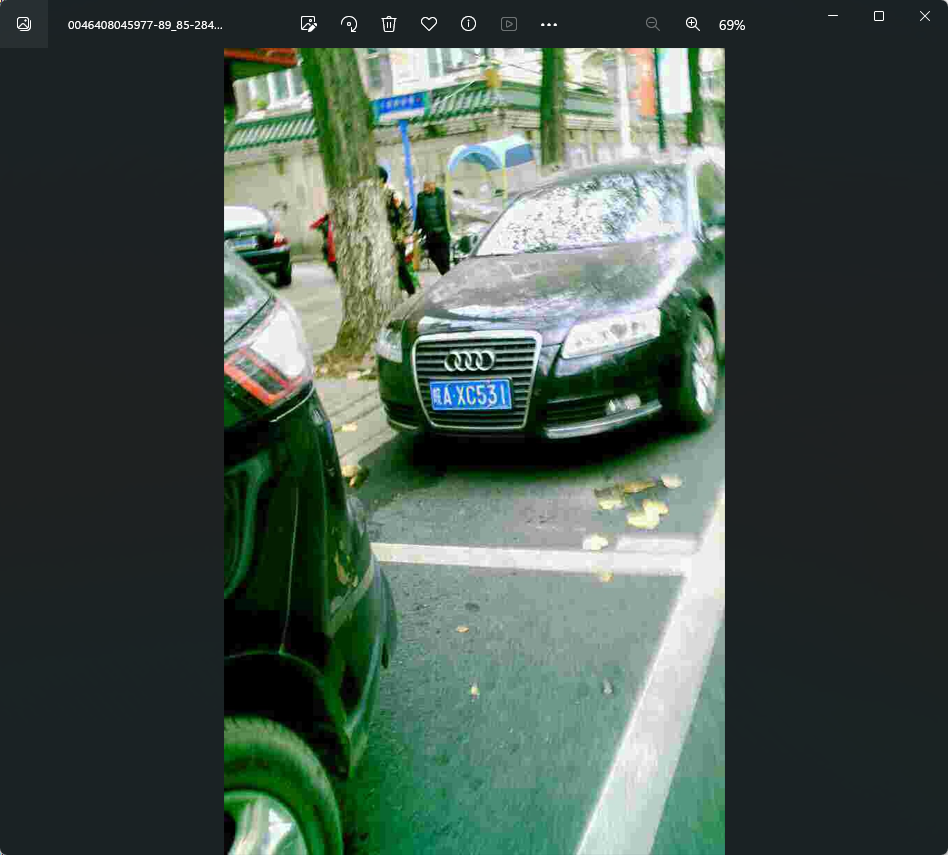
处理后为类别+左上角+右下角+4个角点

2.2.2 CRPD数据集处理
Unified Chinese License Plate Detection and Recognition with High Efficiency(Arxiv 2022)
这段话描述了标签文件夹中的txt文件的注释格式。每个txt文件的文件名与相应图像的名称相同。
在txt文件中,每一行表示图像中的一个车牌(LP)的注释。
一个LP的注释格式如下:x1,y1,x2,y2,x3,y3,x4,y4,type,content- 1
前八个数字表示边界四边形的坐标。
"type"注释表示LP的类型,0表示蓝色车牌,1表示黄色单线车牌,2表示黄色双线车牌,3表示白色车牌。
"content"注释表示LP的内容。2.3 检测算法
YOLOv5-Face是YOLOv5的一个改进版本,特别针对人脸检测任务。它添加了一个5-Point Landmark Regression Head(关键点回归),并对Landmark Regression Head使用了Wing loss进行约束。此外,YOLOv5-Face还设计了不同模型尺寸的检测器,从大模型到超小模型,以实现在嵌入式或移动设备上的实时检测。在WiderFace数据集上的实验结果表明,YOLOv5-Face在几乎所有的Easy、Medium和Hard子集上都能达到最先进的性能,超过了特定设计的人脸检测器。与许多其他的人脸检测器不同,YOLOv5-Face把人脸检测作为一个一般的目标检测任务来看待。
这里将yolov5-face 修改为四个关键点,做目标检测任务
2.3.1 数据配置car_plate.yaml
# PASCAL VOC dataset http://host.robots.ox.ac.uk/pascal/VOC/ # Train command: python train.py --data voc.yaml # Default dataset location is next to /yolov5: # /parent_folder # /VOC # /yolov5 # download command/URL (optional) download: bash data/scripts/get_voc.sh # train and val data as 1) directory: path/images/, 2) file: path/images.txt, or 3) list: [path1/images/, path2/images/] train: E:/data/train/images val: E:/data/val_detect/val # number of classes nc: 2 # class names names: [ 'single_plate','double_plate']- 1
- 2
- 3
- 4
- 5
- 6
- 7
- 8
- 9
- 10
- 11
- 12
- 13
- 14
- 15
- 16
- 17
- 18
- 19
- 20
2.3.2 模型配置
# parameters nc: 2 # number of classes depth_multiple: 1.0 # model depth multiple width_multiple: 0.5 # layer channel multiple # anchors anchors: - [4,5, 8,10, 13,16] # P3/8 - [23,29, 43,55, 73,105] # P4/16 - [146,217, 231,300, 335,433] # P5/32 # YOLOv5 backbone backbone: # [from, number, module, args] [[-1, 1, StemBlock, [32, 3, 2]], # 0-P2/4 [-1, 1, ShuffleV2Block, [128, 2]], # 1-P3/8 [-1, 3, ShuffleV2Block, [128, 1]], # 2 [-1, 1, ShuffleV2Block, [256, 2]], # 3-P4/16 [-1, 7, ShuffleV2Block, [256, 1]], # 4 [-1, 1, ShuffleV2Block, [512, 2]], # 5-P5/32 [-1, 3, ShuffleV2Block, [512, 1]], # 6 ] # YOLOv5 head head: [[-1, 1, Conv, [128, 1, 1]], [-1, 1, nn.Upsample, [None, 2, 'nearest']], [[-1, 4], 1, Concat, [1]], # cat backbone P4 [-1, 1, C3, [128, False]], # 10 [-1, 1, Conv, [128, 1, 1]], [-1, 1, nn.Upsample, [None, 2, 'nearest']], [[-1, 2], 1, Concat, [1]], # cat backbone P3 [-1, 1, C3, [128, False]], # 14 (P3/8-small) [-1, 1, Conv, [128, 3, 2]], [[-1, 11], 1, Concat, [1]], # cat head P4 [-1, 1, C3, [128, False]], # 17 (P4/16-medium) [-1, 1, Conv, [128, 3, 2]], [[-1, 7], 1, Concat, [1]], # cat head P5 [-1, 1, C3, [128, False]], # 20 (P5/32-large) [[14, 17, 20], 1, Detect, [nc, anchors]], # Detect(P3, P4, P5) ]- 1
- 2
- 3
- 4
- 5
- 6
- 7
- 8
- 9
- 10
- 11
- 12
- 13
- 14
- 15
- 16
- 17
- 18
- 19
- 20
- 21
- 22
- 23
- 24
- 25
- 26
- 27
- 28
- 29
- 30
- 31
- 32
- 33
- 34
- 35
- 36
- 37
- 38
- 39
- 40
- 41
- 42
- 43
- 44
- 45
- 46
- 47
2.3.3 train.py
parser = argparse.ArgumentParser() # 权重 parser.add_argument('--weights', type=str, default='best.pt', help='initial weights path') # 默认配置文件 parser.add_argument('--cfg', type=str, default='models/car_plate.yaml', help='model.yaml path') parser.add_argument('--data', type=str, default='data/car_plate.yaml', help='data.yaml path') parser.add_argument('--hyp', type=str, default='data/hyp.scratch.yaml', help='hyperparameters path') parser.add_argument('--epochs', type=int, default=10) parser.add_argument('--batch-size', type=int, default=64, help='total batch size for all GPUs') parser.add_argument('--img-size', nargs='+', type=int, default=[640, 640], help='[train, test] image sizes') parser.add_argument('--rect', action='store_true', help='rectangular training') parser.add_argument('--resume', nargs='?', const=True, default=False, help='resume most recent training') parser.add_argument('--nosave', action='store_true', help='only save final checkpoint') parser.add_argument('--notest', action='store_true', help='only test final epoch') parser.add_argument('--noautoanchor', action='store_true', help='disable autoanchor check') parser.add_argument('--evolve', action='store_true', help='evolve hyperparameters') parser.add_argument('--bucket', type=str, default='', help='gsutil bucket') parser.add_argument('--cache-images', action='store_true', help='cache images for faster training') parser.add_argument('--image-weights', action='store_true', help='use weighted image selection for training') parser.add_argument('--device', default='', help='cuda device, i.e. 0 or 0,1,2,3 or cpu') parser.add_argument('--multi-scale', action='store_true', default=True, help='vary img-size +/- 50%%') parser.add_argument('--single-cls', action='store_true', help='train multi-class data as single-class') parser.add_argument('--adam', action='store_true', help='use torch.optim.Adam() optimizer') parser.add_argument('--sync-bn', action='store_true', help='use SyncBatchNorm, only available in DDP mode') parser.add_argument('--local_rank', type=int, default=-1, help='DDP parameter, do not modify') parser.add_argument('--log-imgs', type=int, default=2, help='number of images for W&B logging, max 100') parser.add_argument('--log-artifacts', action='store_true', help='log artifacts, i.e. final trained model') parser.add_argument('--workers', type=int, default=4, help='maximum number of dataloader workers') parser.add_argument('--project', default='runs/train', help='save to project/name') parser.add_argument('--name', default='exp', help='save to project/name') parser.add_argument('--exist-ok', action='store_true', help='existing project/name ok, do not increment')- 1
- 2
- 3
- 4
- 5
- 6
- 7
- 8
- 9
- 10
- 11
- 12
- 13
- 14
- 15
- 16
- 17
- 18
- 19
- 20
- 21
- 22
- 23
- 24
- 25
- 26
- 27
- 28
- 29
- 30
- 31
- 32
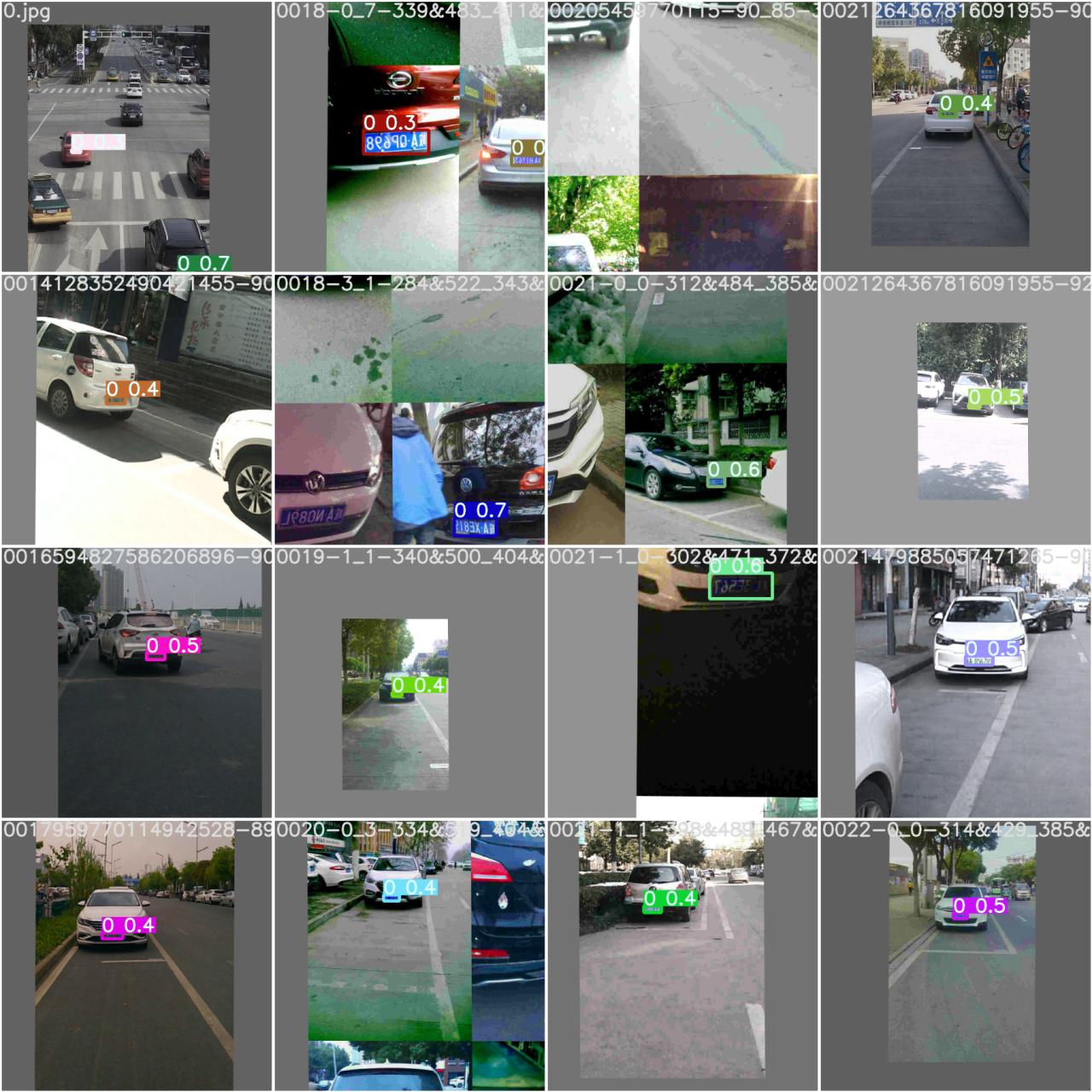
2.3.4 训练结果


2.4 部署
2.4.1 pth推理(detect.py)
#!/usr/bin/env python import warnings warnings.filterwarnings("ignore") import os import cv2 import numpy as np import time import torch import copy from models.experimental import attempt_load from utils.datasets import letterbox from utils.general import check_img_size, non_max_suppression_face, scale_coords from utils.torch_utils import time_synchronized clors = [(255, 0, 0), (0, 255, 0), (0, 0, 255), (255, 255, 0), (0, 255, 255)] def load_model(weights, device): model = attempt_load(weights, map_location=device) # load FP32 model return model def scale_coords_landmarks(img1_shape, coords, img0_shape, ratio_pad=None): # Rescale coords (xyxy) from img1_shape to img0_shape if ratio_pad is None: # calculate from img0_shape gain = min(img1_shape[0] / img0_shape[0], img1_shape[1] / img0_shape[1]) # gain = old / new pad = (img1_shape[1] - img0_shape[1] * gain) / 2, (img1_shape[0] - img0_shape[0] * gain) / 2 # wh padding else: gain = ratio_pad[0][0] pad = ratio_pad[1] coords[:, [0, 2, 4, 6]] -= pad[0] # x padding coords[:, [1, 3, 5, 7]] -= pad[1] # y padding coords[:, :10] /= gain # clip_coords(coords, img0_shape) coords[:, 0].clamp_(0, img0_shape[1]) # x1 coords[:, 1].clamp_(0, img0_shape[0]) # y1 coords[:, 2].clamp_(0, img0_shape[1]) # x2 coords[:, 3].clamp_(0, img0_shape[0]) # y2 coords[:, 4].clamp_(0, img0_shape[1]) # x3 coords[:, 5].clamp_(0, img0_shape[0]) # y3 coords[:, 6].clamp_(0, img0_shape[1]) # x4 coords[:, 7].clamp_(0, img0_shape[0]) # y4 # coords[:, 8].clamp_(0, img0_shape[1]) # x5 # coords[:, 9].clamp_(0, img0_shape[0]) # y5 return coords def get_plate_rec_landmark(img, xyxy, conf, landmarks, class_num, device): h, w, c = img.shape result_dict = {} tl = 1 or round(0.002 * (h + w) / 2) + 1 # line/font thickness x1 = int(xyxy[0]) y1 = int(xyxy[1]) x2 = int(xyxy[2]) y2 = int(xyxy[3]) landmarks_np = np.zeros((4, 2)) rect = [x1, y1, x2, y2] for i in range(4): point_x = int(landmarks[2 * i]) point_y = int(landmarks[2 * i + 1]) landmarks_np[i] = np.array([point_x, point_y]) class_label = int(class_num) # 车牌的的类型0代表单牌,1代表双层车牌 result_dict['box'] = rect result_dict['landmarks'] = landmarks_np.tolist() result_dict['class'] = class_label return result_dict class Detect: def __init__(self, conf_thres=0.6, iou_thres=0.5, img_size=640): self.conf_thres = conf_thres self.iou_thres = iou_thres self.img_size = img_size self.device = "cuda" if torch.cuda.is_available() else "cpu" self.detect_model = load_model("weights/best.pt", self.device) def detect(self, orgimg): dict_list = [] if orgimg is None: return [] if orgimg.shape[-1] == 4: orgimg = cv2.cvtColor(orgimg, cv2.COLOR_BGRA2BGR) h0, w0 = orgimg.shape[:2] # orig hw img0 = copy.deepcopy(orgimg) r = self.img_size / max(h0, w0) # resize image to img_size if r != 1: # always resize down, only resize up if training with augmentation interp = cv2.INTER_AREA if r < 1 else cv2.INTER_LINEAR img0 = cv2.resize(img0, (int(w0 * r), int(h0 * r)), interpolation=interp) imgsz = check_img_size(self.img_size, s=self.detect_model.stride.max()) # check img_size img = letterbox(img0, new_shape=imgsz,auto=False)[0] # Convert img = img[:, :, ::-1].transpose(2, 0, 1).copy() # BGR to RGB, to 3x416x416 # Run inference t0 = time.time() img = torch.from_numpy(img).to(self.device) img = img.float() # uint8 to fp16/32 img /= 255.0 # 0 - 255 to 0.0 - 1.0 if img.ndimension() == 3: img = img.unsqueeze(0) # Inference t1 = time_synchronized() pred = self.detect_model(img)[0] print(pred.shape) t2 = time_synchronized() print(f"infer time is {(t2-t1)*1000} ms") # Apply NMS pred = non_max_suppression_face(pred, self.conf_thres, self.iou_thres) # print(pred.shape) # Process detections for i, det in enumerate(pred): # detections per image if len(det): # Rescale boxes from img_size to im0 size det[:, :4] = scale_coords(img.shape[2:], det[:, :4], orgimg.shape).round() # Print results for c in det[:, -1].unique(): n = (det[:, -1] == c).sum() # detections per class det[:, 5:13] = scale_coords_landmarks(img.shape[2:], det[:, 5:13], orgimg.shape).round() for j in range(det.size()[0]): xyxy = det[j, :4].view(-1).tolist() conf = det[j, 4].cpu().numpy() landmarks = det[j, 5:13].view(-1).tolist() class_num = det[j, 13].cpu().numpy() result_dict = get_plate_rec_landmark(orgimg, xyxy, conf, landmarks, class_num, self.device) dict_list.append(result_dict) return dict_list def draw_result(self, orgimg, dict_list): ''' 返回绘制之后的原图 ''' for result in dict_list: rect_area = result['box'] x, y, w, h = rect_area[0], rect_area[1], rect_area[2] - rect_area[0], rect_area[3] - rect_area[1] padding_w = 0.05 * w padding_h = 0.11 * h rect_area[0] = max(0, int(x - padding_w)) rect_area[1] = max(0, int(y - padding_h)) rect_area[2] = min(orgimg.shape[1], int(rect_area[2] + padding_w)) rect_area[3] = min(orgimg.shape[0], int(rect_area[3] + padding_h)) landmarks = result['landmarks'] label = result['class'] # result_str+=result+" " for i in range(4): # 关键点 cv2.circle(orgimg, (int(landmarks[i][0]), int(landmarks[i][1])), 5, clors[i], -1) cv2.rectangle(orgimg, (rect_area[0], rect_area[1]), (rect_area[2], rect_area[3]), clors[label], 2) # 画框 cv2.putText(img, str(label), (rect_area[0], rect_area[1]), cv2.FONT_HERSHEY_SIMPLEX, 0.5, clors[label], 2) return orgimg if __name__ == '__main__': det = Detect() img_dir = "images" save_dir = "result" if not os.path.exists(save_dir): os.makedirs(save_dir) for file in os.listdir(img_dir): img_path = os.path.join(img_dir,file) img = cv2.imdecode(np.fromfile(img_path, dtype=np.uint8), -1) dict_list = det.detect(img) # print(dict_list) result_img = det.draw_result(img, dict_list) save_dir_path = os.path.join(save_dir,file) cv2.imwrite(save_dir_path,result_img)- 1
- 2
- 3
- 4
- 5
- 6
- 7
- 8
- 9
- 10
- 11
- 12
- 13
- 14
- 15
- 16
- 17
- 18
- 19
- 20
- 21
- 22
- 23
- 24
- 25
- 26
- 27
- 28
- 29
- 30
- 31
- 32
- 33
- 34
- 35
- 36
- 37
- 38
- 39
- 40
- 41
- 42
- 43
- 44
- 45
- 46
- 47
- 48
- 49
- 50
- 51
- 52
- 53
- 54
- 55
- 56
- 57
- 58
- 59
- 60
- 61
- 62
- 63
- 64
- 65
- 66
- 67
- 68
- 69
- 70
- 71
- 72
- 73
- 74
- 75
- 76
- 77
- 78
- 79
- 80
- 81
- 82
- 83
- 84
- 85
- 86
- 87
- 88
- 89
- 90
- 91
- 92
- 93
- 94
- 95
- 96
- 97
- 98
- 99
- 100
- 101
- 102
- 103
- 104
- 105
- 106
- 107
- 108
- 109
- 110
- 111
- 112
- 113
- 114
- 115
- 116
- 117
- 118
- 119
- 120
- 121
- 122
- 123
- 124
- 125
- 126
- 127
- 128
- 129
- 130
- 131
- 132
- 133
- 134
- 135
- 136
- 137
- 138
- 139
- 140
- 141
- 142
- 143
- 144
- 145
- 146
- 147
- 148
- 149
- 150
- 151
- 152
- 153
- 154
- 155
2.4.2 onnx推理
import argparse import time, os import torch from detect import scale_coords_landmarks, get_plate_rec_landmark from torch2trt.trt_model import TrtModel from utils.general import non_max_suppression_face, scale_coords, check_img_size import cv2 import copy from utils.torch_utils import time_synchronized import numpy as np clors = [(255, 0, 0), (0, 255, 0), (0, 0, 255), (255, 255, 0), (0, 255, 255)] def letterbox(img, size=(640, 640)): h, w, c = img.shape # 缩放因子 ratio = min(size[0] / h, size[1] / w) new_h, new_w = int(h * ratio), int(w * ratio) top = int((size[0] - new_h) / 2) left = int((size[1] - new_w) / 2) bottom = size[0] - new_h - top right = size[1] - new_w - left img_resize = cv2.resize(img, (new_w, new_h)) img = cv2.copyMakeBorder(img_resize, top, bottom, left, right, borderType=cv2.BORDER_CONSTANT, value=(114, 114, 114)) return img, ratio, left, top def nms(boxes, iou_thresh): # numpy nms index = np.argsort(boxes[:, 4])[::-1] keep = [] while index.size > 0: i = index[0] keep.append(i) x1 = np.maximum(boxes[i, 0], boxes[index[1:], 0]) y1 = np.maximum(boxes[i, 1], boxes[index[1:], 1]) x2 = np.minimum(boxes[i, 2], boxes[index[1:], 2]) y2 = np.minimum(boxes[i, 3], boxes[index[1:], 3]) w = np.maximum(0, x2 - x1) h = np.maximum(0, y2 - y1) inter_area = w * h union_area = (boxes[i, 2] - boxes[i, 0]) * (boxes[i, 3] - boxes[i, 1]) + ( boxes[index[1:], 2] - boxes[index[1:], 0]) * (boxes[index[1:], 3] - boxes[index[1:], 1]) iou = inter_area / (union_area - inter_area) idx = np.where(iou <= iou_thresh)[0] index = index[idx + 1] return keep def restore_box(boxes, r, left, top): # 返回原图上面的坐标 boxes[:, [0, 2, 5, 7, 9, 11]] -= left boxes[:, [1, 3, 6, 8, 10, 12]] -= top boxes[:, [0, 2, 5, 7, 9, 11]] /= r boxes[:, [1, 3, 6, 8, 10, 12]] /= r return boxes def post_precessing(dets, ratio, left, top, conf_thresh=0.3, iou_thresh=0.5): # 检测后处理 # 选取大于置信度的 choice = dets[:, :, 4] > conf_thresh dets = dets[choice] dets[:, 13:15] *= dets[:, 4:5] box = dets[:, :4] boxes = xywh2xyxy(box) score = np.max(dets[:, 13:15], axis=-1, keepdims=True) index = np.argmax(dets[:, 13:15], axis=-1).reshape(-1, 1) output = np.concatenate((boxes, score, dets[:, 5:13], index), axis=1) reserve_ = nms(output, iou_thresh) output = output[reserve_] output = restore_box(output, ratio, left, top) return output def xywh2xyxy(boxes): # xywh坐标变为 左上 ,右下坐标 x1,y1 x2,y2 xywh = copy.deepcopy(boxes) xywh[:, 0] = boxes[:, 0] - boxes[:, 2] / 2 xywh[:, 1] = boxes[:, 1] - boxes[:, 3] / 2 xywh[:, 2] = boxes[:, 0] + boxes[:, 2] / 2 xywh[:, 3] = boxes[:, 1] + boxes[:, 3] / 2 return xywh class Detect: def __init__(self, conf_thres=0.6, iou_thres=0.5, img_size=640, trt_path="weights/best.trt"): self.conf_thres = conf_thres self.iou_thres = iou_thres self.img_size = img_size self.device = "cuda" if torch.cuda.is_available() else "cpu" self.detect_model = TrtModel(trt_path) def detect_processing(self, img, img_size=(640, 640)): img, ratio, left, top = letterbox(img, size=img_size) img = img[:, :, ::-1].transpose(2, 0, 1).copy().astype(np.float32) img = img / 255 img = img.reshape(1, *img.shape) return img, ratio, left, top def detect(self, orgimg): dict_list = [] if orgimg is None: return [] if orgimg.shape[-1] == 4: orgimg = cv2.cvtColor(orgimg, cv2.COLOR_BGRA2BGR) h0, w0 = orgimg.shape[:2] # orig hw img0 = copy.deepcopy(orgimg) # imgsz = check_img_size(self.img_size, s=32) # check img_size img, ratio, left, top = self.detect_processing(img0) if img.ndim == 3: img = img[None, ...] # Inference t1 = time_synchronized() pred = self.detect_model(img).reshape([1, 25200, 15]) output = post_precessing(pred, ratio, left, top, conf_thresh=self.conf_thres, iou_thresh=self.iou_thres) for output in output: result_dict = {} rect = output[:4].astype(int).tolist() land_marks = output[5:13].astype(int).reshape(4, 2) conf = output[4].astype(int).tolist() result_dict['box'] = rect result_dict['class'] = conf result_dict['landmarks'] = land_marks.tolist() dict_list.append(result_dict) return dict_list def draw_result(self, orgimg, dict_list): ''' 返回绘制之后的原图 ''' for result in dict_list: rect_area = result['box'] x, y, w, h = rect_area[0], rect_area[1], rect_area[2] - rect_area[0], rect_area[3] - rect_area[1] padding_w = 0.05 * w padding_h = 0.11 * h rect_area[0] = max(0, int(x - padding_w)) rect_area[1] = max(0, int(y - padding_h)) rect_area[2] = min(orgimg.shape[1], int(rect_area[2] + padding_w)) rect_area[3] = min(orgimg.shape[0], int(rect_area[3] + padding_h)) landmarks = result['landmarks'] label = result['class'] # result_str+=result+" " for i in range(4): # 关键点 cv2.circle(orgimg, (int(landmarks[i][0]), int(landmarks[i][1])), 5, clors[i], -1) cv2.rectangle(orgimg, (rect_area[0], rect_area[1]), (rect_area[2], rect_area[3]), clors[label], 2) # 画框 cv2.putText(img, str(label), (rect_area[0], rect_area[1]), cv2.FONT_HERSHEY_SIMPLEX, 0.5, clors[label], 2) return orgimg def __del__(self): self.detect_model.destroy() if __name__ == '__main__': # ============可视化================ # img_vis(img, orgimg, pred) det = Detect() img_dir = "images" save_dir = "result" if not os.path.exists(save_dir): os.makedirs(save_dir) for file in os.listdir(img_dir): img_path = os.path.join(img_dir, file) img = cv2.imdecode(np.fromfile(img_path, dtype=np.uint8), -1) dict_list = det.detect(img) print(dict_list) result_img = det.draw_result(img, dict_list) save_dir_path = os.path.join(save_dir, file) cv2.imwrite(save_dir_path, result_img)- 1
- 2
- 3
- 4
- 5
- 6
- 7
- 8
- 9
- 10
- 11
- 12
- 13
- 14
- 15
- 16
- 17
- 18
- 19
- 20
- 21
- 22
- 23
- 24
- 25
- 26
- 27
- 28
- 29
- 30
- 31
- 32
- 33
- 34
- 35
- 36
- 37
- 38
- 39
- 40
- 41
- 42
- 43
- 44
- 45
- 46
- 47
- 48
- 49
- 50
- 51
- 52
- 53
- 54
- 55
- 56
- 57
- 58
- 59
- 60
- 61
- 62
- 63
- 64
- 65
- 66
- 67
- 68
- 69
- 70
- 71
- 72
- 73
- 74
- 75
- 76
- 77
- 78
- 79
- 80
- 81
- 82
- 83
- 84
- 85
- 86
- 87
- 88
- 89
- 90
- 91
- 92
- 93
- 94
- 95
- 96
- 97
- 98
- 99
- 100
- 101
- 102
- 103
- 104
- 105
- 106
- 107
- 108
- 109
- 110
- 111
- 112
- 113
- 114
- 115
- 116
- 117
- 118
- 119
- 120
- 121
- 122
- 123
- 124
- 125
- 126
- 127
- 128
- 129
- 130
- 131
- 132
- 133
- 134
- 135
- 136
- 137
- 138
- 139
- 140
- 141
- 142
- 143
- 144
- 145
- 146
- 147
- 148
- 149
- 150
- 151
- 152
- 153
- 154
- 155
- 156
- 157
- 158
- 159
- 160
- 161
- 162
- 163
- 164
- 165
- 166
- 167
- 168
2.4.3 trt推理
import argparse import time,os import torch from detect import scale_coords_landmarks, get_plate_rec_landmark from torch2trt.trt_model import TrtModel from utils.datasets import letterbox from utils.general import non_max_suppression_face, scale_coords, check_img_size import cv2 import copy from utils.torch_utils import time_synchronized import numpy as np clors = [(255, 0, 0), (0, 255, 0), (0, 0, 255), (255, 255, 0), (0, 255, 255)] def img_process(img_path,long_side=640,stride_max=32): ''' 图像预处理 ''' orgimg=cv2.imread(img_path) img0 = copy.deepcopy(orgimg) h0, w0 = orgimg.shape[:2] # orig hw r = long_side/ max(h0, w0) # resize image to img_size if r != 1: # always resize down, only resize up if training with augmentation interp = cv2.INTER_AREA if r < 1 else cv2.INTER_LINEAR img0 = cv2.resize(img0, (int(w0 * r), int(h0 * r)), interpolation=interp) imgsz = check_img_size(long_side, s=stride_max) # check img_size img = letterbox(img0, new_shape=imgsz,auto=False)[0] # auto True最小矩形 False固定尺度 # Convert img = img[:, :, ::-1].transpose(2, 0, 1).copy() # BGR to RGB, to 3x416x416 img = torch.from_numpy(img) img = img.float() # uint8 to fp16/32 img /= 255.0 # 0 - 255 to 0.0 - 1.0 if img.ndimension() == 3: img = img.unsqueeze(0) return img,orgimg class Detect: def __init__(self, conf_thres=0.6, iou_thres=0.5, img_size=640,trt_path="weights/best.trt"): self.conf_thres = conf_thres self.iou_thres = iou_thres self.img_size = img_size self.device = "cuda" if torch.cuda.is_available() else "cpu" self.detect_model = TrtModel(trt_path) def detect(self, orgimg): dict_list = [] if orgimg is None: return [] if orgimg.shape[-1] == 4: orgimg = cv2.cvtColor(orgimg, cv2.COLOR_BGRA2BGR) h0, w0 = orgimg.shape[:2] # orig hw img0 = copy.deepcopy(orgimg) r = self.img_size / max(h0, w0) # resize image to img_size if r != 1: # always resize down, only resize up if training with augmentation interp = cv2.INTER_AREA if r < 1 else cv2.INTER_LINEAR img0 = cv2.resize(img0, (int(w0 * r), int(h0 * r)), interpolation=interp) imgsz = check_img_size(self.img_size, s=32) # check img_size img = letterbox(img0, new_shape=imgsz,auto=False)[0] # Convert img = img[:, :, ::-1].transpose(2, 0, 1).copy() # BGR to RGB, to 3x416x416 # Run inference t0 = time.time() # img = torch.from_numpy(img).to(self.device) img = img.astype(float) # uint8 to fp16/32 img /= 255.0 # 0 - 255 to 0.0 - 1.0 if img.ndim == 3: img = img[None,...] # Inference t1 = time_synchronized() pred = self.detect_model(img).reshape([1, 25200, 15]) t2 = time_synchronized() print(f"infer time is {(t2-t1)*1000} ms") # Apply NMS # pred = torch.tensor(pred) pred = non_max_suppression_face(torch.tensor(pred), self.conf_thres, self.iou_thres) # print(type(pred)) # Process detections for i, det in enumerate(pred): # detections per image if len(det): # Rescale boxes from img_size to im0 size # print(type(det)) det[:, :4] = scale_coords(img.shape[2:], det[:, :4], orgimg.shape).round() # Print results for c in det[:, -1].unique(): n = (det[:, -1] == c).sum() # detections per class det[:, 5:13] = scale_coords_landmarks(img.shape[2:], det[:, 5:13], orgimg.shape).round() for j in range(det.size()[0]): xyxy = det[j, :4].view(-1).tolist() conf = det[j, 4].cpu().numpy() landmarks = det[j, 5:13].view(-1).tolist() class_num = det[j, 13].cpu().numpy() result_dict = get_plate_rec_landmark(orgimg, xyxy, conf, landmarks, class_num, self.device) dict_list.append(result_dict) return dict_list def draw_result(self, orgimg, dict_list): ''' 返回绘制之后的原图 ''' for result in dict_list: rect_area = result['box'] x, y, w, h = rect_area[0], rect_area[1], rect_area[2] - rect_area[0], rect_area[3] - rect_area[1] padding_w = 0.05 * w padding_h = 0.11 * h rect_area[0] = max(0, int(x - padding_w)) rect_area[1] = max(0, int(y - padding_h)) rect_area[2] = min(orgimg.shape[1], int(rect_area[2] + padding_w)) rect_area[3] = min(orgimg.shape[0], int(rect_area[3] + padding_h)) landmarks = result['landmarks'] label = result['class'] # result_str+=result+" " for i in range(4): # 关键点 cv2.circle(orgimg, (int(landmarks[i][0]), int(landmarks[i][1])), 5, clors[i], -1) cv2.rectangle(orgimg, (rect_area[0], rect_area[1]), (rect_area[2], rect_area[3]), clors[label], 2) # 画框 cv2.putText(img, str(label), (rect_area[0], rect_area[1]), cv2.FONT_HERSHEY_SIMPLEX, 0.5, clors[label], 2) return orgimg def __del__(self): self.detect_model.destroy() if __name__ == '__main__': # ============可视化================ # img_vis(img, orgimg, pred) det = Detect() img_dir = "images" save_dir = "result" if not os.path.exists(save_dir): os.makedirs(save_dir) for file in os.listdir(img_dir): img_path = os.path.join(img_dir, file) img = cv2.imdecode(np.fromfile(img_path, dtype=np.uint8), -1) dict_list = det.detect(img) print(dict_list) result_img = det.draw_result(img, dict_list) save_dir_path = os.path.join(save_dir, file) cv2.imwrite(save_dir_path, result_img)- 1
- 2
- 3
- 4
- 5
- 6
- 7
- 8
- 9
- 10
- 11
- 12
- 13
- 14
- 15
- 16
- 17
- 18
- 19
- 20
- 21
- 22
- 23
- 24
- 25
- 26
- 27
- 28
- 29
- 30
- 31
- 32
- 33
- 34
- 35
- 36
- 37
- 38
- 39
- 40
- 41
- 42
- 43
- 44
- 45
- 46
- 47
- 48
- 49
- 50
- 51
- 52
- 53
- 54
- 55
- 56
- 57
- 58
- 59
- 60
- 61
- 62
- 63
- 64
- 65
- 66
- 67
- 68
- 69
- 70
- 71
- 72
- 73
- 74
- 75
- 76
- 77
- 78
- 79
- 80
- 81
- 82
- 83
- 84
- 85
- 86
- 87
- 88
- 89
- 90
- 91
- 92
- 93
- 94
- 95
- 96
- 97
- 98
- 99
- 100
- 101
- 102
- 103
- 104
- 105
- 106
- 107
- 108
- 109
- 110
- 111
- 112
- 113
- 114
- 115
- 116
- 117
- 118
- 119
- 120
- 121
- 122
- 123
- 124
- 125
- 126
- 127
- 128
- 129
- 130
- 131
- 132
- 133
- 134
- 135
- 136
2.4.4 numpy版本trt推理
import argparse import time, os import torch from detect import scale_coords_landmarks, get_plate_rec_landmark from torch2trt.trt_model import TrtModel from utils.general import non_max_suppression_face, scale_coords, check_img_size import cv2 import copy from utils.torch_utils import time_synchronized import numpy as np clors = [(255, 0, 0), (0, 255, 0), (0, 0, 255), (255, 255, 0), (0, 255, 255)] def letterbox(img, size=(640, 640)): h, w, c = img.shape # 缩放因子 ratio = min(size[0] / h, size[1] / w) new_h, new_w = int(h * ratio), int(w * ratio) top = int((size[0] - new_h) / 2) left = int((size[1] - new_w) / 2) bottom = size[0] - new_h - top right = size[1] - new_w - left img_resize = cv2.resize(img, (new_w, new_h)) img = cv2.copyMakeBorder(img_resize, top, bottom, left, right, borderType=cv2.BORDER_CONSTANT, value=(114, 114, 114)) return img, ratio, left, top def nms(boxes, iou_thresh): # numpy nms index = np.argsort(boxes[:, 4])[::-1] keep = [] while index.size > 0: i = index[0] keep.append(i) x1 = np.maximum(boxes[i, 0], boxes[index[1:], 0]) y1 = np.maximum(boxes[i, 1], boxes[index[1:], 1]) x2 = np.minimum(boxes[i, 2], boxes[index[1:], 2]) y2 = np.minimum(boxes[i, 3], boxes[index[1:], 3]) w = np.maximum(0, x2 - x1) h = np.maximum(0, y2 - y1) inter_area = w * h union_area = (boxes[i, 2] - boxes[i, 0]) * (boxes[i, 3] - boxes[i, 1]) + ( boxes[index[1:], 2] - boxes[index[1:], 0]) * (boxes[index[1:], 3] - boxes[index[1:], 1]) iou = inter_area / (union_area - inter_area) idx = np.where(iou <= iou_thresh)[0] index = index[idx + 1] return keep def restore_box(boxes, r, left, top): # 返回原图上面的坐标 boxes[:, [0, 2, 5, 7, 9, 11]] -= left boxes[:, [1, 3, 6, 8, 10, 12]] -= top boxes[:, [0, 2, 5, 7, 9, 11]] /= r boxes[:, [1, 3, 6, 8, 10, 12]] /= r return boxes def post_precessing(dets, ratio, left, top, conf_thresh=0.3, iou_thresh=0.5): # 检测后处理 # 选取大于置信度的 choice = dets[:, :, 4] > conf_thresh dets = dets[choice] dets[:, 13:15] *= dets[:, 4:5] box = dets[:, :4] boxes = xywh2xyxy(box) score = np.max(dets[:, 13:15], axis=-1, keepdims=True) index = np.argmax(dets[:, 13:15], axis=-1).reshape(-1, 1) output = np.concatenate((boxes, score, dets[:, 5:13], index), axis=1) reserve_ = nms(output, iou_thresh) output = output[reserve_] output = restore_box(output, ratio, left, top) return output def xywh2xyxy(boxes): # xywh坐标变为 左上 ,右下坐标 x1,y1 x2,y2 xywh = copy.deepcopy(boxes) xywh[:, 0] = boxes[:, 0] - boxes[:, 2] / 2 xywh[:, 1] = boxes[:, 1] - boxes[:, 3] / 2 xywh[:, 2] = boxes[:, 0] + boxes[:, 2] / 2 xywh[:, 3] = boxes[:, 1] + boxes[:, 3] / 2 return xywh class Detect: def __init__(self, conf_thres=0.6, iou_thres=0.5, img_size=640, trt_path="weights/best.trt"): self.conf_thres = conf_thres self.iou_thres = iou_thres self.img_size = img_size self.device = "cuda" if torch.cuda.is_available() else "cpu" self.detect_model = TrtModel(trt_path) def detect_processing(self, img, img_size=(640, 640)): img, ratio, left, top = letterbox(img, size=img_size) img = img[:, :, ::-1].transpose(2, 0, 1).copy().astype(np.float32) img = img / 255 img = img.reshape(1, *img.shape) return img, ratio, left, top def detect(self, orgimg): dict_list = [] if orgimg is None: return [] if orgimg.shape[-1] == 4: orgimg = cv2.cvtColor(orgimg, cv2.COLOR_BGRA2BGR) h0, w0 = orgimg.shape[:2] # orig hw img0 = copy.deepcopy(orgimg) # imgsz = check_img_size(self.img_size, s=32) # check img_size img, ratio, left, top = self.detect_processing(img0) if img.ndim == 3: img = img[None, ...] # Inference t1 = time_synchronized() pred = self.detect_model(img).reshape([1, 25200, 15]) output = post_precessing(pred, ratio, left, top, conf_thresh=self.conf_thres, iou_thresh=self.iou_thres) for output in output: result_dict = {} rect = output[:4].astype(int).tolist() land_marks = output[5:13].astype(int).reshape(4, 2) conf = output[4].astype(int).tolist() result_dict['box'] = rect result_dict['class'] = conf result_dict['landmarks'] = land_marks.tolist() dict_list.append(result_dict) return dict_list def draw_result(self, orgimg, dict_list): ''' 返回绘制之后的原图 ''' for result in dict_list: rect_area = result['box'] x, y, w, h = rect_area[0], rect_area[1], rect_area[2] - rect_area[0], rect_area[3] - rect_area[1] padding_w = 0.05 * w padding_h = 0.11 * h rect_area[0] = max(0, int(x - padding_w)) rect_area[1] = max(0, int(y - padding_h)) rect_area[2] = min(orgimg.shape[1], int(rect_area[2] + padding_w)) rect_area[3] = min(orgimg.shape[0], int(rect_area[3] + padding_h)) landmarks = result['landmarks'] label = result['class'] # result_str+=result+" " for i in range(4): # 关键点 cv2.circle(orgimg, (int(landmarks[i][0]), int(landmarks[i][1])), 5, clors[i], -1) cv2.rectangle(orgimg, (rect_area[0], rect_area[1]), (rect_area[2], rect_area[3]), clors[label], 2) # 画框 cv2.putText(img, str(label), (rect_area[0], rect_area[1]), cv2.FONT_HERSHEY_SIMPLEX, 0.5, clors[label], 2) return orgimg def __del__(self): self.detect_model.destroy() if __name__ == '__main__': # ============可视化================ # img_vis(img, orgimg, pred) det = Detect() img_dir = "images" save_dir = "result" if not os.path.exists(save_dir): os.makedirs(save_dir) for file in os.listdir(img_dir): img_path = os.path.join(img_dir, file) img = cv2.imdecode(np.fromfile(img_path, dtype=np.uint8), -1) dict_list = det.detect(img) print(dict_list) result_img = det.draw_result(img, dict_list) save_dir_path = os.path.join(save_dir, file) cv2.imwrite(save_dir_path, result_img)- 1
- 2
- 3
- 4
- 5
- 6
- 7
- 8
- 9
- 10
- 11
- 12
- 13
- 14
- 15
- 16
- 17
- 18
- 19
- 20
- 21
- 22
- 23
- 24
- 25
- 26
- 27
- 28
- 29
- 30
- 31
- 32
- 33
- 34
- 35
- 36
- 37
- 38
- 39
- 40
- 41
- 42
- 43
- 44
- 45
- 46
- 47
- 48
- 49
- 50
- 51
- 52
- 53
- 54
- 55
- 56
- 57
- 58
- 59
- 60
- 61
- 62
- 63
- 64
- 65
- 66
- 67
- 68
- 69
- 70
- 71
- 72
- 73
- 74
- 75
- 76
- 77
- 78
- 79
- 80
- 81
- 82
- 83
- 84
- 85
- 86
- 87
- 88
- 89
- 90
- 91
- 92
- 93
- 94
- 95
- 96
- 97
- 98
- 99
- 100
- 101
- 102
- 103
- 104
- 105
- 106
- 107
- 108
- 109
- 110
- 111
- 112
- 113
- 114
- 115
- 116
- 117
- 118
- 119
- 120
- 121
- 122
- 123
- 124
- 125
- 126
- 127
- 128
- 129
- 130
- 131
- 132
- 133
- 134
- 135
- 136
- 137
- 138
- 139
- 140
- 141
- 142
- 143
- 144
- 145
- 146
- 147
- 148
- 149
- 150
- 151
- 152
- 153
- 154
- 155
- 156
- 157
- 158
- 159
- 160
- 161
- 162
- 163
- 164
- 165
2.4.5 推理结果展示


参考开源
-
相关阅读:
数据结构:静动图结合,活灵活现 讲解—— 堆排序, 直接选择排序
如何使用Vite创建vue项目中配置别名和扩展名
SpringMVC
VUE前端判断是电脑端还是移动端
电脑桌面图标不见了?三招教你轻松找回
C# Winform编程(9)网络编程
【安装SSH服务】ubuntu安装ssh以及开启root用户ssh登录
【Vue】水果购物车-基本渲染
迈瑞医疗,用科技创新解构医疗器械全球法则
伸展树(一) - 概念和C实现
- 原文地址:https://blog.csdn.net/weixin_42917352/article/details/134193753
