-
【业务功能篇92】微服务-springcloud-多线程-异步处理-异步编排-CompletableFutrue
三、CompletableFutrue
一个商品详情页
- 展示SKU的基本信息 0.5s
- 展示SKU的图片信息 0.6s
- 展示SKU的销售信息 1s
- spu的销售属性 1s
- 展示规格参数 1.5s
- spu详情信息 1s
1.ComplatableFuture介绍
Future是Java 5添加的类,用来描述一个异步计算的结果。你可以使用
isDone方法检查计算是否完成,或者使用get阻塞住调用线程,直到计算完成返回结果,你也可以使用cancel方法停止任务的执行。虽然
Future以及相关使用方法提供了异步执行任务的能力,但是对于结果的获取却是很不方便,只能通过阻塞或者轮询的方式得到任务的结果。阻塞的方式显然和我们的异步编程的初衷相违背,轮询的方式又会耗费无谓的CPU资源,而且也不能及时地得到计算结果,为什么不能用观察者设计模式当计算结果完成及时通知监听者呢?很多语言,比如Node.js,采用回调的方式实现异步编程。Java的一些框架,比如Netty,自己扩展了Java的
Future接口,提供了addListener等多个扩展方法;Google guava也提供了通用的扩展Future;Scala也提供了简单易用且功能强大的Future/Promise异步编程模式。作为正统的Java类库,是不是应该做点什么,加强一下自身库的功能呢?
在Java 8中, 新增加了一个包含50个方法左右的类: CompletableFuture,提供了非常强大的Future的扩展功能,可以帮助我们简化异步编程的复杂性,提供了函数式编程的能力,可以通过回调的方式处理计算结果,并且提供了转换和组合CompletableFuture的方法。
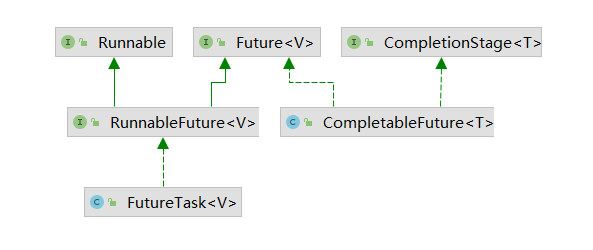
CompletableFuture类实现了Future接口,所以你还是可以像以前一样通过
get方法阻塞或者轮询的方式获得结果,但是这种方式不推荐使用。CompletableFuture和FutureTask同属于Future接口的实现类,都可以获取线程的执行结果。
2.创建异步对象
CompletableFuture 提供了四个静态方法来创建一个异步操作。
static CompletableFuture<Void> runAsync(Runnable runnable) public static CompletableFuture<Void> runAsync(Runnable runnable, Executor executor) public static <U> CompletableFuture<U> supplyAsync(Supplier<U> supplier) public static <U> CompletableFuture<U> supplyAsync(Supplier<U> supplier, Executor executor)- 1
- 2
- 3
- 4
方法分为两类:
- runAsync 没有返回结果
- supplyAsync 有返回结果
private static ThreadPoolExecutor executor = new ThreadPoolExecutor(5 ,50 ,10 , TimeUnit.SECONDS ,new LinkedBlockingQueue<>(100) , Executors.defaultThreadFactory() ,new ThreadPoolExecutor.AbortPolicy() ); public static void main(String[] args) throws ExecutionException, InterruptedException { System.out.println("main -- 线程开始了..."); // 获取CompletableFuture对象 CompletableFuture<Void> voidCompletableFuture = CompletableFuture.runAsync(() -> { System.out.println("线程开始了..."); int i = 100/50; System.out.println("线程结束了..."); },executor); System.out.println("main -- 线程结束了..."); System.out.println("------------"); CompletableFuture<Integer> future = CompletableFuture.supplyAsync(() -> { System.out.println("线程开始了..."); int i = 100 / 50; System.out.println("线程结束了..."); return i; }, executor); System.out.println("获取的线程的返回结果是:" + future.get() ); }- 1
- 2
- 3
- 4
- 5
- 6
- 7
- 8
- 9
- 10
- 11
- 12
- 13
- 14
- 15
- 16
- 17
- 18
- 19
- 20
- 21
- 22
- 23
- 24
- 25
- 26
- 27
- 28
- 29
3.whenXXX和handle方法
当CompletableFuture的计算结果完成,或者抛出异常的时候,可以执行特定的Action。主要是下面的方法:
public CompletableFuturewhenComplete(BiConsumer action); public CompletableFuture whenCompleteAsync(BiConsumer action); public CompletableFuture whenCompleteAsync(BiConsumer action, Executor executor); public CompletableFuture exceptionally(Function - 1
- 2
- 3
- 4
- 5
- 6
- 7
- 8
- 9
相关方法的说明:
- whenComplete 可以获取异步任务的返回值和抛出的异常信息,但是不能修改返回结果
- execptionlly 当异步任务跑出了异常后会触发的方法,如果没有抛出异常该方法不会执行
- handle 可以获取异步任务的返回值和抛出的异常信息,而且可以显示的修改返回的结果
/** * CompletableFuture的介绍 */ public class CompletableFutureDemo2 { private static ThreadPoolExecutor executor = new ThreadPoolExecutor(5 ,50 ,10 , TimeUnit.SECONDS ,new LinkedBlockingQueue<>(100) , Executors.defaultThreadFactory() ,new ThreadPoolExecutor.AbortPolicy() ); public static void main(String[] args) throws ExecutionException, InterruptedException { CompletableFuture<Integer> future = CompletableFuture.supplyAsync(() -> { System.out.println("线程开始了..."); int i = 100 / 5; System.out.println("线程结束了..."); return i; }, executor).handle((res,exec)->{ System.out.println("res = " + res + ":exec="+exec); return res * 10; }); // 可以处理异步任务之后的操作 System.out.println("获取的线程的返回结果是:" + future.get() ); } /* public static void main(String[] args) throws ExecutionException, InterruptedException { CompletableFuturefuture = CompletableFuture.supplyAsync(() -> { System.out.println("线程开始了..."); int i = 100 / 5; System.out.println("线程结束了..."); return i; }, executor).whenCompleteAsync((res,exec)->{ System.out.println("res = " + res); System.out.println("exec = " + exec); }).exceptionally((res)->{ // 在异步任务显示的抛出了异常后才会触发的方法 System.out.println("res = " + res); return 10; }); // 可以处理异步任务之后的操作 System.out.println("获取的线程的返回结果是:" + future.get() ); }*/ /* public static void main(String[] args) throws ExecutionException, InterruptedException { CompletableFuturefuture = CompletableFuture.supplyAsync(() -> { System.out.println("线程开始了..."); int i = 100 / 0; System.out.println("线程结束了..."); return i; }, executor).whenCompleteAsync((res,exec)->{ System.out.println("res = " + res); System.out.println("exec = " + exec); }); // 可以处理异步任务之后的操作 System.out.println("获取的线程的返回结果是:" + future.get() ); }*/ }- 1
- 2
- 3
- 4
- 5
- 6
- 7
- 8
- 9
- 10
- 11
- 12
- 13
- 14
- 15
- 16
- 17
- 18
- 19
- 20
- 21
- 22
- 23
- 24
- 25
- 26
- 27
- 28
- 29
- 30
- 31
- 32
- 33
- 34
- 35
- 36
- 37
- 38
- 39
- 40
- 41
- 42
- 43
- 44
- 45
- 46
- 47
- 48
- 49
- 50
- 51
- 52
- 53
- 54
- 55
- 56
- 57
- 58
- 59
- 60
- 61
- 62
4.线程串行方法
thenApply 方法:当一个线程依赖另一个线程时,获取上一个任务返回的结果,并返回当前任务的返回值。
thenAccept方法:消费处理结果。接收任务的处理结果,并消费处理,无返回结果。
thenRun方法:只要上面的任务执行完成,就开始执行thenRun,只是处理完任务后,执行 thenRun的后续操作
带有Async默认是异步执行的。这里所谓的异步指的是不在当前线程内执行。
public <U> CompletableFuture<U> thenApply(Function<? super T,? extends U> fn) public <U> CompletableFuture<U> thenApplyAsync(Function<? super T,? extends U> fn) public <U> CompletableFuture<U> thenApplyAsync(Function<? super T,? extends U> fn, Executor executor) public CompletionStage<Void> thenAccept(Consumer<? super T> action); public CompletionStage<Void> thenAcceptAsync(Consumer<? super T> action); public CompletionStage<Void> thenAcceptAsync(Consumer<? super T> action,Executor executor); public CompletionStage<Void> thenRun(Runnable action); public CompletionStage<Void> thenRunAsync(Runnable action); public CompletionStage<Void> thenRunAsync(Runnable action,Executor executor);- 1
- 2
- 3
- 4
- 5
- 6
- 7
- 8
- 9
- 10
- 11
/** * CompletableFuture的介绍 */ public class CompletableFutureDemo3 { private static ThreadPoolExecutor executor = new ThreadPoolExecutor(5 ,50 ,10 , TimeUnit.SECONDS ,new LinkedBlockingQueue<>(100) , Executors.defaultThreadFactory() ,new ThreadPoolExecutor.AbortPolicy() ); /** * 线程串行的方法 * thenRun:在前一个线程执行完成后,开始执行,不会获取前一个线程的返回结果,也不会返回信息 * thenAccept:在前一个线程执行完成后,开始执行,获取前一个线程的返回结果,不会返回信息 * thenApply: 在前一个线程执行完成后。开始执行,获取前一个线程的返回结果,同时也会返回信息 * @param args * @throws ExecutionException * @throws InterruptedException */ public static void main(String[] args) throws ExecutionException, InterruptedException { CompletableFuture<Integer> future = CompletableFuture.supplyAsync(() -> { System.out.println("线程开始了..." + Thread.currentThread().getName()); int i = 100 / 5; System.out.println("线程结束了..." + Thread.currentThread().getName()); return i; }, executor).thenApply(res -> { System.out.println("res = " + res); return res * 100; }); // 可以处理异步任务之后的操作 System.out.println("获取的线程的返回结果是:" + future.get() ); } /*public static void main(String[] args) throws ExecutionException, InterruptedException { CompletableFuturevoidCompletableFuture = CompletableFuture.supplyAsync(() -> { System.out.println("线程开始了..." + Thread.currentThread().getName()); int i = 100 / 5; System.out.println("线程结束了..." + Thread.currentThread().getName()); return i; }, executor).thenAcceptAsync(res -> { System.out.println(res + ":" + Thread.currentThread().getName()); }, executor); // 可以处理异步任务之后的操作 //System.out.println("获取的线程的返回结果是:" + future.get() ); }*/ /*public static void main(String[] args) throws ExecutionException, InterruptedException { CompletableFuturevoidCompletableFuture = CompletableFuture.supplyAsync(() -> { System.out.println("线程开始了..."+Thread.currentThread().getName()); int i = 100 / 5; System.out.println("线程结束了..."+Thread.currentThread().getName()); return i; }, executor).thenRunAsync(() -> { System.out.println("线程开始了..."+Thread.currentThread().getName()); int i = 100 / 5; System.out.println("线程结束了..."+Thread.currentThread().getName()); }, executor); // 可以处理异步任务之后的操作 //System.out.println("获取的线程的返回结果是:" + future.get() ); }*/ }- 1
- 2
- 3
- 4
- 5
- 6
- 7
- 8
- 9
- 10
- 11
- 12
- 13
- 14
- 15
- 16
- 17
- 18
- 19
- 20
- 21
- 22
- 23
- 24
- 25
- 26
- 27
- 28
- 29
- 30
- 31
- 32
- 33
- 34
- 35
- 36
- 37
- 38
- 39
- 40
- 41
- 42
- 43
- 44
- 45
- 46
- 47
- 48
- 49
- 50
- 51
- 52
- 53
- 54
- 55
- 56
- 57
- 58
- 59
- 60
- 61
- 62
- 63
- 64
- 65
- 66
- 67
5.两个都完成
上面介绍的相关方法都是串行的执行,接下来看看需要等待两个任务执行完成后才会触发的几个方法
- thenCombine :可以获取前面两线程的返回结果,本身也有返回结果
- thenAcceptBoth:可以获取前面两线程的返回结果,本身没有返回结果
- runAfterBoth:不可以获取前面两线程的返回结果,本身也没有返回结果
/** * @param args * @throws ExecutionException * @throws InterruptedException */ public static void main(String[] args) throws ExecutionException, InterruptedException { CompletableFuture<Integer> future1 = CompletableFuture.supplyAsync(() -> { System.out.println("任务1 线程开始了..." + Thread.currentThread().getName()); int i = 100 / 5; System.out.println("任务1 线程结束了..." + Thread.currentThread().getName()); return i; }, executor); CompletableFuture<Integer> future2 = CompletableFuture.supplyAsync(() -> { System.out.println("任务2 线程开始了..." + Thread.currentThread().getName()); int i = 100 /10; System.out.println("任务2 线程结束了..." + Thread.currentThread().getName()); return i; }, executor); // runAfterBothAsync 不能获取前面两个线程的返回结果,本身也没有返回结果 CompletableFuture<Void> voidCompletableFuture = future1.runAfterBothAsync(future2, () -> { System.out.println("任务3执行了"); },executor); // thenAcceptBothAsync 可以获取前面两个线程的返回结果,本身没有返回结果 CompletableFuture<Void> voidCompletableFuture1 = future1.thenAcceptBothAsync(future2, (f1, f2) -> { System.out.println("f1 = " + f1); System.out.println("f2 = " + f2); }, executor); // thenCombineAsync: 既可以获取前面两个线程的返回结果,同时也会返回结果给阻塞的线程 CompletableFuture<String> stringCompletableFuture = future1.thenCombineAsync(future2, (f1, f2) -> { return f1 + ":" + f2; }, executor); // 可以处理异步任务之后的操作 System.out.println("获取的线程的返回结果是:" + stringCompletableFuture.get() ); }- 1
- 2
- 3
- 4
- 5
- 6
- 7
- 8
- 9
- 10
- 11
- 12
- 13
- 14
- 15
- 16
- 17
- 18
- 19
- 20
- 21
- 22
- 23
- 24
- 25
- 26
- 27
- 28
- 29
- 30
- 31
- 32
- 33
- 34
- 35
- 36
- 37
- 38
- 39
6.两个任务完成一个
在上面5个基础上我们来看看两个任务只要有一个完成就会触发任务3的情况
- runAfterEither:不能获取完成的线程的返回结果,自身也没有返回结果
- acceptEither:可以获取线程的返回结果,自身没有返回结果
- applyToEither:既可以获取线程的返回结果,自身也有返回结果
/** * @param args * @throws ExecutionException * @throws InterruptedException */ public static void main(String[] args) throws ExecutionException, InterruptedException { CompletableFuture<Object> future1 = CompletableFuture.supplyAsync(() -> { System.out.println("任务1 线程开始了..." + Thread.currentThread().getName()); int i = 100 / 5; System.out.println("任务1 线程结束了..." + Thread.currentThread().getName()); return i; }, executor); CompletableFuture<Object> future2 = CompletableFuture.supplyAsync(() -> { System.out.println("任务2 线程开始了..." + Thread.currentThread().getName()); int i = 100 /10; try { Thread.sleep(5000); } catch (InterruptedException e) { e.printStackTrace(); } System.out.println("任务2 线程结束了..." + Thread.currentThread().getName()); return i+""; }, executor); // runAfterEitherAsync 不能获取前面完成的线程的返回结果,自身也没有返回结果 future1.runAfterEitherAsync(future2,()->{ System.out.println("任务3执行了...."); },executor); // acceptEitherAsync 可以获取前面完成的线程的返回结果 自身没有返回结果 future1.acceptEitherAsync(future2,(res)->{ System.out.println("res = " + res); },executor); // applyToEitherAsync 既可以获取完成任务的线程的返回结果 自身也有返回结果 CompletableFuture<String> stringCompletableFuture = future1.applyToEitherAsync(future2, (res) -> { System.out.println("res = " + res); return res + "-->OK"; }, executor); // 可以处理异步任务之后的操作 System.out.println("获取的线程的返回结果是:" + stringCompletableFuture.get() ); }- 1
- 2
- 3
- 4
- 5
- 6
- 7
- 8
- 9
- 10
- 11
- 12
- 13
- 14
- 15
- 16
- 17
- 18
- 19
- 20
- 21
- 22
- 23
- 24
- 25
- 26
- 27
- 28
- 29
- 30
- 31
- 32
- 33
- 34
- 35
- 36
- 37
- 38
- 39
- 40
- 41
- 42
7.多任务组合
allOf:等待所有任务完成
anyOf:只要有一个任务完成
public static CompletableFuture<Void> allOf(CompletableFuture<?>... cfs); public static CompletableFuture<Object> anyOf(CompletableFuture<?>... cfs);- 1
- 2
- 3
/** * @param args * @throws ExecutionException * @throws InterruptedException */ public static void main(String[] args) throws ExecutionException, InterruptedException { CompletableFuture- 1
- 2
- 3
- 4
- 5
- 6
- 7
- 8
- 9
- 10
- 11
- 12
- 13
- 14
- 15
- 16
- 17
- 18
- 19
- 20
- 21
- 22
- 23
- 24
- 25
- 26
- 27
- 28
- 29
- 30
- 31
- 32
- 33
- 34
- 35
- 36
- 37
- 38
- 39
- 40
-
相关阅读:
华为数通方向HCIP-DataCom H12-821题库(拖拽题,知识点总结)
java基于springboot的辅导员学生综合成绩考评管理系统ssm
react实现数据进度条展示组件
深入解析Python执行定时任务:从基础到高级
C/C++语言100题练习计划 98——最长最短单词
【vue2+onlyoffice】基础预览demo运行+问题解决
前端案例-css实现ul中对li进行换行
论坛介绍|COSCon'23 区块链(B)
关于windows下的System32与SysWOW64两个文件夹
这些并发容器的坑,你要谨记!
- 原文地址:https://blog.csdn.net/studyday1/article/details/132610270
- 最新文章
-
沪漂五周年了:我越来越迷茫了
Agentic Skill Routing 实战:别再把所有 Skill 塞进 AI Agent 上下文
MySQL-Seconds_behind_master的精度误差
[MAF预定义ChatClient中间件-03]CachingChatClient——利用缓存省钱省时间
AI的至暗历史:从万众期待到被政府撤资,AI的两次死亡徘徊
Agent OS :五种驯服不确定性的范式
PortSwigger SQL注入LAB11
数据库即时编译JIT
[Begin]AI Learn Data Day 0
深度学习进阶(二十七)现代 LLM 的核心架构设计其二:SwiGLU