-
探索数据结构:双向链表的灵活优势

✨✨ 欢迎大家来到贝蒂大讲堂✨✨🎈🎈养成好习惯,先赞后看哦~🎈🎈
所属专栏:数据结构与算法
贝蒂的主页:Betty’s blog1. 前言
前面我们学习了单链表,它解决了顺序表中插入删除需要挪动大量数据的缺点。但同时也有仍需改进的地方,比如说:我们有时候需要寻找某个节点的前一个节点,对于单链表而言只能遍历,这样就可能造成大量时间的浪费。为了解决这个问题,我们就要学习今天的主角——带头双向循环链表。

2. 双向链表的功能
- 初始化顺序表中的数据。
- 对顺序表进行尾插(末尾插入数据)。
- 对顺序表进行头插(开头插入数据)。
- 对顺序表进行头删(开头删除数据)。
- 对顺序表进行尾删(末尾删除数据)。
- 对顺序表就像查找数据。
- 对顺序表数据进行修改。
- 任意位置的删除和插入数据。
- 打印顺序表中的数据。
- 销毁顺序表。
3. 双向链表的定义
双向链表的定义结构体需要包含三个成员,一个成员存储数值,一个成员存储前一个节点的地址,最后一个成员存储下一个节点的地址。
typedef int LTDataType; typedef struct DoubleList { struct DoubleList* prev;//指向前一个节点 LTDataType data; struct DoubleList* next;//指向下一个节点 }DListNode;- 1
- 2
- 3
- 4
- 5
- 6
- 7
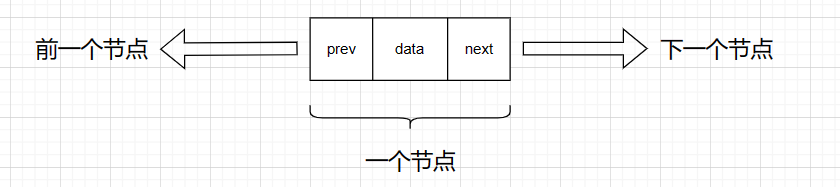
4. 双向链表的功能
4.1 初始化双向链表
在初始化双向链表时,我们需要创建一个头节点,也就是我们常说的哨兵位头节点。
(1) 创建头结点
DListNode* DLNodeCreat(LTDataType x) { DListNode* newnode = (DListNode*)malloc(sizeof(DListNode)); if (newnode == NULL) { perror("malloc fail:"); return NULL; } newnode->prev = NULL; newnode->next = NULL; newnode->data = x; return newnode; }- 1
- 2
- 3
- 4
- 5
- 6
- 7
- 8
- 9
- 10
- 11
- 12
- 13
(2) 初始化
初始化将头节点的前后指针都指向自己,并将数值至为-1。
DListNode* InitDList() { DListNode* phead = DLNodeCreat(-1); phead->prev = phead; phead->next = phead; return phead; }- 1
- 2
- 3
- 4
- 5
- 6
- 7
(3) 复杂度分析
- 时间复杂度:没有其他额外的时间消耗,时间复杂度为O(1)。
- 空间复杂度:固定创造一个节点,空间复杂度为O(1)。
4.2 双向链表尾插
因为我们实现的双向链表存在头节点,所以我们不需要像实现单链表一样先判断链表是否为空。
(1) 代码实现
void DListPushBack(DListNode* ptr, LTDataType x) { assert(ptr); DListNode* tail = ptr->prev; DListNode* newnode = DLNodeCreat(x); tail->next = newnode; newnode->prev = tail; ptr->prev = newnode; newnode->next = ptr; }- 1
- 2
- 3
- 4
- 5
- 6
- 7
- 8
- 9
- 10
(2) 复杂度分析
- 时间复杂度:没有其他额外的时间消耗,时间复杂度为O(1)。
- 空间复杂度:固定创造一个节点,空间复杂度为O(1)。
4.3 双向链表头插
因为带头双向循环链表的特性,即使只有头节点进行头插,代码实现也是相同的。
(1) 代码实现
void DListPushFront(DListNode* ptr, LTDataType x) { assert(ptr); DListNode* next = ptr->next; DListNode* newnode = DLNodeCreat(x); ptr->next = newnode; newnode->prev =ptr; newnode->next = next; next->prev = newnode; }- 1
- 2
- 3
- 4
- 5
- 6
- 7
- 8
- 9
- 10
(2) 复杂度分析
- 时间复杂度:没有其他额外的时间消耗,时间复杂度为O(1)。
- 空间复杂度:固定创造一个节点,空间复杂度为O(1)。
4.4 双向链表尾删
有了循环找尾节点也十分容易,双向链表尾删自然并不困难。但是需要防止删除头节点。
(1) 代码实现
void DListPopBack(DListNode* ptr) { assert(ptr); assert(ptr->next != ptr);//放置删除头节点 DListNode* tail = ptr->prev; DListNode* tailprev = tail->prev; free(tail); tail == NULL; tailprev->next = ptr; ptr->prev = tailprev; }- 1
- 2
- 3
- 4
- 5
- 6
- 7
- 8
- 9
- 10
- 11
(2) 复杂度分析
- 时间复杂度:没有其他额外的时间消耗,时间复杂度为O(1)。
- 空间复杂度:没有额外的空间消耗,空间复杂度为O(1)。
4.5 双向链表头删
头删与尾删一样,都需要防止删除头节点。
(1) 代码实现
void DListPopFront(DListNode* ptr) { assert(ptr); assert(ptr->next != ptr); DListNode* phead = ptr->next; DListNode* pheadnext = phead->next; free(phead); ptr->next = pheadnext; pheadnext->prev = ptr; }- 1
- 2
- 3
- 4
- 5
- 6
- 7
- 8
- 9
- 10
(2) 复杂度分析
- 时间复杂度:没有其他额外的时间消耗,时间复杂度为O(1)。
- 空间复杂度:没有额外的空间消耗,空间复杂度为O(1)。
4.6 双向链表查找
和单链表一样,我们也可以对双向链表进行查找。如果找到就返回该节点的地址,否则返回NULL。
(1) 代码实现
DListNode* DListFind(DListNode* ptr, LTDataType x) { assert(ptr); DListNode* cur = ptr->next; while (cur != ptr) { if (cur->data == x) { return cur; } cur = cur->next; } return NULL; }- 1
- 2
- 3
- 4
- 5
- 6
- 7
- 8
- 9
- 10
- 11
- 12
- 13
- 14
(2) 复杂度分析
- 时间复杂度:可能需要遍历整个链表,时间复杂度为O(N)。
- 空间复杂度:没有额外的空间消耗,空间复杂度为O(1)。
4.7 修改双向链表
我们可以结合双向链表的查找,对双向链表进行修改。
(1) 代码实现
void DListModify(DListNode* ptr, DListNode* pos, LTDataType x) { assert(ptr); assert(ptr != pos);//防止对头节点操作 DListNode* cur = ptr->next; while (cur != ptr) { if (cur == pos) { cur->data = x; } cur = cur->next; } }- 1
- 2
- 3
- 4
- 5
- 6
- 7
- 8
- 9
- 10
- 11
- 12
- 13
- 14
(2) 复杂度分析
- 时间复杂度:可能需要遍历整个链表,时间复杂度为O(N)。
- 空间复杂度:没有额外的空间消耗,空间复杂度为O(1)。
4.8 双向链表指定插入数据
随机插入数据可以分为:向前插入与向后插入。
(1) 向前插入
void DListInsertF(DListNode* ptr, DListNode* pos, LTDataType x) { assert(ptr); DListNode* newnode = DLNodeCreat(x); DListNode* prev = pos->prev; newnode->prev = prev; newnode->next = pos; prev->next = newnode; pos->prev = newnode; }- 1
- 2
- 3
- 4
- 5
- 6
- 7
- 8
- 9
- 10
(2) 向后插入
void DListInsertB(DListNode* ptr, DListNode* pos, LTDataType x) { assert(ptr); DListNode* newnode = DLNodeCreat(x); DListNode* next = pos->next; newnode->prev = pos; newnode->next = next; next->prev = newnode; pos->next = newnode; }- 1
- 2
- 3
- 4
- 5
- 6
- 7
- 8
- 9
- 10
(3) 复杂度分析
- 时间复杂度:没有其他额外的时间消耗,时间复杂度为O(1)。
- 空间复杂度:没有额外的空间消耗,空间复杂度为O(1)。
4.9 指定位置删除数据
任意删除也需要放置删除头节点,并且因为其特点只需要一个参数就能完成该操作。
(1) 代码实现
void DListErase(DListNode* pos) { assert(pos); assert(pos != pos->next); pos->prev->next = pos -> next; pos->next->prev = pos->prev; free(pos); pos = NULL; }- 1
- 2
- 3
- 4
- 5
- 6
- 7
- 8
- 9
(2) 复杂度分析
- 时间复杂度:没有其他额外的时间消耗,时间复杂度为O(1)。
- 空间复杂度:没有额外的空间消耗,空间复杂度为O(1)。
4.10 打印双向链表
打印双向链表只需将循环之前的数据全部打印即可。
(1) 代码实现
void DLTPrint(DListNode* ptr) { assert(ptr); printf("guard"); DListNode* cur = ptr->next; while (cur != ptr) { printf("<==>%d", cur->data); cur = cur->next; } printf("\n"); }- 1
- 2
- 3
- 4
- 5
- 6
- 7
- 8
- 9
- 10
- 11
- 12
(2) 复杂度分析
- 时间复杂度:没有其他额外的时间消耗,时间复杂度为O(1)。
- 空间复杂度:没有额外的空间消耗,空间复杂度为O(1)。
4.11 销毁双向链表
(1) 代码实现
void DListDestroy(DListNode* ptr) { assert(ptr); DListNode* cur = ptr->next; while (cur != ptr) { DListNode* next = cur->next; free(cur); cur = next; } free(ptr); }- 1
- 2
- 3
- 4
- 5
- 6
- 7
- 8
- 9
- 10
- 11
- 12
(2) 复杂度分析
- 时间复杂度:没有其他额外的时间消耗,时间复杂度为O(1)。
- 空间复杂度:没有额外的空间消耗,空间复杂度为O(1)。
5. 完整代码
5.1 DList.h
#include#include #include typedef int LTDataType; typedef struct DoubleList { struct DoubleList* prev;//指向前一个节点 LTDataType data; struct DoubleList* next;//指向下一个节点 }DListNode; DListNode* InitDList();//初始化 void DListPushBack(DListNode* ptr, LTDataType x);//尾插 void DLTPrint(DListNode* ptr);//打印 void DListPushFront(DListNode* ptr, LTDataType x);//头插 void DListPopBack(DListNode* ptr);//尾删 void DListPopFront(DListNode* ptr);//头删 DListNode*DListFind(DListNode* ptr, LTDataType x);//查找 void DListModify(DListNode* ptr, DListNode* pos);//修改 void DListInsertF(DListNode* ptr, DListNode* pos, LTDataType x);//任意位置之前插入 void DListInsertB(DListNode* ptr, DListNode* pos, LTDataType x);//任意位置之后插入 void DListErase(DListNode* pos);//任意位置删除 void DListDestroy(DListNode* ptr);//销毁双向链表 - 1
- 2
- 3
- 4
- 5
- 6
- 7
- 8
- 9
- 10
- 11
- 12
- 13
- 14
- 15
- 16
- 17
- 18
- 19
- 20
- 21
- 22
5.2 DList.c
#include"DoubleList.h" DListNode* DLNodeCreat(LTDataType x) { DListNode* newnode = (DListNode*)malloc(sizeof(DListNode)); if (newnode == NULL) { perror("malloc fail:"); return NULL; } newnode->prev = NULL; newnode->next = NULL; newnode->data = x; return newnode; } DListNode* InitDList() { DListNode* phead = DLNodeCreat(-1); phead->prev = phead; phead->next = phead; return phead; } void DListPushBack(DListNode* ptr, LTDataType x) { assert(ptr); DListNode* tail = ptr->prev; DListNode* newnode = DLNodeCreat(x); tail->next = newnode; newnode->prev = tail; ptr->prev = newnode; newnode->next = ptr; } void DListPushFront(DListNode* ptr, LTDataType x) { assert(ptr); DListNode* next = ptr->next; DListNode* newnode = DLNodeCreat(x); ptr->next = newnode; newnode->prev =ptr; newnode->next = next; next->prev = newnode; } void DListPopBack(DListNode* ptr) { assert(ptr); assert(ptr->next != ptr);//放置删除头节点 DListNode* tail = ptr->prev; DListNode* tailprev = tail->prev; free(tail); tail == NULL; tailprev->next = ptr; ptr->prev = tailprev; } void DListPopFront(DListNode* ptr) { assert(ptr); assert(ptr->next != ptr); DListNode* phead = ptr->next; DListNode* pheadnext = phead->next; free(phead); ptr->next = pheadnext; pheadnext->prev = ptr; } DListNode* DListFind(DListNode* ptr, LTDataType x) { assert(ptr); DListNode* cur = ptr->next; while (cur != ptr) { if (cur->data == x) { return cur; } cur = cur->next; } return NULL; } void DListModify(DListNode* ptr, DListNode* pos, LTDataType x) { assert(ptr); assert(ptr != pos);//防止对头节点操作 DListNode* cur = ptr->next; while (cur != ptr) { if (cur == pos) { cur->data = x; } cur = cur->next; } } void DListInsertF(DListNode* ptr, DListNode* pos, LTDataType x) { assert(ptr); DListNode* newnode = DLNodeCreat(x); DListNode* prev = pos->prev; newnode->prev = prev; newnode->next = pos; prev->next = newnode; pos->prev = newnode; } void DListInsertB(DListNode* ptr, DListNode* pos, LTDataType x) { assert(ptr); DListNode* newnode = DLNodeCreat(x); DListNode* next = pos->next; newnode->prev = pos; newnode->next = next; next->prev = newnode; pos->next = newnode; } void DListErase(DListNode* pos) { assert(pos); assert(pos != pos->next); pos->prev->next = pos -> next; pos->next->prev = pos->prev; free(pos); pos = NULL; } void DLTPrint(DListNode* ptr) { assert(ptr); printf("guard"); DListNode* cur = ptr->next; while (cur != ptr) { printf("<==>%d", cur->data); cur = cur->next; } printf("\n"); } void DListDestroy(DListNode* ptr) { assert(ptr); DListNode* cur = ptr->next; while (cur != ptr) { DListNode* next = cur->next; free(cur); cur = next; } free(ptr); }- 1
- 2
- 3
- 4
- 5
- 6
- 7
- 8
- 9
- 10
- 11
- 12
- 13
- 14
- 15
- 16
- 17
- 18
- 19
- 20
- 21
- 22
- 23
- 24
- 25
- 26
- 27
- 28
- 29
- 30
- 31
- 32
- 33
- 34
- 35
- 36
- 37
- 38
- 39
- 40
- 41
- 42
- 43
- 44
- 45
- 46
- 47
- 48
- 49
- 50
- 51
- 52
- 53
- 54
- 55
- 56
- 57
- 58
- 59
- 60
- 61
- 62
- 63
- 64
- 65
- 66
- 67
- 68
- 69
- 70
- 71
- 72
- 73
- 74
- 75
- 76
- 77
- 78
- 79
- 80
- 81
- 82
- 83
- 84
- 85
- 86
- 87
- 88
- 89
- 90
- 91
- 92
- 93
- 94
- 95
- 96
- 97
- 98
- 99
- 100
- 101
- 102
- 103
- 104
- 105
- 106
- 107
- 108
- 109
- 110
- 111
- 112
- 113
- 114
- 115
- 116
- 117
- 118
- 119
- 120
- 121
- 122
- 123
- 124
- 125
- 126
- 127
- 128
- 129
- 130
- 131
- 132
- 133
- 134
- 135
- 136
- 137
- 138
- 139
- 140
- 141
- 142
- 143
-
相关阅读:
FreeSql 将 Saas 租户方案精简到极致[.NET ORM]
CentOSt7安装Redis错误:/bin/sh: cc: 未找到命令
vue中如何获取到当前位置的天气
搜维尔科技:远程操作,遥操作机器人进行 TCP点胶演示
UPLOAD-LABS1
JavaScript 基础
【亲测】简易商城小程序源码-易优CMS后台
linux环境下,一步步教你命令行搭建自己的git服务器和客户端
javamail——邮件发送
异常exception和错误error即推荐用法@sneakythrow
- 原文地址:https://blog.csdn.net/Bettysweetyaaa/article/details/136736741
