-
f9p pps base rover
ENABLE
(默认)
使能 PPS 输出,在模组/板卡定位后,且 PPS 完成收
敛后输出 PPS,当卫星失锁,接收机不定位时,PPS
会维持大概 1 分钟左右后停止输出。
ENABLE2
使能PPS输出,在模组/板卡时间有效后一直保持PPS
输出,PPS 输出精度在±100ms 内。当 PPS 收敛完
成,会调钟和系统时对齐,输出和enable配置同样误
差的 PPS。
ENABLE3
使能 PPS 信号输出,在接收机启动之后一直保持 PPS
信号输出。CONFIG COM3 9600 8 n 1
GPRMC COM3 1
CONFIG PPS ENABLE3 GPS POSITIVE 100000 1000 0 0
CONFIG PPS ENABLE2 GPS POSITIVE 5000 50 0 0(20hz 相机)CONFIG COM1 921600 8 n 1
CONFIG COM2 115200 8 n 1MODE ROVER UAV
CONFIG HEADING FIXLENGTH
CONFIG HEADING LENGTH 34
CONFIG MMP ENABLECONFIG RTK TIMEOUT 60
CONFIG RTK RELIABILITY 3 1AGRICB COM1 0.05
BESTNAVB COM1 0.05
BESTNAVHB COM1 0.05(982)
PVTSLNB COM1 0.05OBSVMB COM1 0.05
OBSVHB COM1 0.05(982)
BASEINFOB COM1 60(982)GPSIONB COM1 60
BD3IONB COM1 60
BDSIONB COM1 60
GALIONB COM1 60
GPSEPHB COM1 60
BD3EPHB COM1 60
BDSEPHB COM1 60
GLOEPHB COM1 60
GALEPHB COM1 60GPSUTCB COM1 60
BD3UTCB COM1 60
BDSUTCB COM1 60
GALUTCB COM1 60LOGLIST
saveconfigum980
unlog com3
$command,mode base time 60,response: OK7B
$command,saveconfig,response: OK55
$command,rtcm1077 com3 1,response: OK34
$command,rtcm1087 com3 1,response: OK3B
$command,rtcm1097 com3 1,response: OK3A
$command,rtcm1117 com3 1,response: OK33
$command,rtcm1127 com3 1,response: OK30
$command,rtcm1033 com3 1,response: OK34
$command,rtcm1006 com3 1,response: OK32
$command,saveconfig,response: OK5520hz solve,20hz raw,obsv
base:584915.9bps
rover:670305.822bps

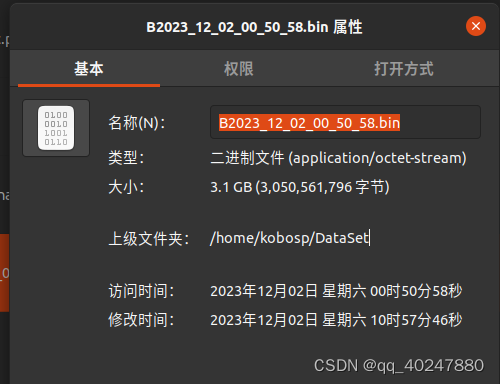
5hz solve,1hz raw obsv
base 端读写速度38757588/(460+62-46)=121117.43<921600
rover端读写速度4,725,6108/(260+36+60-55)=234812.9193<921600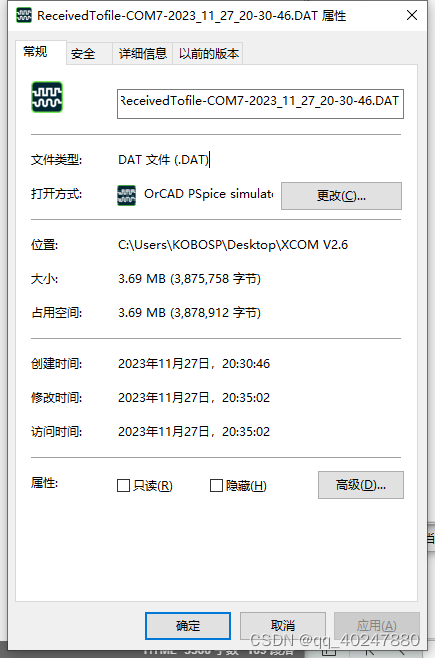

um980发射RTCM电台
广播发射,高速2.1KB,大功率,自动,1001,0,115200,115200um982接收RTCM电台
广播接收,高速2.1KB,大功率,自动,1001,0,115200,115200F9P发射RTCM电台
广播发射,高速2.1KB,大功率,自动,1000,0,115200,115200
F9P接收RTCM电台
广播接收,高速2.1KB,大功率,自动,1000,0,115200,115200MSM Observable Messages
The Multiple Signal Messages (MSM) are observable messages for all current GNSS systems. They provide a standardized framework for message content and are designed to support future systems and signals.Sending legacy (1001-1004 and 1009-1012) and MSM messages in the same stream can cause problems for remote RTK users and is not recommended.
Each GNSS system has a set of seven MSM types numbered from 1 to 7. The MSM type for each GNSS system provides the same generic information. Generally, as the MSM number increases, more information is available in the messages. For example, MSM1 for each GNSS system provides the code measurements for the system, while MSM3 provides both the code and phase.
The information encoded in each MSM variant is described in Table: MSM Type Descriptions for the descriptions of each of the seven MSM types. For RTK operations, MSM3 is minimally recommended.
MSM Type Descriptions
MessageDescription
MSM1 Provides the code measurements.
MSM2 Provides the phase measurements.
MSM3 Provides the data from MSM1 (code) and MSM2 (phase) in a single message.
MSM4 Provides all the data from MSM3 (code and phase) and adds the CNR measurements.
MSM5 Provides all the data from MSM4 (code, phase and CNR) and adds the doppler measurements.
MSM6 Provides the same information as MSM4, but has extended resolution on the measurements.
MSM7 Provides the same information as MSM5, but has extended resolution on the measurements.
Station and Antenna Messages
The station and antenna messages listed in Table: Station and Antenna Messages provide the base station’s coordinates and hardware. Remote RTK users require this information so that they can position themselves relative to a base station.Message Type 1005 provides the Earth-Centered, Earth-Fixed (ECEF) coordinates of the Antenna Reference Point (ARP). The ARP is an explicit physical point on the antenna, typically the center of its base. It is related to the antenna phase center from where the measurements are emitted via the Phase Center Offsets (PCOs). The PCOs can be set using the THISANTENNAPCO command or THISANTENNATYPE command. If the PCOs are not set, then the coordinates transmitted by Message types 1005 and 1006 will be those that the receiver is fixed to by the FIX command.
Message Type 1006 is the same as 1005 but additionally provides the antenna height. This value is always set to zero by the receiver firmware.
Message Type 1007 provides the base station antenna type. Conventionally, the antenna name from the International GNSS Service (IGS) is used. The antenna name can be set using the THISANTENNATYPE command.
Message Type 1008 is the same as 1007 but additionally provides the antenna serial number. The serial number is always set to null by the receiver firmware.
Message Type 1033, like message types 1007 and 1008, also provides the antenna information. Message type 1033 additionally provides the receiver type and firmware version. The primary use of this information is to more-easily enable RTK rovers to fix their GLONASS ambiguities. This information is filled automatically and appropriately by the receiver firmware.
For a receiver operating as an RTK base station, the recommended messages to transmit are 1006 and 1033. With these messages remote RTK users have all the information describing the base station.

Ephemeris Messages
The ephemeris messages listed in Table: Ephemeris Messages provide the satellite ephemerides. For RTK operations this information is optional, as RTK rovers will be downloading their own ephemerides directly from the satellites.There are two messages for each ephemeris type. For the messages logged ONTIME (e.g. LOG RTCM1019 ONTIME 10) a single satellite’s ephemeris is output at each ONTIME interval. The ephemerides will be cycled through in numerical order. For the messages logged ONCHANGED (e.g., LOG RTCM1019ASYNC ONCHANGED), new or changed ephemerides will be output as soon as they are available.
GLONASS Bias Information Message
Message 1230 communicates the GLONASS Code-Phase Bias (CPB) information. This information allows RTK rovers to compensate for differences in biases between themselves and the base station, enabling or improving the resolution of GLONASS ambiguities.CPB values for all GLONASS FDMA signals available in the data stream of both MSM and Legacy (1081-1088 and 1009-1012) are mandatory for full GLONASS interoperability.
With some base stations, message 1033 is not sufficient for full GLONASS interoperability. The message 1033 was not originally designed to compensate for CPB and therefore message 1230 has been developed to improve GLONASS interoperability and should be used to assure full interoperability.

北斗频段

B1I,B2I,B3I
B1I,B1C,B2a,B2b,B3I
IQ,B1B2B3分别有对应


115200的10%,带宽够的。P900电台配置指南
按下图接线

长按CFG通电进入配置模式,默认串口速率是9600,连接,按照以下命令依次发送,发送+++时不要勾选新行,其他要勾选。变换串口速率后在WA后生效,重新连接需要先更换波特率57600再发送+++

+++ AT&V AT&F7(地面单主) AT&F8(天空多从) AT&F10(天空主) AT&F11(地面从) ATS102=2 ATS103=4 ATS104=20230813 AT&WA- 1
- 2
- 3
- 4
- 5
- 6
- 7
- 8
- 9
- 10
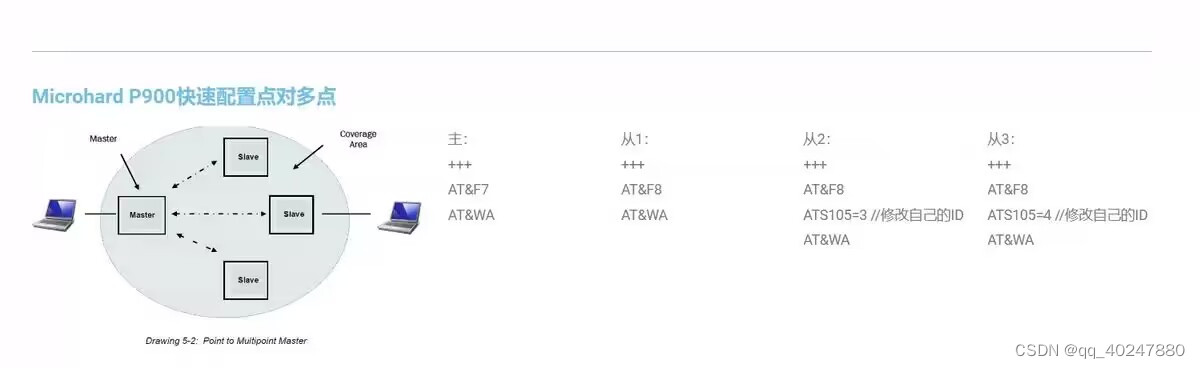


电台波特率调为115200
F9Pbase,move base and rover 设置
base:usb连接电脑,uart1连接电台
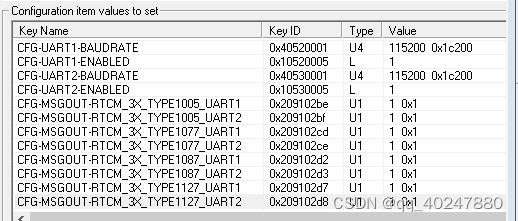


move base:usb连接电脑,uart1连接电台,uart2tx连接杜邦线
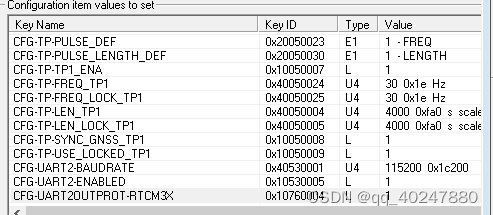


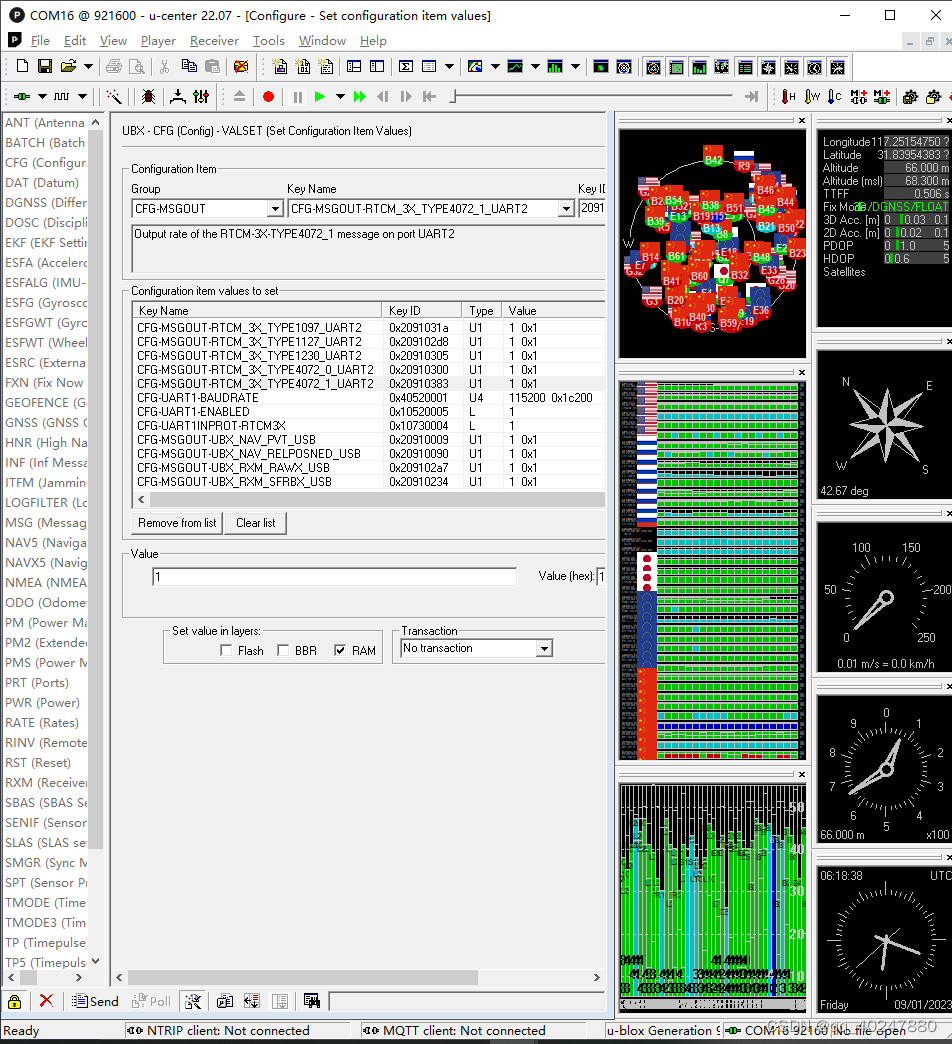
rover:usb连接电脑,uart2连接杜邦线


-
相关阅读:
【React源码】(二)React 工作循环 (workLoop)
Internet Download Manager2023最新版下载器功能介绍
JS语句完全攻略
十年架构师带来的Spring源码解析,极度深寒,程序员修炼内功必备
标签转格式问题之——xml_2_txt.py
maxwell读取mysql的binlog并发送kafka
Linux系统安全
陕西CAS:1244028-50-9_Biotin-PEG3-SCO-PPh3 固体
深入理解Java ArrayList集合及其源码详解
regexpire-攻防世界-MISC
- 原文地址:https://blog.csdn.net/qq_40247880/article/details/134001590