-
LeetCode每日一题:2251. 花期内花的数目(2023.9.28 C++)
目录
2251. 花期内花的数目
题目描述:
给你一个下标从 0 开始的二维整数数组
flowers,其中flowers[i] = [starti, endi]表示第i朵花的 花期 从starti到endi(都 包含)。同时给你一个下标从 0 开始大小为n的整数数组people,people[i]是第i个人来看花的时间。请你返回一个大小为
n的整数数组answer,其中answer[i]是第i个人到达时在花期内花的 数目 。示例 1:

输入:flowers = [[1,6],[3,7],[9,12],[4,13]], people = [2,3,7,11]
输出:[1,2,2,2]
解释:上图展示了每朵花的花期时间,和每个人的到达时间。
对每个人,我们返回他们到达时在花期内花的数目。
示例 2:
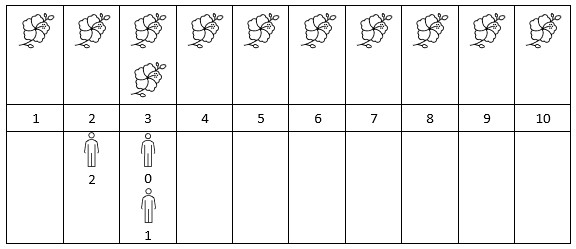
输入:flowers = [[1,10],[3,3]], people = [3,3,2]
输出:[2,2,1]
解释:上图展示了每朵花的花期时间,和每个人的到达时间。
对每个人,我们返回他们到达时在花期内花的数目。
提示:
1 <= flowers.length <= 5 * 104flowers[i].length == 21 <= starti <= endi <= 1091 <= people.length <= 5 * 1041 <= people[i] <= 109
实现代码与解析:
离散化差分
- class Solution {
- public:
- vector<int> fullBloomFlowers(vector
- map<int, int> diff; // 差分
- for (auto &t: flowers) { // 计算差分
- diff[t[0]]++;
- diff[t[1] + 1]--;
- }
- vector<int> pidx(people.size());
- for (int i = 0; i < pidx.size(); i++) // 记录下标
- pidx[i] = i;
- sort(pidx.begin(), pidx.end(), [&](int a, int b) { // 用 & 别用 = 会超时
- return people[a] < people[b]; // 根据到达时间对于下标排序
- });
- vector<int> res(people.size());
- int cur = 0;
- auto it = diff.begin(); // iter
- for (int t: pidx) {
- while (it != diff.end() && it->first <= people[t]) {
- cur += it->second;
- it++;
- }
- res[t] = cur;
- }
- return res;
- }
- };
原理思路:
根据题目,差分一定是最先想到的,但是数据量比较大,我们也没必要每个时间的数量都查询到,只需要查询有人去的时间的结果。
所以,这里用map来代替数组,由于结果要按查询顺序返回,我们记录people下标并且按到达时间排序,为了后面按顺序求前缀和,这样求前缀时,就不用每次都返回开头再求。
然后开始遍历,对于小于等于现在遍历的人的时间,进行前缀和并且记录结果,最终得到结果数组,返回,完成。
-
相关阅读:
ABAP Web Service 调用的一个例子
解决问题:可以用什么方式实现自动化部署
ssm高校党员信息管理系统
C++——继承
【shell】shell指令学习
108强初赛成果脱颖而出 2022用友成长型企业数智化成果大赛进入复赛
大师学SwiftUI第18章Part1 - 图片选择器和相机
nginx测试配置文件的问题
(附源码)计算机毕业设计SSM酒店入住管理系统
UI组件库Kendo UI for Vue原生组件中文 - 按钮概述
- 原文地址:https://blog.csdn.net/Cosmoshhhyyy/article/details/133380205
