-
【C++】【STL】【list类的使用】【list类的模拟实现】
目录
一、list的介绍
1. list是可以在常数范围内在任意位置进行插入和删除的序列式容器,并且该容器可以前后双向迭代。
2. list的底层是双向链表结构,双向链表中每个元素存储在互不相关的独立节点中,在节点中通过指针指向其前一个元素和后一个元素。
3. list与forward_list非常相似:最主要的不同在于forward_list是单链表,只能朝前迭代,已让其更简单高效。
4. 与其他的序列式容器相比(array,vector,deque),list通常在任意位置进行插入、移除元素的执行效率更好。
5. 与其他序列式容器相比,list和forward_list最大的缺陷是不支持任意位置的随机访问,比如:要访问list的第6个元素,必须从已知的位置(比如头部或者尾部)迭代到该位置,在这段位置上迭代需要线性的时间开销;list还需要一些额外的空间,以保存每个节点的相关联信息(对于存储类型较小元素的大list来说这可能是一个重要的因素)构造函数( (constructor))
接口说明
list (size_type n, const value_type& val = value_type())
构造的list中包含n个值为val的元素
list()
构造空的list
list (const list& x)
拷贝构造函数
list (InputIterator first, InputIterator last)
用[first, last)区间中的元素构造list
函数声明
接口说明
返回第一个元素的迭代器+返回最后一个元素下一个位置的迭代器
返回第一个元素的reverse_iterator,即end位置,返回最后一个元素下一个位置的
reverse_iterator,即begin位置
注意:
1. begin与end为正向迭代器,对迭代器执行++操作,迭代器向后移动
2. rbegin(end)与rend(begin)为反向迭代器,对迭代器执行++操作,迭代器向前移动函数声明
接口说明
在list首元素前插入值为val的元素
删除list中第一个元素
在list尾部插入值为val的元素
删除list中最后一个元素
在list position 位置中插入值为val的元素
删除list position位置的元素
交换两个list中的元素
清空list中的有效元素
- void test_list1()
- {
- list<int> lt;
- lt.push_back(1);
- lt.push_back(2);
- lt.push_back(3);
- lt.push_back(4);
- lt.push_back(5);
- list<int>::iterator it=lt.begin();
- while(it!=lt.end())
- {
- cout<<*it<<" ";
- ++it;
- }
- cout<it=lt.begin();while(it!=lt.end()){(*it) *=2;++it;}it=lt.begin();while(it!=lt.end()){cout<<*it<<" ";++it;}cout<for(auto e: lt){cout<}cout<lt.push_front(10);lt.push_front(20);lt.pop_back();for(auto e: lt){cout<}cout<};

迭代器失效问题
迭代器暂时理解成类似于指针,迭代器失效即迭代器所指向的节点的无效,即该节点被删除了。因为list的底层结构为带头结点的双向循环链表,因此在list中进行插入时是不会导致list的迭代
器失效的,只有在删除时才会失效,并且失效的只是指向被删除节点的迭代器,其他迭代器不会受到影响。- void TestListIterator1()
- {
- int array[] = { 1, 2, 3, 4, 5, 6, 7, 8, 9, 0 };
- list<int> l(array, array+sizeof(array)/sizeof(array[0]));
- auto it = l.begin();
- while (it != l.end())
- {
- // erase()函数执行后,it所指向的节点已被删除,因此it无效,在下一次使用it时,必须先给其赋值
- l.erase(it);
- ++it;
- }
- }
- int main() {
- TestListIterator1();
- return 0;
- }

- // 改正
- void TestListIterator()
- {
- int array[] = { 1, 2, 3, 4, 5, 6, 7, 8, 9, 0 };
- list<int> l(array, array+sizeof(array)/sizeof(array[0]));
- auto it = l.begin();
- while (it != l.end())
- {
- l.erase(it++); // it = l.erase(it);
- }
- }
- int main() {
- TestListIterator();
- return 0;
- }

- void test_list2() {
- list<int> lt;
- lt.push_back(1);
- lt.push_back(2);
- lt.push_back(3);
- lt.push_back(4);
- lt.push_back(5);
- auto pos=find(lt.begin(),lt.end(),3);
- //找到了就插入
- if(pos !=lt.end())
- {
- //pos是否会失效?不会
- //相对位置关系是不会发生变化的,同时也不会产生野指针
- //因为这是一个链表
- lt.insert(pos,30);
- }
- for(auto e: lt)
- {
- cout<
- }
- cout<auto pos1=find(lt.begin(),lt.end(),3);if(pos1!=lt.end()){//pos是否会失效?lt.erase(pos1);cout<<*pos1<}for(auto e: lt){cout<}cout<}
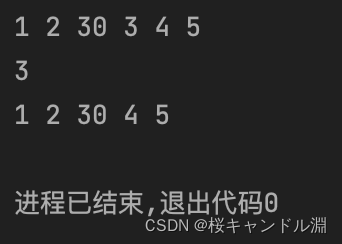
remove的简单测试
remove会将list中所有指定的要删除的元素全部都删掉
- void test_list3() {
- list<int> lt;
- lt.push_back(1);
- lt.push_back(2);
- lt.push_back(3);
- lt.push_back(4);
- lt.push_back(3);
- lt.push_back(5);
- for(auto e: lt)
- {
- cout<
- }
- cout<//remove会将list中全部的3都去除掉lt.remove(3);for(auto e: lt){cout<}cout<}

list中的sort问题
- void test_list4() {
- list<int> lt;
- lt.push_back(1);
- lt.push_back(2);
- lt.push_back(3);
- lt.push_back(4);
- lt.push_back(3);
- lt.push_back(5);
- //这个算法库中的sort是没办法用的
- //sort(lt.begin(),lt.end());
- //sort算法的迭代器用的是随机访问迭代器,链表的不是,因此不能用该算法
- //使用list专门的sort是可以的,其采用归并的思路
- lt.sort();
- for(auto e: lt)
- {
- cout<
- }
- cout<}
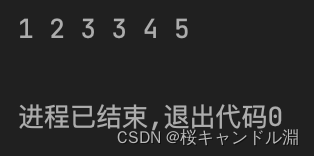
- //N个数据需要排序,vector+算法sort 还是list+sort?
- //虽然快排和归并的效率是差不多的,但是vector支持随机访问,在大量的数据的情况下会比list+sort有很大的提升
- //使用vector排完再拷贝回去都比list+sort快
- // N个数据需要排序,vector+ 算法sort list+ sort
- void test_op()
- {
- srand(time(0));
- const int N = 100000;
- vector<int> v;
- v.reserve(N);
- list<int> lt1;
- list<int> lt2;
- for (int i = 0; i < N; ++i)
- {
- auto e = rand();
- //v.push_back(e);
- lt1.push_back(e);
- lt2.push_back(e);
- }
- // 拷贝到vector排序,排完以后再拷贝回来
- int begin1 = clock();
- for (auto e : lt1)
- {
- v.push_back(e);
- }
- sort(v.begin(), v.end());
- size_t i = 0;
- for (auto& e : lt1)
- {
- e = v[i++];
- }
- int end1 = clock();
- int begin2 = clock();
- // sort(lt.begin(), lt.end());
- lt2.sort();
- int end2 = clock();
- printf("copy vector sort:%d\n", end1 - begin1);
- printf("list sort:%d\n", end2 - begin2);
- }
- int main()
- {
- test_op();
- return 0;
- }
容器+sort比list+sort快出了不只一点点

二、list类的模拟实现
1.定义节点类,list类,迭代器类
①定义节点类
- template<class T>
- struct list_node
- {
- T _data;
- list_node
* _next; - list_node
* _prev; - //构造函数
- list_node(const T& x = T())
- :_data(x)
- , _next(nullptr)
- , _prev(nullptr)
- {}
- };
②定义list类
- template<class T>
- class list
- {
- typedef list_node
Node; - public:
- //采用复用的方式构建我们的普通迭代器和const迭代器
- //第一个参数就是我们的list对象,后面两个参数用来区分是普通迭代器还是const迭代器
- typedef __list_iterator
- //迭代器返回的是&T
- typedef __list_iterator
- private:
- Node* _head;
- };
③定义迭代器类
- // 像指针一样的对象
- template<class T, class Ref, class Ptr>
- struct __list_iterator
- {
- typedef list_node
Node; - //采用复用的方式构建我们的普通迭代器和const迭代器
- //第一个参数就是我们的list对象,后面两个参数用来区分是普通迭代器还是const迭代器
- typedef __list_iterator
- typedef bidirectional_iterator_tag iterator_category;
- typedef T value_type;
- typedef Ptr pointer;
- typedef Ref reference;
- typedef ptrdiff_t difference_type;
- Node* _node;
- __list_iterator(Node* node)
- :_node(node)
- {}
- //不需用写迭代器的析构函数
- //因为我们迭代器仅仅是用来遍历链表的,如果在遍历完成将这个结点给释放了
- //那么我们的链表就断掉了!!!
- //不需用写迭代器的拷贝构造
- //因为默认的就是浅拷贝,也就是两个迭代器指向统一个结点,这也正是我们期望的
- };
2.迭代器类中具体功能的定义
①迭代器所指向数据的比较
- bool operator!=(const iterator& it) const
- {
- return _node != it._node;
- }
- bool operator==(const iterator& it) const
- {
- return _node == it._node;
- }
②迭代器的++,--
用于迭代器的遍历
注意:链表结点的依次遍历和之前的数组是不同的!
- // ++it
- iterator& operator++()
- {
- _node = _node->_next;
- return *this;
- }
- // it++
- iterator operator++(int)
- {
- iterator tmp(*this);
- _node = _node->_next;
- return tmp;
- }
- // --it
- iterator& operator--()
- {
- _node = _node->_prev;
- return *this;
- }
- // it--
- iterator operator--(int)
- {
- iterator tmp(*this);
- _node = _node->_prev;
- return tmp;
- }
③迭代器->符号的重载
箭头是用来访问结构成员的。
- Ref operator*()
- {
- return _node->_data;
- }
- //T* operator->()
- Ptr operator->()
- {
- //&(_node->_data)
- return &(operator*());
- }
按照上面的代码,我们其实是需要输入it->->_a1来访问it迭代器中的_a1参数的,其中it->是调用了

it->会被转化成it.operator->(),也就是返回一个T*对象
而T*在会调用上面的函数

返回T*->_data
但是写两个箭头太难看了,编译器为了方便,就变成只输入一个->就可以了。

并且由于我们上面迭代器的定义方式,我们这里也并没有把是不是const属性给写死,这样下面函数中的Ref和Ptr会随着我们上面模板中的定义而随之改变,也就不用区分是不是const了。

3.list中具体功能的定义
①常量迭代器和迭代器的初始和结束位置的返回
- const_iterator begin() const
- {
- return const_iterator(_head->_next);
- }
- const_iterator end() const
- {
- return const_iterator(_head);
- }
- iterator begin()
- {
- return iterator(_head->_next);
- }
- iterator end()
- {
- return iterator(_head);
- }
②列表的构造函数
- list()
- {
- _head = new Node;
- _head->_next = _head;
- _head->_prev = _head;
- }
③列表的insert插入
- iterator insert(iterator pos, const T& x)
- {
- Node* cur = pos._node;
- Node* prev = cur->_prev;
- Node* newnode = new Node(x);
- // prev newnode cur
- prev->_next = newnode;
- newnode->_prev = prev;
- newnode->_next = cur;
- cur->_prev = newnode;
- return iterator(newnode);
- }
④列表的头插和尾插
- void push_back(const T& x)
- {
- //可以手动重新写一个
- //Node* tail = _head->_prev;
- //Node* newnode = new Node(x);
- _head tail newnode
- //tail->_next = newnode;
- //newnode->_prev = tail;
- //newnode->_next = _head;
- //_head->_prev = newnode;
- //也可以复用insert
- insert(end(), x);
- }
- void push_front(const T& x)
- {
- insert(begin(), x);
- }
⑤列表的擦除函数erase
- iterator erase(iterator pos)
- {
- assert(pos != end());
- Node* cur = pos._node;
- Node* prev = cur->_prev;
- Node* next = cur->_next;
- prev->_next = next;
- next->_prev = prev;
- delete cur;
- return iterator(next);
- }
⑥列表的头插和头删
- void pop_back()
- {
- erase(--end());
- }
- void pop_front()
- {
- erase(begin());
- }
4.深浅拷贝的问题
如果我们给我们上面的代码添上析构函数,就会发生报错。因为我们两个list在发生拷贝的时候是浅拷贝,对于同一个结点会释放两次,所以就会发生报错。这里我们就需要将我们的浅拷贝调整为深拷贝
析构函数
- ~list()
- {
- clear();
- delete _head;
- _head= nullptr;
- }
在析构之前我们最好提供一个clear函数
clear仅仅是清除数据,但是头结点是不清除的的
clear函数
- void clear()
- {
- iterator it=begin();
- while(it!=end())
- {
- //返回下一个位置的迭代器,防止迭代器失效
- it=erase(it);
- }
- }
初始化函数
这里我们单独将初始化函数定义出来,然后其他的代码复用初始化函数
- //创建并初始化哨兵位头结点
- void empty_init()
- {
- _head = new Node;
- _head->_next = _head;
- _head->_prev = _head;
- }
- //lt2(lt1)
- list(const list
& lt) - {
- //现代写法,最好先初始化一下
- empty_init();
- list
tmp(lt.begin(),lt.end()) ; - swap(tmp);
- }
- void swap(list
lt) - {
- std::swap(_head,lt._head);
- }
- list()
- {
- empty_init();
- }
定义深拷贝的拷贝函数
- template<class InputIterator>
- list(InputIterator first,InputIterator last)
- {
- empty_init();
- while(first!=last)
- {
- //将节点中的内容一个一个拷贝
- push_back(*first);
- ++first;
- }
- }
定义赋值拷贝
- //lt1=lt3
- list
& operator=(list lt) - {
- swap(lt);
- return *this;
- }
测试代码
- void test_list4()
- {
- list<int> lt;
- lt.push_back(1);
- lt.push_back(3);
- lt.push_back(2);
- lt.push_back(3);
- lt.push_back(4);
- lt.push_back(3);
- lt.push_back(3);
- lt.push_back(5);
- // list
copy(lt); - list<int> copy=lt;
- for (auto e : lt)
- {
- cout << e << " ";
- }
- cout << endl;
- list<int>::iterator it =copy.begin();
- while(it!=copy.end())
- {
- (*it)*=2;
- it++;
- }
- cout<// cout<<(*copy.begin()*=2)<for (auto e : copy){cout << e << " ";}cout << endl;for (auto e : lt){cout << e << " ";}cout << endl;}
我们观察到修改拷贝的list,我们原来的list并不会发生变化

5.细节问题
在类外面必须带上模板参数,比方说下面这里

在类里面编译器会做优化,比方说这里的
其实不写也可以,但是写上最好 
可以看到编译器并没有报错。

三、头文件代码汇总
- #ifndef LIST_TEST2_LIST_H
- #define LIST_TEST2_LIST_H
- #pragma once
- #include
- namespace zhuyuan
- {
- template<class T>
- struct list_node
- {
- T _data;
- list_node
* _next; - list_node
* _prev; - list_node(const T& x = T())
- :_data(x)
- , _next(nullptr)
- , _prev(nullptr)
- {}
- };
- // typedef __list_iterator
- // typedef __list_iterator
- // 像指针一样的对象
- template<class T, class Ref, class Ptr>
- struct __list_iterator
- {
- typedef list_node
Node; - typedef __list_iterator
- typedef bidirectional_iterator_tag iterator_category;
- typedef T value_type;
- typedef Ptr pointer;
- typedef Ref reference;
- typedef ptrdiff_t difference_type;
- Node* _node;
- __list_iterator(Node* node)
- :_node(node)
- {}
- bool operator!=(const iterator& it) const
- {
- return _node != it._node;
- }
- bool operator==(const iterator& it) const
- {
- return _node == it._node;
- }
- // *it it.operator*()
- // const T& operator*()
- // T& operator*()
- Ref operator*()
- {
- return _node->_data;
- }
- //T* operator->()
- Ptr operator->()
- {
- return &(operator*());
- }
- // ++it
- iterator& operator++()
- {
- _node = _node->_next;
- return *this;
- }
- // it++
- iterator operator++(int)
- {
- iterator tmp(*this);
- _node = _node->_next;
- return tmp;
- }
- // --it
- iterator& operator--()
- {
- _node = _node->_prev;
- return *this;
- }
- // it--
- iterator operator--(int)
- {
- iterator tmp(*this);
- _node = _node->_prev;
- return tmp;
- }
- };
- template<class T>
- class list
- {
- typedef list_node
Node; - public:
- typedef __list_iterator
- typedef __list_iterator
- const_iterator begin() const
- {
- return const_iterator(_head->_next);
- }
- const_iterator end() const
- {
- return const_iterator(_head);
- }
- iterator begin()
- {
- return iterator(_head->_next);
- }
- iterator end()
- {
- return iterator(_head);
- }
- list()
- {
- empty_init();
- }
- template<class InputIterator>
- list(InputIterator first,InputIterator last)
- {
- empty_init();
- while(first!=last)
- {
- //将节点中的内容一个一个拷贝
- push_back(*first);
- ++first;
- }
- }
- //创建并初始化哨兵位头结点
- void empty_init()
- {
- _head = new Node;
- _head->_next = _head;
- _head->_prev = _head;
- }
- //lt2(lt1)
- list(const list& lt)
- {
- //现代写法,最好先初始化一下
- empty_init();
- list
tmp(lt.begin(),lt.end()) ; - swap(tmp);
- }
- void swap(list
lt) - {
- std::swap(_head,lt._head);
- }
- ~list()
- {
- clear();
- delete _head;
- _head= nullptr;
- }
- void clear()
- {
- iterator it=begin();
- while(it!=end())
- {
- //返回下一个位置的迭代器,防止迭代器失效
- it=erase(it);
- }
- }
- //lt1=lt3
- list
& operator=(list lt) - {
- swap(lt);
- return *this;
- }
- void push_back(const T& x)
- {
- //Node* tail = _head->_prev;
- //Node* newnode = new Node(x);
- _head tail newnode
- //tail->_next = newnode;
- //newnode->_prev = tail;
- //newnode->_next = _head;
- //_head->_prev = newnode;
- insert(end(), x);
- }
- void push_front(const T& x)
- {
- insert(begin(), x);
- }
- iterator insert(iterator pos, const T& x)
- {
- Node* cur = pos._node;
- Node* prev = cur->_prev;
- Node* newnode = new Node(x);
- // prev newnode cur
- prev->_next = newnode;
- newnode->_prev = prev;
- newnode->_next = cur;
- cur->_prev = newnode;
- return iterator(newnode);
- }
- void pop_back()
- {
- erase(--end());
- }
- void pop_front()
- {
- erase(begin());
- }
- iterator erase(iterator pos)
- {
- assert(pos != end());
- Node* cur = pos._node;
- Node* prev = cur->_prev;
- Node* next = cur->_next;
- prev->_next = next;
- next->_prev = prev;
- delete cur;
- return iterator(next);
- }
- private:
- Node* _head;
- };
- void test_list1()
- {
- list<int> lt;
- lt.push_back(1);
- lt.push_back(2);
- lt.push_back(3);
- lt.push_back(4);
- lt.push_back(5);
- list<int>::iterator it = lt.begin();
- while (it != lt.end())
- {
- cout << *it << " ";
- ++it;
- }
- cout << endl;
- it = lt.begin();
- while (it != lt.end())
- {
- *it *= 2;
- ++it;
- }
- cout << endl;
- for (auto e : lt)
- {
- cout << e << " ";
- }
- cout << endl;
- }
- struct Pos
- {
- int _a1;
- int _a2;
- Pos(int a1 = 0, int a2 = 0)
- :_a1(a1)
- ,_a2(a2)
- {}
- };
- void test_list2()
- {
- int x = 10;
- int* p1 = &x;
- cout << *p1 << endl;
- Pos aa;
- Pos* p2 = &aa;
- p2->_a1;
- p2->_a2;
- list
lt; - lt.push_back(Pos(10, 20));
- lt.push_back(Pos(10, 21));
- list
::iterator it = lt.begin(); - while (it != lt.end())
- {
- //cout << (*it)._a1 << ":" << (*it)._a2 << endl;
- cout << it->_a1 << ":" << it->_a2 << endl;
- ++it;
- }
- cout << endl;
- }
- void Func(const list<int>& l)
- {
- list<int>::const_iterator it = l.begin();
- while (it != l.end())
- {
- //*it = 10;
- cout << *it << " ";
- ++it;
- }
- cout << endl;
- }
- void test_list3()
- {
- list<int> lt;
- lt.push_back(1);
- lt.push_back(2);
- lt.push_back(3);
- lt.push_back(4);
- lt.push_back(5);
- Func(lt);
- }
- void test_list4()
- {
- list<int> lt;
- lt.push_back(1);
- lt.push_back(2);
- lt.push_back(3);
- lt.push_back(4);
- lt.push_back(5);
- list<int>::iterator it = lt.begin();
- while (it != lt.end())
- {
- cout << *it << " ";
- ++it;
- }
- cout << endl;
- it = lt.begin();
- while (it != lt.end())
- {
- *it *= 2;
- ++it;
- }
- cout << endl;
- for (auto e : lt)
- {
- cout << e << " ";
- }
- cout << endl;
- lt.push_front(10);
- lt.push_front(20);
- lt.push_front(30);
- lt.push_front(40);
- lt.pop_back();
- lt.pop_back();
- for (auto e : lt)
- {
- cout << e << " ";
- }
- cout << endl;
- auto pos = find(lt.begin(), lt.end(), 4);
- if (pos != lt.end())
- {
- // pos是否会失效?不会
- lt.insert(pos, 40);
- //lt.insert(pos, 30);
- *pos *= 100;
- }
- for (auto e : lt)
- {
- cout << e << " ";
- }
- cout << endl;
- lt.clear();
- }
- }
- #endif //LIST_TEST2_LIST_H
四、测试代码汇总
- #include
- #include
- #include
- #include
- #include
- using namespace std;
- #include "list.h"
- void test_list1()
- {
- list<int> lt;
- lt.push_back(1);
- lt.push_back(2);
- lt.push_back(3);
- lt.push_back(4);
- lt.push_back(5);
- list<int>::iterator it = lt.begin();
- while (it != lt.end())
- {
- cout << *it << " ";
- ++it;
- }
- cout << endl;
- it = lt.begin();
- while (it != lt.end())
- {
- *it *= 2;
- ++it;
- }
- cout << endl;
- for (auto e : lt)
- {
- cout << e << " ";
- }
- cout << endl;
- lt.push_front(10);
- lt.push_front(20);
- lt.push_front(30);
- lt.push_front(40);
- lt.pop_back();
- lt.pop_back();
- for (auto e : lt)
- {
- cout << e << " ";
- }
- cout << endl;
- }
- void test_list2()
- {
- list<int> lt;
- lt.push_back(1);
- lt.push_back(2);
- lt.push_back(3);
- lt.push_back(4);
- lt.push_back(5);
- auto pos = find(lt.begin(), lt.end(), 3);
- if (pos != lt.end())
- {
- // pos是否会失效?不会
- lt.insert(pos, 30);
- //lt.insert(pos, 30);
- *pos *= 100;
- }
- for (auto e : lt)
- {
- cout << e << " ";
- }
- cout << endl;
- pos = find(lt.begin(), lt.end(), 4);
- if (pos != lt.end())
- {
- // pos是否会失效?会
- lt.erase(pos);
- // cout << *pos << endl;
- }
- for (auto e : lt)
- {
- cout << e << " ";
- }
- cout << endl;
- }
- void test_list3()
- {
- list<int> lt;
- lt.push_back(1);
- lt.push_back(3);
- lt.push_back(2);
- lt.push_back(3);
- lt.push_back(4);
- lt.push_back(3);
- lt.push_back(3);
- lt.push_back(5);
- /*for (auto e : lt)
- {
- cout << e << " ";
- }
- cout << endl;
- lt.remove(3);
- for (auto e : lt)
- {
- cout << e << " ";
- }
- cout << endl;*/
- // sort(lt.begin(), lt.end());
- lt.sort();
- for (auto e : lt)
- {
- cout << e << " ";
- }
- cout << endl;
- }
- // N个数据需要排序,vector+ 算法sort list+ sort
- void test_op()
- {
- srand(time(0));
- const int N = 100000;
- vector<int> v;
- v.reserve(N);
- list<int> lt1;
- list<int> lt2;
- for (int i = 0; i < N; ++i)
- {
- auto e = rand();
- //v.push_back(e);
- lt1.push_back(e);
- lt2.push_back(e);
- }
- // 拷贝到vector排序,排完以后再拷贝回来
- int begin1 = clock();
- for (auto e : lt1)
- {
- v.push_back(e);
- }
- sort(v.begin(), v.end());
- size_t i = 0;
- for (auto& e : lt1)
- {
- e = v[i++];
- }
- int end1 = clock();
- int begin2 = clock();
- // sort(lt.begin(), lt.end());
- lt2.sort();
- int end2 = clock();
- printf("copy vector sort:%d\n", end1 - begin1);
- printf("list sort:%d\n", end2 - begin2);
- }
- void test_list4()
- {
- list<int> lt;
- lt.push_back(1);
- lt.push_back(3);
- lt.push_back(2);
- lt.push_back(3);
- lt.push_back(4);
- lt.push_back(3);
- lt.push_back(3);
- lt.push_back(5);
- // list
copy(lt); - list<int> copy=lt;
- for (auto e : lt)
- {
- cout << e << " ";
- }
- cout << endl;
- list<int>::iterator it =copy.begin();
- while(it!=copy.end())
- {
- (*it)*=2;
- it++;
- }
- cout<// cout<<(*copy.begin()*=2)<for (auto e : copy){cout << e << " ";}cout << endl;for (auto e : lt){cout << e << " ";}cout << endl;}int main(){test_list4();// test_op();// bit::test_list4();//return 0;}
-
相关阅读:
Nginx 压测方法论和性能指标
Android组件通信——ActivityGroup(二十五)
小程序源码:超强大教育培训学校源码-多玩法安装简单
《WEB前端框架开发技术》HTML5响应式旅游景区网站设计与实现——榆林子州HTML+CSS+JavaScript
Windows net start mysql 启动MySQL服务报错 发生系统错误 5 解决方法
JVM - G1收集器、Region、停顿时间模型、垃圾回收(建议收藏)
51单片机中断和定时的结合应用
温度对免疫代谢调节和癌症进展的影响
SylixOS UDP网络应用编程
计算机毕业设计springboot+vue基本微信小程序的学习资料共享小程序
- 原文地址:https://blog.csdn.net/weixin_62684026/article/details/126910925
