-
SpringSecurity自定义多Provider时提示No AuthenticationProvider found for问题的解决方案与原理(三)
上一篇文章已经发现了全局与局部
ProviderManager的问题,接下来就是我们要看一看这个全局的ProviderManager是怎么出来的。
注意,ProviderManager是AuthenticationManager的默认实现,所以在文中两者会交叉出现,本质是一个东西,不要被绕晕。
深吸一口气清醒一下,开始翻源码吧。AuthenticationConfiguration
AuthenticationConfiguration这个类中方法非常多,我们只看需要的,首先发现其中一个标记了@Bean的方法,他会直接向容器中放入对象,而这个对象正是我们需要的AuthenticationManagerBuilder。@Bean public AuthenticationManagerBuilder authenticationManagerBuilder(ObjectPostProcessor<Object> objectPostProcessor, ApplicationContext context) { LazyPasswordEncoder defaultPasswordEncoder = new LazyPasswordEncoder(context); AuthenticationEventPublisher authenticationEventPublisher = getBeanOrNull(context, AuthenticationEventPublisher.class); DefaultPasswordEncoderAuthenticationManagerBuilder result = new DefaultPasswordEncoderAuthenticationManagerBuilder( objectPostProcessor, defaultPasswordEncoder); if (authenticationEventPublisher != null) { result.authenticationEventPublisher(authenticationEventPublisher); } return result; }- 1
- 2
- 3
- 4
- 5
- 6
- 7
- 8
- 9
- 10
- 11
- 12
- 13
这里面干了三件事:
- 获取一个密码编码器
PasswordEncoder,还是懒加载的,没什么用; - 获取了一个认证事件发布器
AuthenticationEventPublisher,他是一个接口,其中的非空实现是DefaultAuthenticationEventPublisher,点进去会发现有很多认证消息相关的初始化操作,但我们并不需要; - 获取了一个使用密码认证的
AuthenticationManager对象DefaultPasswordEncoderAuthenticationManagerBuilder,隐约感觉这个Builder会跟那个DaoAuthenticationProvider会有什么关系,因为他也是默认的基于JDBC的验证处理器实现,也没什么帮助。
看下来他只是构造了一个Builder对象然后放在了容器里,继续往下看会发现一个get方法,正是用来获取
AuthenticationManager对象的,相关说明我会标记在注释里面。public AuthenticationManager getAuthenticationManager() throws Exception { // 根据初始化标记位判断是不是需要new if (this.authenticationManagerInitialized) { return this.authenticationManager; } // 从容器中获取上文注册进去的AuthenticationManagerBuilder对象 AuthenticationManagerBuilder authBuilder = this.applicationContext.getBean(AuthenticationManagerBuilder.class); if (this.buildingAuthenticationManager.getAndSet(true)) { return new AuthenticationManagerDelegator(authBuilder); } // 这里默认是个Collections.emptyList() for (GlobalAuthenticationConfigurerAdapter config : this.globalAuthConfigurers) { authBuilder.apply(config); } // 执行构建 this.authenticationManager = authBuilder.build(); // 再次尝试获取AuthenticationManager实例 if (this.authenticationManager == null) { this.authenticationManager = getAuthenticationManagerBean(); } // 修改初始化的标记位 this.authenticationManagerInitialized = true; return this.authenticationManager; }- 1
- 2
- 3
- 4
- 5
- 6
- 7
- 8
- 9
- 10
- 11
- 12
- 13
- 14
- 15
- 16
- 17
- 18
- 19
- 20
- 21
- 22
- 23
- 24
- 25
- 26
- 27
- 28
- 29
调用此方法会返回一个默认的
DefaultPasswordEncoderAuthenticationManagerBuilder所得到的AuthenticationManager。
这里暂告一段落,但是还记得我们的目的是什么吗?我们要找到这个父AuthenticationManager是怎么出来的,这里只是发现了实例的构造过程,那他是怎么成为“父”的呢?
HttpSecurityConfiguration
我们点击
AuthenticationConfiguration.getAuthenticationManager()方法,在他的所有调用中一下子就看到了一个熟悉的类HttpSecurityConfiguration,他和下面的WebSecurityConfiguration都出现在@EnableWebSecurity这个注解的Import中,而且,我们使用的Security构造方法也是针对于HttpSecurity的,那我们重点来看看他。


/* * Copyright 2002-2020 the original author or authors. * * Licensed under the Apache License, Version 2.0 (the "License"); * you may not use this file except in compliance with the License. * You may obtain a copy of the License at * * https://www.apache.org/licenses/LICENSE-2.0 * * Unless required by applicable law or agreed to in writing, software * distributed under the License is distributed on an "AS IS" BASIS, * WITHOUT WARRANTIES OR CONDITIONS OF ANY KIND, either express or implied. * See the License for the specific language governing permissions and * limitations under the License. */ package org.springframework.security.config.annotation.web.configuration; import java.util.HashMap; import java.util.Map; import org.springframework.beans.factory.annotation.Autowired; import org.springframework.context.ApplicationContext; import org.springframework.context.annotation.Bean; import org.springframework.context.annotation.Configuration; import org.springframework.context.annotation.Scope; import org.springframework.security.authentication.AuthenticationManager; import org.springframework.security.config.annotation.ObjectPostProcessor; import org.springframework.security.config.annotation.authentication.builders.AuthenticationManagerBuilder; import org.springframework.security.config.annotation.authentication.configuration.AuthenticationConfiguration; import org.springframework.security.config.annotation.web.builders.HttpSecurity; import org.springframework.security.config.annotation.web.configurers.DefaultLoginPageConfigurer; import org.springframework.security.web.context.request.async.WebAsyncManagerIntegrationFilter; import static org.springframework.security.config.Customizer.withDefaults; /** * {@link Configuration} that exposes the {@link HttpSecurity} bean. * * @author Eleftheria Stein * @since 5.4 */ @Configuration(proxyBeanMethods = false) class HttpSecurityConfiguration { private static final String BEAN_NAME_PREFIX = "org.springframework.security.config.annotation.web.configuration.HttpSecurityConfiguration."; private static final String HTTPSECURITY_BEAN_NAME = BEAN_NAME_PREFIX + "httpSecurity"; private ObjectPostProcessor<Object> objectPostProcessor; private AuthenticationManager authenticationManager; private AuthenticationConfiguration authenticationConfiguration; private ApplicationContext context; @Autowired void setObjectPostProcessor(ObjectPostProcessor<Object> objectPostProcessor) { this.objectPostProcessor = objectPostProcessor; } void setAuthenticationManager(AuthenticationManager authenticationManager) { this.authenticationManager = authenticationManager; } @Autowired void setAuthenticationConfiguration(AuthenticationConfiguration authenticationConfiguration) { this.authenticationConfiguration = authenticationConfiguration; } @Autowired void setApplicationContext(ApplicationContext context) { this.context = context; } @Bean(HTTPSECURITY_BEAN_NAME) @Scope("prototype") HttpSecurity httpSecurity() throws Exception { WebSecurityConfigurerAdapter.LazyPasswordEncoder passwordEncoder = new WebSecurityConfigurerAdapter.LazyPasswordEncoder( this.context); AuthenticationManagerBuilder authenticationBuilder = new WebSecurityConfigurerAdapter.DefaultPasswordEncoderAuthenticationManagerBuilder( this.objectPostProcessor, passwordEncoder); authenticationBuilder.parentAuthenticationManager(authenticationManager()); HttpSecurity http = new HttpSecurity(this.objectPostProcessor, authenticationBuilder, createSharedObjects()); // @formatter:off http .csrf(withDefaults()) .addFilter(new WebAsyncManagerIntegrationFilter()) .exceptionHandling(withDefaults()) .headers(withDefaults()) .sessionManagement(withDefaults()) .securityContext(withDefaults()) .requestCache(withDefaults()) .anonymous(withDefaults()) .servletApi(withDefaults()) .apply(new DefaultLoginPageConfigurer<>()); http.logout(withDefaults()); // @formatter:on return http; } private AuthenticationManager authenticationManager() throws Exception { return (this.authenticationManager != null) ? this.authenticationManager : this.authenticationConfiguration.getAuthenticationManager(); } private Map<Class<?>, Object> createSharedObjects() { Map<Class<?>, Object> sharedObjects = new HashMap<>(); sharedObjects.put(ApplicationContext.class, this.context); return sharedObjects; } }- 1
- 2
- 3
- 4
- 5
- 6
- 7
- 8
- 9
- 10
- 11
- 12
- 13
- 14
- 15
- 16
- 17
- 18
- 19
- 20
- 21
- 22
- 23
- 24
- 25
- 26
- 27
- 28
- 29
- 30
- 31
- 32
- 33
- 34
- 35
- 36
- 37
- 38
- 39
- 40
- 41
- 42
- 43
- 44
- 45
- 46
- 47
- 48
- 49
- 50
- 51
- 52
- 53
- 54
- 55
- 56
- 57
- 58
- 59
- 60
- 61
- 62
- 63
- 64
- 65
- 66
- 67
- 68
- 69
- 70
- 71
- 72
- 73
- 74
- 75
- 76
- 77
- 78
- 79
- 80
- 81
- 82
- 83
- 84
- 85
- 86
- 87
- 88
- 89
- 90
- 91
- 92
- 93
- 94
- 95
- 96
- 97
- 98
- 99
- 100
- 101
- 102
- 103
- 104
- 105
- 106
- 107
- 108
- 109
- 110
- 111
- 112
- 113
- 114
- 115
点进来,代码不长关键点可不少,从上面看有
AuthenticationManager,还有AuthenticationConfiguration,还有最重要的HttpSecurity的Bean,还是个原型类型说明他并不是单例的,这也是SpringSecurity可以配置多套认证体系的关键,那自然,这也是初始化默认体系的地方了。分解看一下:new WebSecurityConfigurerAdapter.LazyPasswordEncoder(this.context);创建了一个密码编码器;new WebSecurityConfigurerAdapter.DefaultPasswordEncoderAuthenticationManagerBuilder(this.objectPostProcessor, passwordEncoder);创建了一个DefaultPasswordEncoderAuthenticationManagerBuilder实例对象- 关键的一句
authenticationBuilder.parentAuthenticationManager(authenticationManager());,这里给刚才的authenticationBuilder设置了父对象。父对象哪里来?先从当前的成员变量中获取,如果没有则调用getAuthenticationManager()方法进行获取。这个方法是哪里的?是刚才的AuthenticationConfiguration中的。这个方法干了什么?是返回了一个由DefaultPasswordEncoderAuthenticationManagerBuilder所创建的AuthenticationManager对象。
现在我们弄清了这个全局的
AuthenticationManager是怎么出来的了,但是还有一个疑问没有解答,还记得上篇文章中的debug时看到的吗?默认的DaoAuthenticationProvider又是怎么被加到这个全局AuthenticationManager中的呢?

HttpSecurity
在刚才的
httpSecurity()方法中继续往下走,我们点开new HttpSecurity这一行看看,看看它的构造方法里都有什么。

- 上来就是一个
super(),点进去之后,只是一些赋值操作,没什么含义; setSharedObject这是一个很有意思的地方,SpringSecurity自己维护了一个缓存map,可以把一些常用的对象放在里面,用的时候直接通过HttpSecurity实例进行获取;- 接下来拿到了一个
RequestMatcherConfigurer实例,提供给url配置用的,但好像也对我们没什么帮助。
到这里我陷入了一个困境,只是知道了有全局配置这回事,但是对于怎么获取到局部配置仍然不清楚。继续向下翻看,发现了在配置时用到的
authenticationProvider()方法。@Override public HttpSecurity authenticationProvider(AuthenticationProvider authenticationProvider) { getAuthenticationRegistry().authenticationProvider(authenticationProvider); return this; }- 1
- 2
- 3
- 4
- 5
getAuthenticationRegistry()是一个私有方法,点进去继续看,是从SharedObject中获取到了AuthenticationManagerBuilder对象。private AuthenticationManagerBuilder getAuthenticationRegistry() { return getSharedObject(AuthenticationManagerBuilder.class); }- 1
- 2
- 3
到这里,可以确定确定
HttpSecurity和DefaultPasswordEncoderAuthenticationManagerBuilder以及父AuthenticationManager它们三者之间的关系了,但是仍然没有发现默认的provider是怎么加进去的,以及如何获取local AuthenticationManager。找到这已经花了我一天半的时间了。
回到SecurityFilterChain
其实在上面的搜索过程中我发现了另一种方法,还记得之前看到的如何定义全局的
ProviderManager吗?事实上我也尝试过完全手动将ProviderManager构造出来然后注册为Bean,这方法是可行的。但是这样做有一个极大的问题:这样会直接修改全局
AuthenticationManager实例,Local AuthenticationManager其实还是原来那样,这样做能成功的原因仅仅是当local验证失败后自动转向父级验证而已。虽然问题能解决,但实在算不上好方法,没有解决根本问题。

再打开Spring Security without the WebSecurityConfigurerAdapter这篇文章看看,突然发现,在我之前看到
Global AuthenticationManager这一节下方,就介绍了Accessing the local AuthenticationManager,这不正是我想要的吗?

原来Spring早就给我们指了一条明路出来,只可惜当时太心急完全没有注意这里。但当我看完之后心又凉了半截,他说可以自定义一个
DSL,可这DSL是个啥啊,跟随文档指引点开了下面的连接:
Custom DSLs
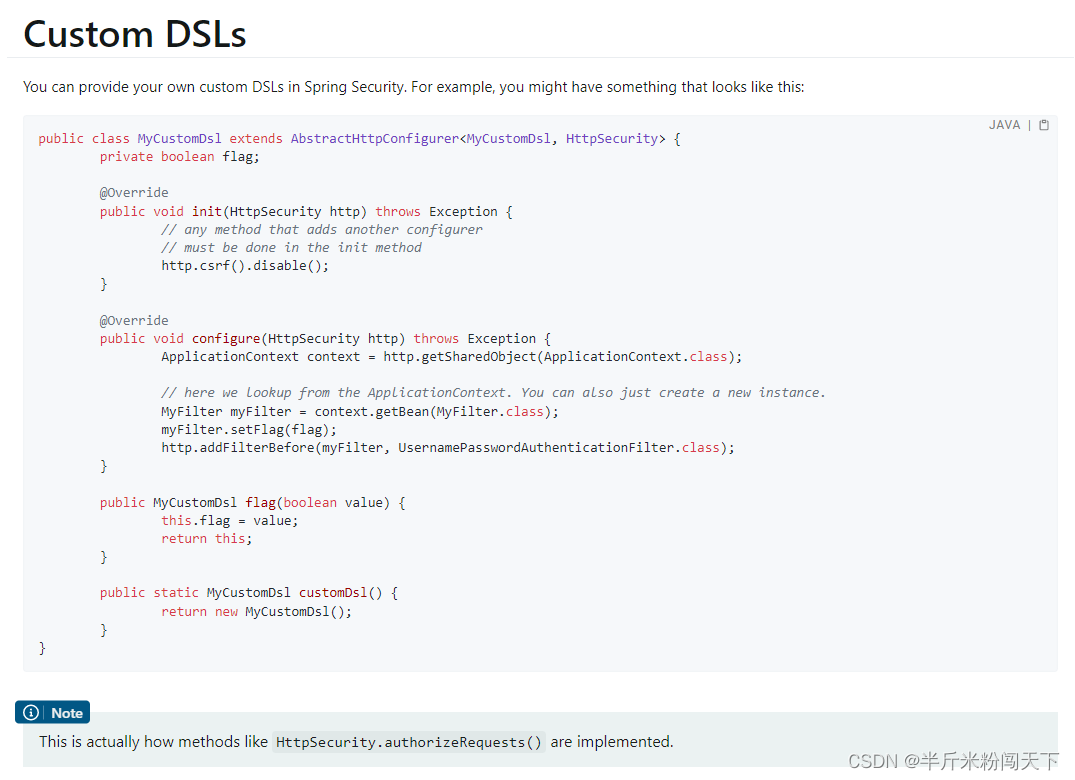
写的非常简练,就是你可以balabala这样定义一个DSL,然后balabala这样使用它,然后还告诉你,
HttpSecurity.authorizeRequests()就是这样实现的。感觉,什么也没说啊?我的AuthenticationManager呢?来都来了,这里面不是继承了一个
AbstractHttpConfigurer吗,管他干啥的先点开看看。一个抽象类,看一下实现吧,这一看了不得,里面有很多类非常熟悉啊。
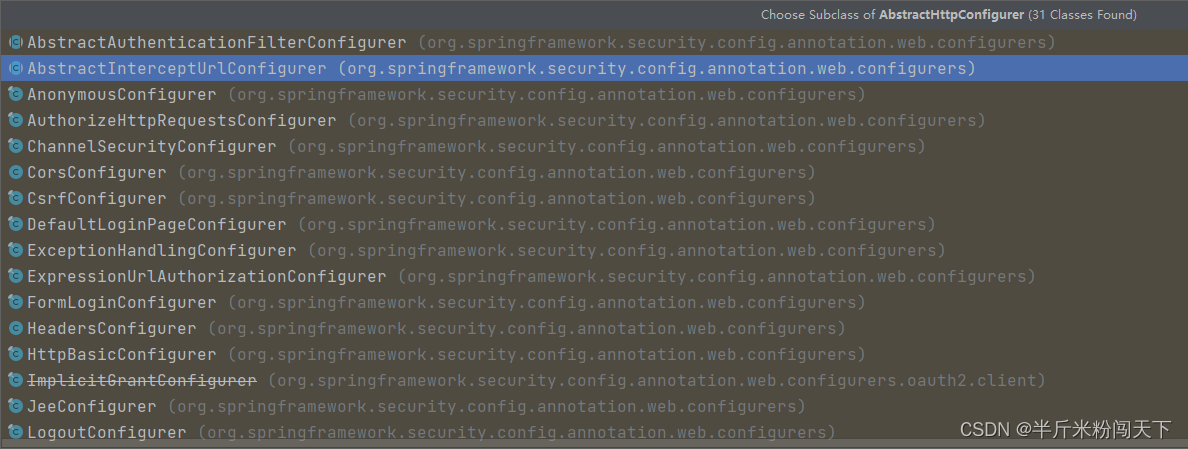
只看名字,大概就能认出来这是
SpringSecurity各种登录方式的默认实现,比如FormLogin,比如HttpBasic,比如OAuth等等,这和我现在要做的验证码、短信登录岂不正好是一样的,那就找一个最简单最贴切的表单登录FormLoginConfigurer来看看吧。
FormLoginConfigurer
先看注释

第一行就说明了这是框架默认的登录页,这个地方在哪用的呢?回头看Security的配置类。

第三行,由于我们要使用自定义的登陆接口,所以上来就把自带的FormLogin关掉了,点进去看看
formLogin()这个方法。

怎么样,正好是我们正在看的
FormLoginConfigurer这个类,说明我们没找错,那就一点一点来啃这个配置类吧。全代码太长,主要是注释占了很大一部分,就不贴完整代码了,捡重要的说。
首先这是FormLoginConfigurer的无参构造器,后两行是在设置用户名和密码,没什么好说的,这个super(new UsernamePasswordAuthenticationFilter(), null)点开看看,先看里面的UsernamePasswordAuthenticationFilter。/** * Creates a new instance * @see HttpSecurity#formLogin() */ public FormLoginConfigurer() { super(new UsernamePasswordAuthenticationFilter(), null); usernameParameter("username"); passwordParameter("password"); } /** * The HTTP parameter to look for the username when performing authentication. Default * is "username". * @param usernameParameter the HTTP parameter to look for the username when * performing authentication * @return the {@link FormLoginConfigurer} for additional customization */ public FormLoginConfigurer<H> usernameParameter(String usernameParameter) { getAuthenticationFilter().setUsernameParameter(usernameParameter); return this; } /** * The HTTP parameter to look for the password when performing authentication. Default * is "password". * @param passwordParameter the HTTP parameter to look for the password when * performing authentication * @return the {@link FormLoginConfigurer} for additional customization */ public FormLoginConfigurer<H> passwordParameter(String passwordParameter) { getAuthenticationFilter().setPasswordParameter(passwordParameter); return this; }- 1
- 2
- 3
- 4
- 5
- 6
- 7
- 8
- 9
- 10
- 11
- 12
- 13
- 14
- 15
- 16
- 17
- 18
- 19
- 20
- 21
- 22
- 23
- 24
- 25
- 26
- 27
- 28
- 29
- 30
- 31
- 32
- 33
点开super后注意我们来到了他的父类
UsernamePasswordAuthenticationFilter中,DEFAULT_ANT_PATH_REQUEST_MATCHER是个常量,里面定义了一个POST /login接口,这也就是SpringSecurity默认登录地址的来源。里面还有个super,继续看。

现在我们又到了新的父类
AbstractAuthenticationProcessingFilter中,乍一看这个构造方法是指做了个校验然后赋值而已,但是这个抽象类的说明非常值得我们一看。


看完这个说明其实我是有一点激动的,感觉已经很接近真相了。因为他明确提到了需要AuthenticationManager来处理验证请求,并且由
attemptAuthentication()方法执行验证。还告诉我们,验证成功的话由AuthenticationSuccessHandler进行处理,验证失败由AuthenticationFailureHandler进行处理。继续向下看,陆续会发现
setAuthenticationManager(AuthenticationManager authenticationManager)、setAuthenticationSuccessHandler(AuthenticationSuccessHandler successHandler)、setAuthenticationFailureHandler(AuthenticationFailureHandler failureHandler)等认证相关的方法,最关键的attemptAuthentication(HttpServletRequest request, HttpServletResponse response)方法是一个抽象方法,需要子类去实现。而authenticationManager恰好也是它的一个成员变量。
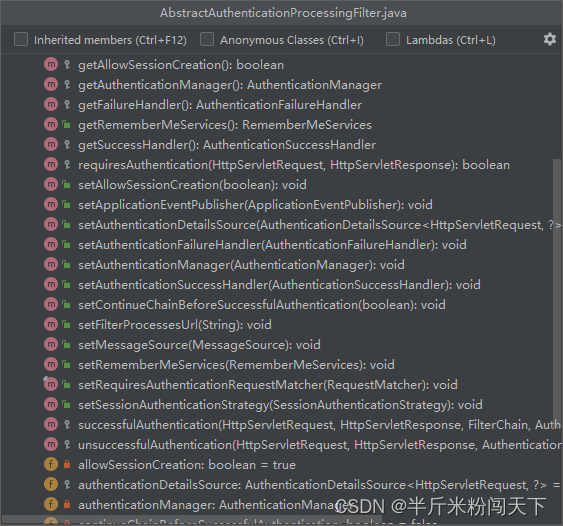
向上回到
UsernamePasswordAuthenticationFilter中,果然发现了重写的attemptAuthentication登录逻辑,熟悉的AuthenticationToken也出现了。感觉这里才是应该做认证的地方,莫非我之前所有的写法都是错误的?

线索逐渐清晰,但还有一个关键的点,即
authenticationManager这个成员变量是哪里来的。虽然有一个以authenticationManager为参数的构造方法,但并没有地方调用,显然不是通过new的方式构造出来的。那只剩下一种可能了:它是通过父类AbstractAuthenticationProcessingFilter的setAuthenticationManager方法注入进去的,那我们就以这个为关键点继续查找。
AbstractAuthenticationFilterConfigurer
查找
setAuthenticationManager方法,发现在外部只有一处调用,点开看看。
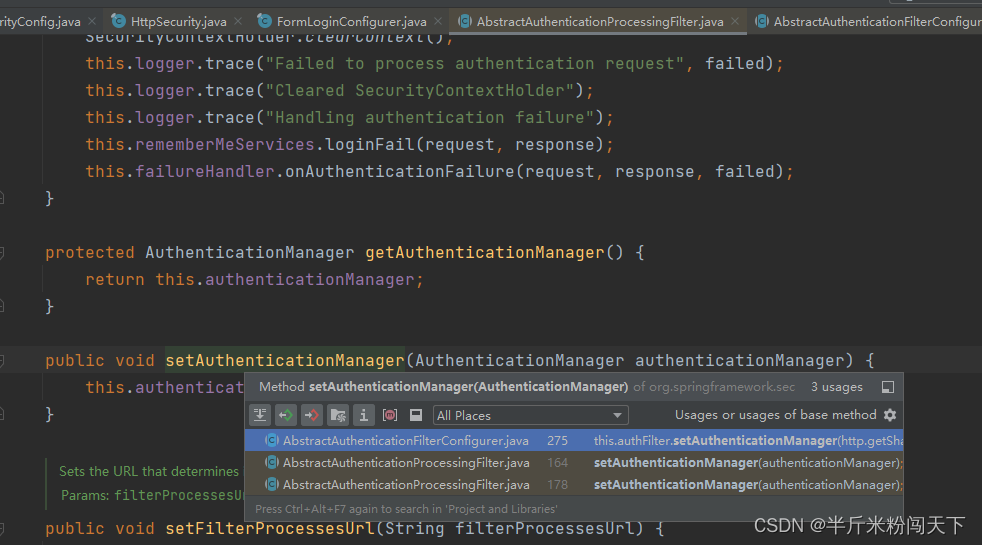
来到了第三个没见过的抽象类
AbstractAuthenticationFilterConfigurer中。这里一目了然,认证需要的三个实体都有了:AuthenticationManager、SuccessHandler、FailHandler。而这个类,又是我们一开始看到的FormLoginConfigurer的父类。

是不是已经晕了?没关系,我看到这里的时候也是晕晕乎乎的,接下来就不放图了,实在是太多了,简单文字整理一下:
UsernamePasswordAuthenticationFilter这是用户名密码模式的登录拦截器,他继承自AbstractAuthenticationProcessingFilter这个抽象类,且实现了里面的attemptAuthentication()认证方法;FormLoginConfigurer创建了一个UsernamePasswordAuthenticationFilter实例,并且继承自AbstractAuthenticationFilterConfigurer,后者继续继承自AbstractHttpConfigurer,又继承了SecurityConfigurerAdapter,里面包含了一些初始化的抽象方法,重点来了! 其中有一个configure(B builder)可以获得HttpSecurity对象。
看看这个关系图,是不是觉得自己不配写Java。。。。。。

到这里,我们可以大胆地猜测一下,
SpringSecurity的设计思路也许并不是 登陆接口放白名单 -> 请求 -> token拦截器 -> 接口 -> 不同登录方式走不同业务 -> 返回 这样,而是每一种登录模式走一套自己的拦截器链,而在这套拦截器链中,SpringSecurity为我们提供了Local AuthenticationManager,这一点可以从AbstractAuthenticationFilterConfigurer的子类中发现端倪。
为什么会这么说,当你多看几个
AbstractAuthenticationFilterConfigurer的子类时,这种感觉会越来越强烈,比如下面的HttpBasicConfigurer。
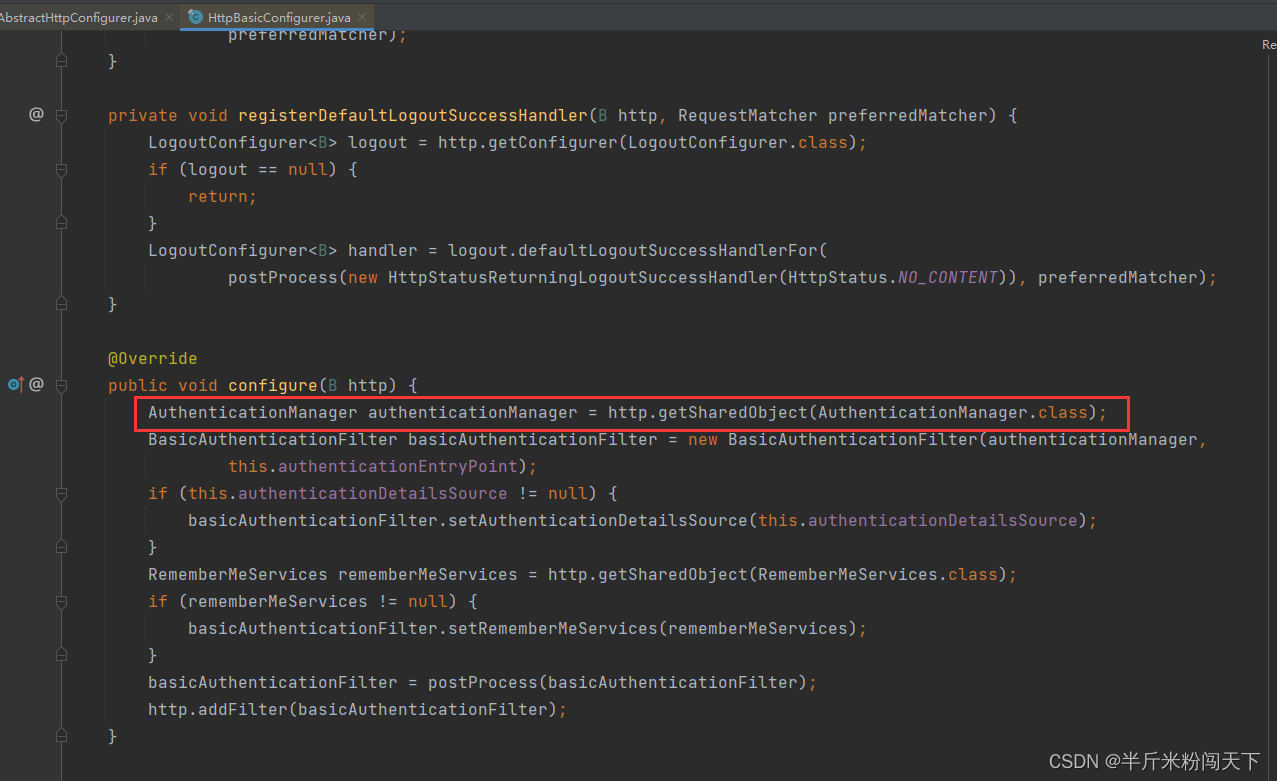
同时,在常规的Filter、Token、Provider之外,还应该有一个Configurer类,专门用于创建Filter实例以及注入
Local AuthenticationManager。
至此,大体思路已然清晰,接下来就上手实践。 -
相关阅读:
C语言结构体(struct)一些常见问题 ⎛⎝≥⏝⏝≤⎛⎝
归并排序,求逆序对
Leetcode151. 反转字符串中的单词
element ui中el-form-item的属性rules的用法
4 个 Linux 技巧让工作效率翻倍
【JavaWeb】ServletContext配置信息
如何解决虚拟仿真教学中的设备限制和卡顿问题?|点量云流技术解决方案
iptables 源地址、目标地址转换
pcan二次开发文档 | PEAK-System Documentation
掌握雅思写作:任务 2(在 7 小时内达到 7+ 级)
- 原文地址:https://blog.csdn.net/u012760435/article/details/126580985
