-
四叉堆在GO中的应用-定时任务timer
堆作为必须掌握的数据结构之一,在众多场景中也得到了广泛的应用。
比较典型的,如java中的优先队列PriorityQueue、算法中的TOP-K问题、最短路径Dijkstra算法等,在这些经典应用中堆都担任着灵魂般的角色。理论基础
binary heap
再一起回忆一下堆的一个性质:堆总是一棵完全二叉树。有些文章中也将堆称为二叉堆(binary heap)。
在堆中,再根据堆顶点为最大值与最小值,分为大顶堆与小顶堆。
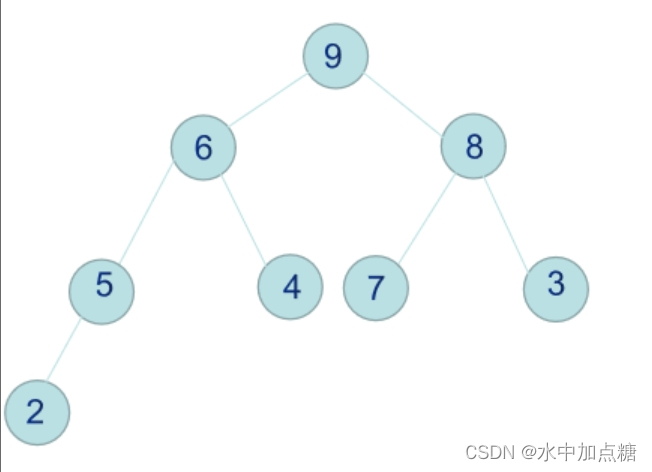

新增一个元素,需要进行sift-up操作,其时间复杂度为O(logN)
构造二叉堆,有两种方式:
- 一种是比较简单的方式:遍历每个元素进行sift-up,其时间复杂度为O(N*logN)
- 另一种是将元素以完全二叉树进行存储,遍历每个非叶子节点自下而上构建子堆,其时间负载度为O(N)
删除堆顶元素,需要对堆末尾元素进行sift-down,其时间复杂度也为O(logN)。
堆排序的过程是在构建好堆后再逐个删除堆顶元素,其时间复杂度O(N+(N-1)*logN),约为O(NlogN)
堆排序整体运行过程动画如下:

d-ary deap
除了二叉堆外,还有三叉堆、四叉堆、五叉堆这些N叉堆,即维基百科中的d-ary heap。
The d-ary heap or d-heap is a priority queue data structure, a generalization of the binary heap in which the nodes have d children instead of 2.

N叉堆与二叉堆进行对比,由于N叉堆树的高度更低,上推(sift-up)过程的时间复杂度是二叉堆的O(logN2)倍,即新增元素时则会更快。
删除堆顶元素时进行sift-down操作,时间复杂度为O(N * log s / log N)。(N为维度,s为堆中节点个数)
在N叉堆中,四叉堆由于综合性能相对稳定在N叉堆中脱颖而出。
测试数据可参考:https://vearne.cc/archives/39627
GO中的应用(time.ticker源码分析)
在有了理论基础后,再看下四叉堆在GO中的应用-timer(定时任务)。
ticker用法
在go项目中,可以使用go自带的time.ticker进行简单的定时任务。示例代码如下:
// 新建一个ticker,定设置周期为1秒 ticker := time.NewTicker(time.Second * 3) // 在一个协程接收ticker的channel回调 go func() { for { <-ticker.C // 周期到达后,输出当前时间 fmt.Println("tick-->", time.Now().String()) } }() time.Sleep(time.Hour)- 1
- 2
- 3
- 4
- 5
- 6
- 7
- 8
- 9
- 10
- 11
输出示例为:
…… tick--> 2023-10-08 21:01:30.1830277 +0800 CST m=+3.009288301 tick--> 2023-10-08 21:01:33.1811243 +0800 CST m=+6.007384901 tick--> 2023-10-08 21:01:36.179331 +0800 CST m=+9.005591601 ……- 1
- 2
- 3
- 4
- 5
以上一个定时任务代码就完成了
ticker结构
以上简短的代码便完成一个定时任务的功能,再来探究一下它的原理。
一个Ticker由两部分组成:
- 一个接收消息的channel
- 一个runtimeTimer结构体
type Ticker struct { C <-chan Time // The channel on which the ticks are delivered. r runtimeTimer } type runtimeTimer struct { pp uintptr when int64 period int64 f func(any, uintptr) // NOTE: must not be closure arg any seq uintptr nextwhen int64 status uint32 }- 1
- 2
- 3
- 4
- 5
- 6
- 7
- 8
- 9
- 10
- 11
- 12
- 13
- 14
- 15
从NewTicker方法入手:
func NewTicker(d Duration) *Ticker { if d <= 0 { panic(errors.New("non-positive interval for NewTicker")) } c := make(chan Time, 1) t := &Ticker{ C: c, r: runtimeTimer{ when: when(d), //下次触发时间 period: int64(d),//运行周期 f: sendTime,//触发时执行的动作 arg: c, }, } startTimer(&t.r)//启动Timer return t } // sendTime does a non-blocking send of the current time on c. func sendTime(c any, seq uintptr) { select { case c.(chan Time) <- Now()://将当前时间发送给等待的channel default://channel缓存区满了,不执行任何操作 } }- 1
- 2
- 3
- 4
- 5
- 6
- 7
- 8
- 9
- 10
- 11
- 12
- 13
- 14
- 15
- 16
- 17
- 18
- 19
- 20
- 21
- 22
- 23
- 24
- 25
以上代码在NewTicker方法中创建了一个Ticker,并调用了startTimer方法。
且runtimeTimer与一个ticker是一对一的关系,用一个堆来存储所有的定时任务,则一个ticker是一个节点。startTimer方法
startTimer在time包下无法找到实现代码,需要在go源码的runtime下查看。

如上图所示,源码在src/runtime/time.go文件中。
// startTimer adds t to the timer heap. // //go:linkname startTimer time.startTimer func startTimer(t *timer) { if raceenabled { racerelease(unsafe.Pointer(t)) } addtimer(t) } // Note: this changes some unsynchronized operations to synchronized operations // addtimer adds a timer to the current P. // This should only be called with a newly created timer. // That avoids the risk of changing the when field of a timer in some P's heap, // which could cause the heap to become unsorted. func addtimer(t *timer) { // when must be positive. A negative value will cause runtimer to // overflow during its delta calculation and never expire other runtime // timers. Zero will cause checkTimers to fail to notice the timer. if t.when <= 0 { throw("timer when must be positive") } if t.period < 0 { throw("timer period must be non-negative") } if t.status.Load() != timerNoStatus { throw("addtimer called with initialized timer") } t.status.Store(timerWaiting) when := t.when // Disable preemption while using pp to avoid changing another P's heap. mp := acquirem() pp := getg().m.p.ptr() lock(&pp.timersLock) cleantimers(pp) doaddtimer(pp, t) unlock(&pp.timersLock) wakeNetPoller(when) releasem(mp) }- 1
- 2
- 3
- 4
- 5
- 6
- 7
- 8
- 9
- 10
- 11
- 12
- 13
- 14
- 15
- 16
- 17
- 18
- 19
- 20
- 21
- 22
- 23
- 24
- 25
- 26
- 27
- 28
- 29
- 30
- 31
- 32
- 33
- 34
- 35
- 36
- 37
- 38
- 39
- 40
- 41
- 42
- 43
- 44
- 45
addtimer方法为关键方法。看懂addtimer的整体方法需要对go中的GMP模型有一定的了解。
G(gorountine协程),M(thread线程),P(processor处理器)
咱们这里仅看主流程,直接看doaddtimer方法。
doaddtimer方法(新增节点)
// doaddtimer adds t to the current P's heap. // The caller must have locked the timers for pp. func doaddtimer(pp *p, t *timer) { // Timers rely on the network poller, so make sure the poller // has started. if netpollInited.Load() == 0 { // netpool如未初始化则进行初始化 netpollGenericInit() } if t.pp != 0 { throw("doaddtimer: P already set in timer") } // 给timer绑定p t.pp.set(pp) i := len(pp.timers) // 将此timer添加到p的timer集合中,放到堆的末尾 pp.timers = append(pp.timers, t) // 堆内新增了元素,进行上推操作在保持堆的特性 siftupTimer(pp.timers, i) if t == pp.timers[0] { pp.timer0When.Store(t.when) } // p的timer计数器加1 pp.numTimers.Add(1) }- 1
- 2
- 3
- 4
- 5
- 6
- 7
- 8
- 9
- 10
- 11
- 12
- 13
- 14
- 15
- 16
- 17
- 18
- 19
- 20
- 21
- 22
- 23
- 24
- 25
- 26
再来详细学习下4叉堆的siftup具体是如何操作的。
siftupTimer方法中的t为堆的所有元素,i为要进行siftup元素的索引,也就是新增的元素索引。siftupTimer方法如下:
func siftupTimer(t []*timer, i int) int { // 判断新增元素的正确性 if i >= len(t) { badTimer() } // 获取出新增元素的具体运行时间 when := t[i].when if when <= 0 { badTimer() } // 新增元素的值 tmp := t[i] for i > 0 { // 获取出新增元素的父节点索引,四叉堆时父节点索引为(i-1)/4 p := (i - 1) / 4 // parent if when >= t[p].when { // 新增元素的运行时间晚于父节点,则无需继续siftup break } // 将原父节点位置往下降一级 t[i] = t[p] // 新增元素的位置往上提升一级 i = p } if tmp != t[i] { // 新增元素的值在最后确定了位置后才赋值,而不是每次都进行交换 t[i] = tmp } return i }- 1
- 2
- 3
- 4
- 5
- 6
- 7
- 8
- 9
- 10
- 11
- 12
- 13
- 14
- 15
- 16
- 17
- 18
- 19
- 20
- 21
- 22
- 23
- 24
- 25
- 26
- 27
- 28
- 29
- 30
runtimer方法(执行/删除节点)
当timer堆中维护好后,就可以准备执行timer堆中的timer了。
此过程为持续从堆顶取出timer,判断timer是否达到了执行的条件(时间、状态),如果条件满足就执行此timer。执行timer的方法为time中的runtimer方法,执行时主要关注runOneTimer方法。源码如下:
func runtimer(pp *p, now int64) int64 { for { // 获取出当前p的堆顶timer t := pp.timers[0] if t.pp.ptr() != pp { throw("runtimer: bad p") } // 对堆顶timer的状态进行判断 switch s := t.status.Load(); s { case timerWaiting: if t.when > now { // Not ready to run. return t.when } if !t.status.CompareAndSwap(s, timerRunning) { // 已在运行,不重复运行 continue } // Note that runOneTimer may temporarily unlock // pp.timersLock. runOneTimer(pp, t, now) return 0 case timerDeleted: if !t.status.CompareAndSwap(s, timerRemoving) { continue } dodeltimer0(pp) if !t.status.CompareAndSwap(timerRemoving, timerRemoved) { badTimer() } pp.deletedTimers.Add(-1) if len(pp.timers) == 0 { return -1 } case timerModifiedEarlier, timerModifiedLater: if !t.status.CompareAndSwap(s, timerMoving) { continue } t.when = t.nextwhen dodeltimer0(pp) doaddtimer(pp, t) if !t.status.CompareAndSwap(timerMoving, timerWaiting) { badTimer() } case timerModifying: // Wait for modification to complete. osyield() case timerNoStatus, timerRemoved: // Should not see a new or inactive timer on the heap. badTimer() case timerRunning, timerRemoving, timerMoving: // These should only be set when timers are locked, // and we didn't do it. badTimer() default: badTimer() } } } // runOneTimer runs a single timer. // The caller must have locked the timers for pp. // This will temporarily unlock the timers while running the timer function. // //go:systemstack func runOneTimer(pp *p, t *timer, now int64) { if raceenabled { ppcur := getg().m.p.ptr() if ppcur.timerRaceCtx == 0 { ppcur.timerRaceCtx = racegostart(abi.FuncPCABIInternal(runtimer) + sys.PCQuantum) } raceacquirectx(ppcur.timerRaceCtx, unsafe.Pointer(t)) } // 取出timer中的function和参数 f := t.f arg := t.arg seq := t.seq if t.period > 0 { // tick类型的timer,以实际运行时间和固定周期计算出下次运行时间 // Leave in heap but adjust next time to fire. delta := t.when - now t.when += t.period * (1 + -delta/t.period) if t.when < 0 { // check for overflow. t.when = maxWhen } // siftdown堆顶节点,重新调整堆 siftdownTimer(pp.timers, 0) if !t.status.CompareAndSwap(timerRunning, timerWaiting) { badTimer() } updateTimer0When(pp) } else { // 非tick类型的timer,执行删除 // Remove from heap. dodeltimer0(pp) if !t.status.CompareAndSwap(timerRunning, timerNoStatus) { badTimer() } } if raceenabled { // Temporarily use the current P's racectx for g0. gp := getg() if gp.racectx != 0 { throw("runOneTimer: unexpected racectx") } gp.racectx = gp.m.p.ptr().timerRaceCtx } unlock(&pp.timersLock) // 执行timer的function和参数 f(arg, seq) lock(&pp.timersLock) if raceenabled { gp := getg() gp.racectx = 0 } }- 1
- 2
- 3
- 4
- 5
- 6
- 7
- 8
- 9
- 10
- 11
- 12
- 13
- 14
- 15
- 16
- 17
- 18
- 19
- 20
- 21
- 22
- 23
- 24
- 25
- 26
- 27
- 28
- 29
- 30
- 31
- 32
- 33
- 34
- 35
- 36
- 37
- 38
- 39
- 40
- 41
- 42
- 43
- 44
- 45
- 46
- 47
- 48
- 49
- 50
- 51
- 52
- 53
- 54
- 55
- 56
- 57
- 58
- 59
- 60
- 61
- 62
- 63
- 64
- 65
- 66
- 67
- 68
- 69
- 70
- 71
- 72
- 73
- 74
- 75
- 76
- 77
- 78
- 79
- 80
- 81
- 82
- 83
- 84
- 85
- 86
- 87
- 88
- 89
- 90
- 91
- 92
- 93
- 94
- 95
- 96
- 97
- 98
- 99
- 100
- 101
- 102
- 103
- 104
- 105
- 106
- 107
- 108
- 109
- 110
- 111
- 112
- 113
- 114
- 115
- 116
- 117
- 118
- 119
- 120
- 121
- 122
- 123
- 124
- 125
- 126
- 127
在删除堆顶节点时执行的是siftdownTimer方法。其源码如下:
// siftdownTimer puts the timer at position i in the right place // in the heap by moving it down toward the bottom of the heap. func siftdownTimer(t []*timer, i int) { n := len(t) if i >= n { badTimer() } // 获取出要调整节点的执行时间 when := t[i].when if when <= 0 { badTimer() } tmp := t[i] for { // c为调整节点的最左子节点,从左往右第1个 c := i*4 + 1 // left child // c3为调整节点的中间节点,从左往右第3个 c3 := c + 2 // mid child if c >= n { break } // 最左子节点的下次执行时间 w := t[c].when // 左边第2个节点的执行时间比最左子节点执行时间更先执行 if c+1 < n && t[c+1].when < w { // 左边部分timer排序交换,最先执行的排左边 w = t[c+1].when c++ } // 判断中间节点是否存在 if c3 < n { // 中间子节点的timer执行时间 w3 := t[c3].when if c3+1 < n && t[c3+1].when < w3 { // 同上,将最先执行的往左排 w3 = t[c3+1].when c3++ } // 子节点整体做对比,左侧与右侧对比 if w3 < w { // 将最先执行的放在左边 w = w3 c = c3 } } if w >= when { // 堆已调整完毕 break } // 将最左的子节点向上升一级 t[i] = t[c] // 原i向下降一级 i = c } if tmp != t[i] { // 将siftdown节点调整到最终确定的位置 t[i] = tmp } }- 1
- 2
- 3
- 4
- 5
- 6
- 7
- 8
- 9
- 10
- 11
- 12
- 13
- 14
- 15
- 16
- 17
- 18
- 19
- 20
- 21
- 22
- 23
- 24
- 25
- 26
- 27
- 28
- 29
- 30
- 31
- 32
- 33
- 34
- 35
- 36
- 37
- 38
- 39
- 40
- 41
- 42
- 43
- 44
- 45
- 46
- 47
- 48
- 49
- 50
- 51
- 52
- 53
- 54
- 55
- 56
- 57
- 58
- 59
某一个timer运行时,会判断此timer是否为周期性timer,周期性timer会将堆顶节点进行移除,再计算出下次执行时间,并使用sift-down将此timer下沉到适当的位置,以整体满足堆的特性。
dodeltimer0(临时性timer)
从runOneTimer方法中可以看到有两个分支,分别为:
- timer有period(周期性定时任务类型)
- timer无period(仅计时类型)
前面看的siftdownTimer是周期性定时任务会执行的方法。如果为临时性定时任务,如倒计时或time.sleep场景中,则最终运行的为dodeltimer0方法。
源码如下:
// dodeltimer0 removes timer 0 from the current P's heap. // We are locked on the P when this is called. // It reports whether it saw no problems due to races. // The caller must have locked the timers for pp. func dodeltimer0(pp *p) { if t := pp.timers[0]; t.pp.ptr() != pp { throw("dodeltimer0: wrong P") } else { t.pp = 0 } // 获取到堆中的最后一个节点 last := len(pp.timers) - 1 if last > 0 { // 最后一个节点放到堆顶 pp.timers[0] = pp.timers[last] } // 删除堆中的原末尾节点 pp.timers[last] = nil pp.timers = pp.timers[:last] if last > 0 { // 对放到堆顶的原末尾节点进行siftdown操作 siftdownTimer(pp.timers, 0) } // 更新timer集合 updateTimer0When(pp) n := pp.numTimers.Add(-1) if n == 0 { // If there are no timers, then clearly none are modified. pp.timerModifiedEarliest.Store(0) } }- 1
- 2
- 3
- 4
- 5
- 6
- 7
- 8
- 9
- 10
- 11
- 12
- 13
- 14
- 15
- 16
- 17
- 18
- 19
- 20
- 21
- 22
- 23
- 24
- 25
- 26
- 27
- 28
- 29
- 30
- 31
从源码可以看出,当临时性timer触发后会将此节点删除不会再次入堆。这个过程咱们所了解的常规堆排序的过程是一致的,只是这里用的是四叉堆堆排序中用的是二叉堆。
proc.checkTimers(运行检测)
前面所提到的持续从堆顶取timer,并判断是否满足执行条件的步骤在proc.checkTimers方法中,也就是它才是timer执行的入口。此方法的上层调度可通过跟踪源码查看到,后期再详细深入探究。
timer与robfig/cron对比
由于参与的GO项目中有常看到另一个框架https://github.com/robfig/cron,看着源码不太多就浅浅看了下,总结出以下几点:
- cron是基于timer开发的,底层内部仍是使用的timer
- cron支持的任务最小周期为秒,timer的最小周期无限制
- cron中的某一任务是可能并行运行的,而timer.tick中的同一任务不会出现同时运行的情况
比较关键的点为第3点,具体选择时看具体的应用场景
总结
- 在数据量不太大的情况下,四叉堆的综合性能比二叉堆更优
- GO中time.timer和time.tick是使用四叉堆实现的
- time.tick的任务每次运行后会重新入堆,time.timer的任务每次运行后会从堆顶删除
-
相关阅读:
latex:表格(包含表格标题)实例
【Java】涉及到GUI、JAVASE、网络编程、多线程、数据库的聊天系统,非常适合大学Java课程的练手
通过 js 给元素添加动画样式animation属性 ,以及 perspective 属性探究
Selenium打开页面,出现弹窗需要登录账号密码,怎么解决?
微服务拆分的思考
【数据结构初阶】双链表
05_不同路径2(带障碍物版)
Servlet
【面经】联想大数据开发面经
【性能优化】聊聊性能优化那些事
- 原文地址:https://blog.csdn.net/puhaiyang/article/details/133845588
