-
让我们进入面向对象的世界(四)
前言
前面我们讲过了,面向对象继承的特性,下面我们会根据多态来展开讨论,还是用熟悉的方式,让大家去了解这个疯狂的东西。
一. 初始多态
1.1 多态是什么
多态的概念:通俗来说,就是多种形态,具体点就是去完成某个行为,当不同的对象去完成时会产生出不同 的状态。
听起来你会觉得很奇怪,当我们去调用不同对象的时候,我们会产生不同的行为,举例子来说这里有一个打印机,然后我们打印东西,可以打黑白的,也可以打彩色的,明明同样是打印机,但我们根据不同的状态,调用同一个方法,可能呈现的行为是不一样的。1.2 多态是怎么工作
说实话哈,如果要看多态是怎么工作的,我们就要从对象的引用和声明,创建对象的方法开始,为什么这么说呢?大家看我下面的操作就知道了。
//这里我声明一个狗对象 Dog mydog =new Dog();- 1
- 2
- 3
它实际上在做了一个什么样操作呢?看下面的图,你就明白了。

然后我这里这么写代码,记住我这样写,是因为在多态中,引用和对象可以是不同的类型
Animal animal=new Dog(); //这编译是能够通过的。- 1
- 2
- 3
在这句代码中,究竟发生了什么呢?现在让我们来看看。

其实这里就说明了一个问题,就是我们在使用多态时,引用类型是实际对象类的父类
大家如果还是对多态机制懵懵懂懂的,我们直接上来写一个简单的例子,这个例子就是简单的三个类,Animal、Dog、Cat类,就用这个例子,来讲明白多态。
public class Animal { String picture;//动物图像的名称 String food;//动物所吃的食物 int hunger;//代表饥饿程度的值,根据动物吃了多少来定义 int boundaries;//动物活动的区域 double location;//动物活动区域的X与Y的坐标 public Animal(){ } public Animal(String picture, String food, int hunger, int boundaries, double location) { this.picture = picture; this.food = food; this.hunger = hunger; this.boundaries = boundaries; this.location = location; } public void makeNoise(){ //动物发出的声音 System.out.println(picture+"发声音"); } public void eat(){ //吃东西 } public void sleep(){ //睡眠 } public void roam(){ //其他的行为 } }- 1
- 2
- 3
- 4
- 5
- 6
- 7
- 8
- 9
- 10
- 11
- 12
- 13
- 14
- 15
- 16
- 17
- 18
- 19
- 20
- 21
- 22
- 23
- 24
- 25
- 26
- 27
- 28
- 29
- 30
- 31
- 32
- 33
- 34
public class Cat extends Animal{ public Cat() { super(); } public Cat(String picture, String food, int hunger, int boundaries, double location){ super(picture,food,hunger,boundaries,location); } @Override public void makeNoise() { System.out.println(picture+"喵喵叫"); } @Override public void eat() { System.out.println(picture+"吃鱼"); } }- 1
- 2
- 3
- 4
- 5
- 6
- 7
- 8
- 9
- 10
- 11
- 12
- 13
- 14
- 15
- 16
- 17
- 18
- 19
- 20
- 21
- 22
public class Dog extends Animal{ public Dog() { super(); } public Dog(String picture, String food, int hunger, int boundaries, double location){ super(picture,food,hunger,boundaries,location); } @Override public void makeNoise() { System.out.println(picture+"汪汪叫"); } @Override public void eat() { System.out.println(picture+"啃骨头"); } }- 1
- 2
- 3
- 4
- 5
- 6
- 7
- 8
- 9
- 10
- 11
- 12
- 13
- 14
- 15
- 16
- 17
- 18
- 19
- 20
- 21
- 22
上面就是我们定义好的三个类,我们现在在main方法中进行不同的操作,看看会发生什么。
Animal animal2=new Dog(); animal2.picture="旺财"; animal2.eat();- 1
- 2
- 3
运行结果:
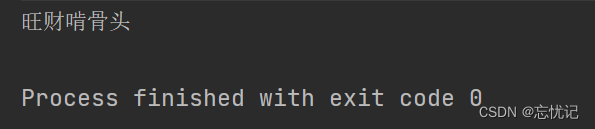
实际上,我们去调试的时候,我们去发现这个annimal的引用实际上是指向了dog对象的。

这里实际上说明了一个观点。
当你声明一个引用变量时,任何对该引用变量类型可通过IS-A测试的对象都可以被赋值给该引用。换句话说,任何extends过声明引用变量类型的对象都可以被赋值给这个引用变量。这样子你就可以做出多态数组这一类的东西。
相信大家对多态的印象又多了了一分,接下来,我们会接触到多态的向上转型和向下转型。1.3多态的向上转型和向下转型
可能大家对于多态还是非常陌生,我也知道大家很难理解,我这里之所以引入这个东西,大家也不要在意,语法是语法,后面有实际的例子,当大家进行一个综合例子之后,就能慢慢理解多态了。
向上转型
我简单来理解,向上转型就等同于数据类型中的自动类型转换,感觉上是差不多的。/* Animal 和 Dog 类 是父与子的关系 */ Animal aniaml=new Dog();//这里就发生了向上转型。 //语法就是这么简单,没什么复杂度,难得是运用- 1
- 2
- 3
- 4
- 5
- 6
这里我也举一个实际的例子,让大家体验一下,向上转型的语法
我们有三个类Animal、dog、cat类,类如下:
这里我是把三个类写到一起的,方便给你们观看的。public class Animal { String name; String age; public void Play(){ System.out.println(name+"玩耍"); } public void Eat(){ System.out.println(name+"吃东西"); } public void sleep(){ System.out.println(name+"睡觉"); } } public class Dog extends Animal{ public void Eat(){ System.out.println(name+"啃骨头"); } } public class Cat extends Animal{ public void Eat(){ System.out.println(name+"吃鱼鱼!!"); } }- 1
- 2
- 3
- 4
- 5
- 6
- 7
- 8
- 9
- 10
- 11
- 12
- 13
- 14
- 15
- 16
- 17
- 18
- 19
- 20
- 21
- 22
- 23
- 24
- 25
- 26
我们接下来要做一个什么事情呢?就是我们使用不同的对象调用,会产生不同的动作。我会用俩种方式,一种是使用多态,一种是不使用多态,去进行。
不使用多态的话,我们就要使用if条件去判断是否是一个东西,然后根据这个不同的对象,去输出行为。
public class Test { public static void xingwei1(){ Cat cat =new Cat(); cat.name="猜猜"; Dog dog=new Dog(); dog.name="旺财"; String[] animals={"dog","cat"}; for (String a:animals){ if (a.equals("dog")){ dog.eat(); }else if (a.equals("cat")){ cat.eat(); } } } public static void main(String[] args) { xingwei1(); } }- 1
- 2
- 3
- 4
- 5
- 6
- 7
- 8
- 9
- 10
- 11
- 12
- 13
- 14
- 15
- 16
- 17
- 18
- 19
- 20
使用多态的向上转型后,代码稍稍做了一些修改,但也不难理解。
public static void xingwei2(){ Cat cat =new Cat(); cat.name="猜猜"; Dog dog =new Dog(); dog.name="旺财"; Animal[] animal1={cat,dog};//这里就是用了,多态 for (Animal s:animal1) { s.eat(); } } public static void main(String[] args) { // xingwei(); xingwei2(); } }- 1
- 2
- 3
- 4
- 5
- 6
- 7
- 8
- 9
- 10
- 11
- 12
- 13
- 14
- 15
- 16
- 17
这里你就可以看出,多态的向上转型,可以让代码变得异常灵活了。
** 向下转型**
我的理解是向下转型跟数据类型的强制类型转换差不多,大家大致来看一看语法机制,你就明白了。Cat cat =new Cat(); Animal animal=new Dog(); //此时aniaml是狗,不可能是猫,此时我们就需要向下转型 cat=(Cat) animal; cat.eat();- 1
- 2
- 3
- 4
- 5
但向下转型存在一个问题哈,你用常规性的思维思考一下,狗怎么会变成猫呢?这完全就是不符合常理,你不信的话,你运行一下,你就会看到如下警报

因此,我们有时候,在向下转型的时候,会运用一个关键字,instanof,去判断是否合法Cat cat =new Cat(); Dog dog =new Dog(); Animal animal = cat; //此时aniaml是狗,不可能是猫,此时我们就需要向下转型 if(animal instanceof Cat){ cat = (Cat)animal; cat.eat(); } if(animal instanceof Dog){ dog = (Dog)animal; dog.eat(); }- 1
- 2
- 3
- 4
- 5
- 6
- 7
- 8
- 9
- 10
- 11
- 12
- 13
好了好了,同志们,看了这么久的多态以后。我们来进行一个综合例子,去观察观察,多态的好处。
二.多态的好处
大家都知道打印图形的例子吧,我们操作一个对象进行不同的行为。还是来两种方式,一种用多态的方式和一种用多态的方式,
2.1不用多态的方式
class Shape { public void draw() { System.out.println("画图形!"); } } class Rect extends Shape { @Override public void draw() { System.out.println("画矩形!"); } } class Cycle extends Shape { @Override public void draw() { System.out.println("画圆!"); } } public class TestMain(){ public static void drawMap() { Rect rect = new Rect(); Cycle cycle = new Cycle(); Flower flower = new Flower(); //cycle rect cycle rect flower String[] shapes = {"cycle", "rect", "cycle", "rect", "flower"}; for (String s : shapes) { if(s.equals("cycle")) { cycle.draw(); }else if(s.equals("rect")) { rect.draw(); } } public static void main(String[] args) { drawMap(); } }- 1
- 2
- 3
- 4
- 5
- 6
- 7
- 8
- 9
- 10
- 11
- 12
- 13
- 14
- 15
- 16
- 17
- 18
- 19
- 20
- 21
- 22
- 23
- 24
- 25
- 26
- 27
- 28
- 29
- 30
- 31
- 32
- 33
- 34
- 35
- 36
- 37
- 38
- 39
- 40
使用多态的版本
public static void drawMap() { Shape rect = new Rect(); Shape cycle = new Cycle(); Shape flower = new Flower(); Shape[] shapes = {cycle,rect,cycle,rect}; //int[] array = {1,2,3,4}; for(Shape shape : shapes) { shape.draw(); } } public static void main(String[] args) { drawMap(); }- 1
- 2
- 3
- 4
- 5
- 6
- 7
- 8
- 9
- 10
- 11
- 12
- 13
- 14
- 15
看了上面的俩个例子香型你们已经大概理解多态的机制。
三.总结
通过多态,你就可以编写出引进新型子类时也不必修改的程序。
这可能,有些简短了,但事实就是这样。
又到了,跟大家说再见的时候了,下一次我们将带大家深入多态,了解抽象类和接口 -
相关阅读:
【红外图像】利用红外图像处理技术对不同制冷剂充装的制冷系统进行性能评估(Matlab代码实现)
【MicroPython RP2040】通过ADC调节PWM输出示例
华为OD机考算法题:机器人活动区域
深入了解Vue.js框架:构建现代化的用户界面
Gif裁剪工具如何操作?教你三步快速裁剪gif动图
C Primer Plus(6) 中文版 第7章 C控制语句:分支和跳转 7.3 逻辑运算符
el-input-number 添加单位
微信小程序配置
day05_流程控制语句
网络安全(黑客)自学
- 原文地址:https://blog.csdn.net/qq_45726327/article/details/128040025
