-
LeetCode 513找树左下角的值 112路径总和113路径总和ii 106从中序与后序遍历序列构造二叉树
513找树左下角的值
给定一个二叉树的 根节点
root,请找出该二叉树的 最底层 最左边 节点的值。假设二叉树中至少有一个节点。
示例 1:

输入: root = [2,1,3] 输出: 1- 1
- 2
示例 2:

输入: [1,2,3,4,null,5,6,null,null,7] 输出: 7- 1
- 2
提示:
- 二叉树的节点个数的范围是
[1,104] -231 <= Node.val <= 231 - 1
c++ 代码实现
/** * Definition for a binary tree node. * struct TreeNode { * int val; * TreeNode *left; * TreeNode *right; * TreeNode() : val(0), left(nullptr), right(nullptr) {} * TreeNode(int x) : val(x), left(nullptr), right(nullptr) {} * TreeNode(int x, TreeNode *left, TreeNode *right) : val(x), left(left), right(right) {} * }; */ class Solution { public: // maxDepth用来记录最大深度,result记录最大深度最左节点的数值。 int maxDepth = -1; int result = 0; void leftVal(TreeNode * node, int depth) { if (node->left == nullptr && node->right == nullptr) { // 最底层:最大深度。 if (depth > maxDepth) { maxDepth = depth; result = node->val; } return; } if (node->left) { leftVal(node->left, depth + 1); // depth + 1 隐藏了回溯 } if (node->right) { leftVal(node->right, depth + 1); // 隐藏了回溯 } } int findBottomLeftValue(TreeNode* root) { leftVal(root, 0); return result; } };- 1
- 2
- 3
- 4
- 5
- 6
- 7
- 8
- 9
- 10
- 11
- 12
- 13
- 14
- 15
- 16
- 17
- 18
- 19
- 20
- 21
- 22
- 23
- 24
- 25
- 26
- 27
- 28
- 29
- 30
- 31
- 32
- 33
- 34
- 35
- 36
- 37
- 38
python 代码实现
# Definition for a binary tree node. # class TreeNode: # def __init__(self, val=0, left=None, right=None): # self.val = val # self.left = left # self.right = right class Solution: def __init__(self): self.max_depth = -1 self.result = 0 def leftVal(self, node, depth): # 停止条件 if not node.left and not node.right: if depth > self.max_depth: self.max_depth = depth self.result = node.val # 单次遍历 if node.left: self.leftVal(node.left, depth + 1) if node.right: self.leftVal(node.right, depth + 1) def findBottomLeftValue(self, root: Optional[TreeNode]) -> int: self.leftVal(root, 0) return self.result- 1
- 2
- 3
- 4
- 5
- 6
- 7
- 8
- 9
- 10
- 11
- 12
- 13
- 14
- 15
- 16
- 17
- 18
- 19
- 20
- 21
- 22
- 23
- 24
- 25
- 26
- 27
112路径总和
给你二叉树的根节点
root和一个表示目标和的整数targetSum。判断该树中是否存在 根节点到叶子节点 的路径,这条路径上所有节点值相加等于目标和targetSum。如果存在,返回true;否则,返回false。叶子节点 是指没有子节点的节点。
示例 1:

输入:root = [5,4,8,11,null,13,4,7,2,null,null,null,1], targetSum = 22 输出:true 解释:等于目标和的根节点到叶节点路径如上图所示。- 1
- 2
- 3
示例 2:
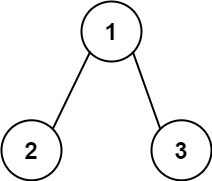
输入:root = [1,2,3], targetSum = 5 输出:false 解释:树中存在两条根节点到叶子节点的路径: (1 --> 2): 和为 3 (1 --> 3): 和为 4 不存在 sum = 5 的根节点到叶子节点的路径。- 1
- 2
- 3
- 4
- 5
- 6
示例 3:
输入:root = [], targetSum = 0 输出:false 解释:由于树是空的,所以不存在根节点到叶子节点的路径。- 1
- 2
- 3
提示:
- 树中节点的数目在范围
[0, 5000]内 -1000 <= Node.val <= 1000-1000 <= targetSum <= 1000
c++ 代码实现
/** * Definition for a binary tree node. * struct TreeNode { * int val; * TreeNode *left; * TreeNode *right; * TreeNode() : val(0), left(nullptr), right(nullptr) {} * TreeNode(int x) : val(x), left(nullptr), right(nullptr) {} * TreeNode(int x, TreeNode *left, TreeNode *right) : val(x), left(left), right(right) {} * }; */ class Solution { public: // 递归三部曲 bool pathSum(TreeNode * root, int count) { // 停止条件, 两边都为空时,已经到节点末尾 if (root->left == nullptr && root->right == nullptr && count == 0) { return true; } if (root->left == nullptr && root->right == nullptr) { return false; } if (root->left) { count -= root->left->val; // 计算 if (pathSum(root->left, count)) { return true; } count += root->left->val; // 回溯 } if (root->right) { count -= root->right->val; if (pathSum(root->right, count)){ return true; } count += root->right->val; } return false; } bool hasPathSum(TreeNode* root, int targetSum) { if (root == nullptr) return false; return pathSum(root, targetSum - root->val); } };- 1
- 2
- 3
- 4
- 5
- 6
- 7
- 8
- 9
- 10
- 11
- 12
- 13
- 14
- 15
- 16
- 17
- 18
- 19
- 20
- 21
- 22
- 23
- 24
- 25
- 26
- 27
- 28
- 29
- 30
- 31
- 32
- 33
- 34
- 35
- 36
- 37
- 38
- 39
- 40
- 41
- 42
- 43
- 44
- 45
- 46
- 47
- 48
- 49
python 代码实现
# Definition for a binary tree node. # class TreeNode: # def __init__(self, val=0, left=None, right=None): # self.val = val # self.left = left # self.right = right class Solution: def pathSum(self, root, count): if not root.left and not root.right and count == 0: return True if not root.left and not root.right: return False if root.left: count -= root.left.val if self.pathSum(root.left, count): return True count += root.left.val if root.right: count -= root.right.val if self.pathSum(root.right, count): return True count += root.right.val return False def hasPathSum(self, root: Optional[TreeNode], targetSum: int) -> bool: if not root: return False return self.pathSum(root, targetSum - root.val)- 1
- 2
- 3
- 4
- 5
- 6
- 7
- 8
- 9
- 10
- 11
- 12
- 13
- 14
- 15
- 16
- 17
- 18
- 19
- 20
- 21
- 22
- 23
- 24
- 25
- 26
- 27
- 28
- 29
- 30
113路径总和ii
给你二叉树的根节点
root和一个整数目标和targetSum,找出所有 从根节点到叶子节点 路径总和等于给定目标和的路径。叶子节点 是指没有子节点的节点。
示例 1:
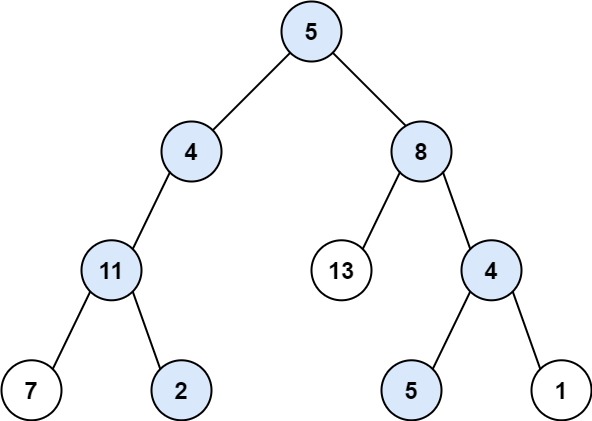
输入:root = [5,4,8,11,null,13,4,7,2,null,null,5,1], targetSum = 22 输出:[[5,4,11,2],[5,8,4,5]]- 1
- 2
示例 2:
输入:root = [1,2,3], targetSum = 5 输出:[]- 1
- 2
示例 3:
输入:root = [1,2], targetSum = 0 输出:[]- 1
- 2
提示:
- 树中节点总数在范围
[0, 5000]内 -1000 <= Node.val <= 1000-1000 <= targetSum <= 1000
c++代码实现
/** * Definition for a binary tree node. * struct TreeNode { * int val; * TreeNode *left; * TreeNode *right; * TreeNode() : val(0), left(nullptr), right(nullptr) {} * TreeNode(int x) : val(x), left(nullptr), right(nullptr) {} * TreeNode(int x, TreeNode *left, TreeNode *right) : val(x), left(left), right(right) {} * }; */ class Solution { public: vector<vector<int>> result; vector<int> path; void resultSum(TreeNode * root, int count) { if (root->left == nullptr && root->right == nullptr && count == 0) { result.push_back(path); return; } if (root->left == nullptr && root->right == nullptr) { return; } if (root->left) { path.push_back(root->left->val); count -= root->left->val; resultSum(root->left, count); count += root->left->val; path.pop_back(); } if (root->right) { path.push_back(root->right->val); count -= root->right->val; resultSum(root->right, count); count += root->right->val; path.pop_back(); } } vector<vector<int>> pathSum(TreeNode* root, int targetSum) { if (root == nullptr) { return result; } path.push_back(root->val); resultSum(root, targetSum - root->val); return result; } };- 1
- 2
- 3
- 4
- 5
- 6
- 7
- 8
- 9
- 10
- 11
- 12
- 13
- 14
- 15
- 16
- 17
- 18
- 19
- 20
- 21
- 22
- 23
- 24
- 25
- 26
- 27
- 28
- 29
- 30
- 31
- 32
- 33
- 34
- 35
- 36
- 37
- 38
- 39
- 40
- 41
- 42
- 43
- 44
- 45
- 46
- 47
- 48
- 49
- 50
- 51
python 代码实现
# Definition for a binary tree node. # class TreeNode: # def __init__(self, val=0, left=None, right=None): # self.val = val # self.left = left # self.right = right class Solution: def __init__(self): self.result = [] self.path = [] def resultSum(self, root, count): if not root.left and not root.right and count == 0: self.result.append(self.path[:]) return if not root.left and not root.right: return if root.left: self.path.append(root.left.val) count -= root.left.val self.resultSum(root.left, count) count += root.left.val self.path.remove(root.left.val) if root.right: self.path.append(root.right.val) count -= root.right.val self.resultSum(root.right, count) count += root.right.val self.path.remove(root.right.val) def pathSum(self, root: Optional[TreeNode], targetSum: int) -> List[List[int]]: if not root: return self.result self.path.append(root.val) self.resultSum(root, targetSum - root.val) return self.result- 1
- 2
- 3
- 4
- 5
- 6
- 7
- 8
- 9
- 10
- 11
- 12
- 13
- 14
- 15
- 16
- 17
- 18
- 19
- 20
- 21
- 22
- 23
- 24
- 25
- 26
- 27
- 28
- 29
- 30
- 31
- 32
- 33
- 34
- 35
- 36
- 37
- 38
- 39
106从中序与后序遍历序列构造二叉树
给定两个整数数组
inorder和postorder,其中inorder是二叉树的中序遍历,postorder是同一棵树的后序遍历,请你构造并返回这颗 二叉树 。示例 1:
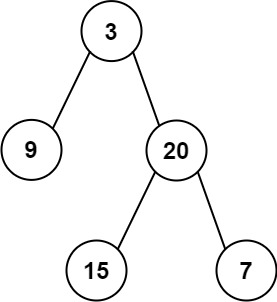
输入:inorder = [9,3,15,20,7], postorder = [9,15,7,20,3] 输出:[3,9,20,null,null,15,7]- 1
- 2
示例 2:
输入:inorder = [-1], postorder = [-1] 输出:[-1]- 1
- 2
提示:
-
1 <= inorder.length <= 3000 -
postorder.length == inorder.length -
-3000 <= inorder[i], postorder[i] <= 3000 -
inorder和postorder都由 不同 的值组成 -
postorder中每一个值都在inorder中 -
inorder保证是树的中序遍历 -
postorder保证是树的后序遍历 -
第一步:如果数组大小为零的话,说明是空节点了。
-
第二步:如果不为空,那么取后序数组最后一个元素作为节点元素。
-
第三步:找到后序数组最后一个元素在中序数组的位置,作为切割点
-
第四步:切割中序数组,切成中序左数组和中序右数组 (顺序别搞反了,一定是先切中序数组)
-
第五步:切割后序数组,切成后序左数组和后序右数组
-
第六步:递归处理左区间和右区间
c++代码实现
/** * Definition for a binary tree node. * struct TreeNode { * int val; * TreeNode *left; * TreeNode *right; * TreeNode() : val(0), left(nullptr), right(nullptr) {} * TreeNode(int x) : val(x), left(nullptr), right(nullptr) {} * TreeNode(int x, TreeNode *left, TreeNode *right) : val(x), left(left), right(right) {} * }; */ class Solution { public: TreeNode* help(vector<int>& inorder, vector<int>& postorder) { // 后序是否为空 if (postorder.size() == 0) return nullptr; // 后序遍历数组最后一个元素,就是当前的中间节点 int rootVal = postorder[postorder.size() - 1]; TreeNode * node = new TreeNode(rootVal); // 叶子节点 if (postorder.size() == 1) return node; // 找到中序遍历的切割点 int index; for (index = 0; index < inorder.size(); index++){ if (inorder[index] == rootVal) break; } // 切割中序数组 vector<int> leftInorder(inorder.begin(), inorder.begin() + index); // +1 中序的根节点,直接删除了,不需要 vector<int> rightInorder(inorder.begin() + index + 1, inorder.end()); // 删除,舍弃后序末尾 postorder.resize(postorder.size() - 1); // 切割后序数组 // 已上面左中序数组的大小,为切割点,中序和后序数组大小一致。 vector<int> leftPostorder(postorder.begin(), postorder.begin() + leftInorder.size()); vector<int> rightPostorder(postorder.begin() + leftInorder.size(), postorder.end()); // 递归处理左区间,右区间 node->left = help(leftInorder, leftPostorder); node->right = help(rightInorder, rightPostorder); return node; } TreeNode* buildTree(vector<int>& inorder, vector<int>& postorder) { if (inorder.size() == 0 || postorder.size() == 0){ return nullptr; } return help(inorder, postorder); } };- 1
- 2
- 3
- 4
- 5
- 6
- 7
- 8
- 9
- 10
- 11
- 12
- 13
- 14
- 15
- 16
- 17
- 18
- 19
- 20
- 21
- 22
- 23
- 24
- 25
- 26
- 27
- 28
- 29
- 30
- 31
- 32
- 33
- 34
- 35
- 36
- 37
- 38
- 39
- 40
- 41
- 42
- 43
- 44
- 45
- 46
- 47
- 48
- 49
- 50
- 51
- 52
- 53
- 54
- 55
- 56
- 57
python 代码实现
# Definition for a binary tree node. # class TreeNode: # def __init__(self, val=0, left=None, right=None): # self.val = val # self.left = left # self.right = right class Solution: def help(self, inorder, postorder): # 后序是否为空 if len(postorder) == 0: return None # 后序遍历数组最后一个元素,就是当前的中间节点 rootVal = postorder[len(postorder) - 1] node = TreeNode(rootVal) # 叶子节点 if len(postorder) == 1: return node # 找到中序遍历的切割点 index = 0 for i in range(len(inorder)): if inorder[i] == rootVal: index = i break # 切割中序数组 leftInorder = inorder[:index] rightInorder = inorder[index+1:] # 删除,舍弃后序末尾 postorder.pop() # 切割后序数组 leftPostorder = postorder[:len(leftInorder)] rightPostorder = postorder[len(leftInorder):] # 递归处理左区间,右区间 node.left = self.help(leftInorder, leftPostorder) node.right = self.help(rightInorder, rightPostorder) return node def buildTree(self, inorder: List[int], postorder: List[int]) -> Optional[TreeNode]: if len(inorder) == 0 or len(postorder) == 0: return None return self.help(inorder, postorder)- 1
- 2
- 3
- 4
- 5
- 6
- 7
- 8
- 9
- 10
- 11
- 12
- 13
- 14
- 15
- 16
- 17
- 18
- 19
- 20
- 21
- 22
- 23
- 24
- 25
- 26
- 27
- 28
- 29
- 30
- 31
- 32
- 33
- 34
- 35
- 36
- 37
- 38
- 39
- 40
- 41
- 42
- 43
- 44
- 45
- 46
- 47
-
相关阅读:
《积极心理学》哈佛公开课
如何使用Postman调试HMS Core推送接口?
解决 Android WebView 多进程导致App崩溃
帝国CMS仿核弹头H5小游戏模板/92game帝国CMS内核仿游戏网整站源码
《Python魔法大冒险》007 被困的精灵:数据类型的解救
vsCode 格式化配置
Linux内存泄露案例分析和内存管理分享
CCF中国开源大会,中电金信与行业共探AI技术在金融行业的应用和前景
Redis实现分布式锁
Nacos的使用和踩过的一些坑
- 原文地址:https://blog.csdn.net/qq_35200479/article/details/128044175
