-
【数据结构】栈和队列的实现
一、栈的实现
栈是一种特殊的线性表,只允许在固定的一端进行插入和删除元素的操作,进行数据插入和删除操作的一端称为栈顶,另一端称为栈低。栈遵循数据后进先出的原则。
创建一个栈:
typedef int STDatatype; typedef struct Stack { STDatatype* a; int capacity; //容量 int top; //栈顶 }ST;- 1
- 2
- 3
- 4
- 5
- 6
- 7
当栈顶初始化为0时,代码如下:
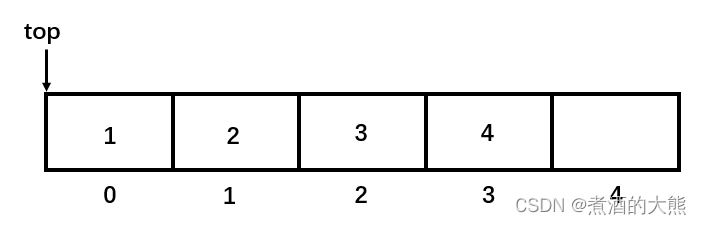
top先放数据,再++
//初始化栈 void StackInit(ST* ps) { assert(ps); ps->a = (STDatatype*)malloc(sizeof(STDatatype) * 4); if (ps->a == NULL) { perror("malloc fail"); exit(-1); } ps->top = 0; ps->capacity = 4; } //销毁栈 void StackDestroy(ST* ps) { assert(ps); free(ps->a); ps->a = NULL; ps->top = 0; ps->capacity = 0; } //入栈 void StackPush(ST* ps, STDatatype x) { assert(ps); if (ps->top == ps->capacity) { STDatatype* tmp = (STDatatype*)realloc(ps->a, ps->capacity * 2 * sizeof(STDatatype)); if (tmp == NULL) { perror("realloc fail"); exit(-1); } ps->a = tmp; ps->capacity *= 2; } ps->a[ps->top] = x; ps->top++; } //出栈 void StackPop(ST* ps) { assert(ps); assert(!StackEmpty(ps)); ps->top--; } //获取栈顶元素 STDatatype StackTop(ST* ps) { assert(ps); assert(!StackEmpty(ps)); return ps->a[ps->top - 1]; } //判断栈是否为空,若为空,则返回非零,若不为空,则返回零 bool StackEmpty(ST* ps) { assert(ps); return ps->top == 0; } //获取栈中的元素个数 int StackSize(ST* ps) { assert(ps); return ps->top; }- 1
- 2
- 3
- 4
- 5
- 6
- 7
- 8
- 9
- 10
- 11
- 12
- 13
- 14
- 15
- 16
- 17
- 18
- 19
- 20
- 21
- 22
- 23
- 24
- 25
- 26
- 27
- 28
- 29
- 30
- 31
- 32
- 33
- 34
- 35
- 36
- 37
- 38
- 39
- 40
- 41
- 42
- 43
- 44
- 45
- 46
- 47
- 48
- 49
- 50
- 51
- 52
- 53
- 54
- 55
- 56
- 57
- 58
- 59
- 60
- 61
- 62
- 63
- 64
- 65
- 66
当栈顶初始化为-1时,代码如下:

top先++,再放数据
//初始化栈 void StackInit(ST* ps) { assert(ps); ps->a = (STDatatype*)malloc(sizeof(STDatatype) * 4); if (ps->a == NULL) { perror("malloc fail"); exit(-1); } ps->top = -1; ps->capacity = 4; } //销毁栈 void StackDestroy(ST* ps) { assert(ps); free(ps->a); ps->a = NULL; ps->top = -1; ps->capacity = 0; } //入栈 void StackPush(ST* ps, STDatatype x) { assert(ps); if (ps->top + 1 == ps->capacity) { STDatatype* tmp = (STDatatype*)realloc(ps->a, ps->capacity * 2 * sizeof(STDatatype)); if (tmp == NULL) { perror("realloc fail"); exit(-1); } ps->a = tmp; ps->capacity *= 2; } ps->top++; ps->a[ps->top] = x; } //出栈 void StackPop(ST* ps) { assert(ps); assert(!StackEmpty(ps)); ps->top--; } //获取栈顶元素 STDatatype StackTop(ST* ps) { assert(ps); assert(!StackEmpty(ps)); return ps->a[ps->top]; } //判断栈是否为空,若为空,则返回非零,若不为空,则返回零 bool StackEmpty(ST* ps) { assert(ps); return ps->top == -1; } //获取栈中的元素个数 int StackSize(ST* ps) { assert(ps); return ps->top + 1; }- 1
- 2
- 3
- 4
- 5
- 6
- 7
- 8
- 9
- 10
- 11
- 12
- 13
- 14
- 15
- 16
- 17
- 18
- 19
- 20
- 21
- 22
- 23
- 24
- 25
- 26
- 27
- 28
- 29
- 30
- 31
- 32
- 33
- 34
- 35
- 36
- 37
- 38
- 39
- 40
- 41
- 42
- 43
- 44
- 45
- 46
- 47
- 48
- 49
- 50
- 51
- 52
- 53
- 54
- 55
- 56
- 57
- 58
- 59
- 60
- 61
- 62
- 63
- 64
- 65
- 66
二、队列的实现
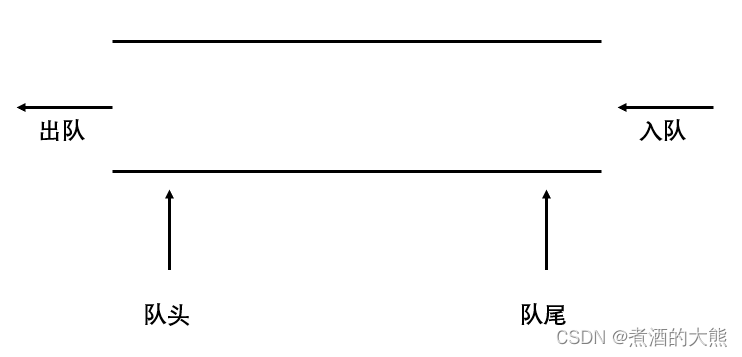
队列是一种特殊的线性表,只允许在一端进行插入数据操作,在另一端进行删除数据操作,进行插入数据的一端称为队尾,进行删除数据的一端称为队头。
创建一个栈:
typedef int QDataType; typedef struct QueueNode { QDataType data; struct QueueNode* next; }QNode; typedef struct Queue { QNode* head; QNode* tail; int size; }Queue;- 1
- 2
- 3
- 4
- 5
- 6
- 7
- 8
- 9
- 10
- 11
- 12
- 13
代码实现:
//初始化队列 void QueueInit(Queue* pq) { assert(pq); pq->head = NULL; pq->tail = NULL; pq->size = 0; } //销毁队列 void QueueDestroy(Queue* pq) { assert(pq); QNode* cur = pq->head; while (cur) { QNode* del = cur; cur = cur->next; free(del); } pq->head = pq->tail = NULL; pq->size = 0; } //入队 void QueuePush(Queue* pq, QDataType x) { assert(pq); QNode* newnode = (QNode*)malloc(sizeof(QNode)); if (newnode == NULL) { perror("malloc fail"); exit(-1); } newnode->data = x; newnode->next = NULL; if (pq->tail == NULL) { pq->head = pq->tail = newnode; } else { pq->tail->next = newnode; pq->tail = newnode; } pq->size++; } //出队 void QueuePop(Queue* pq) { assert(pq); assert(!QueueEmpty(pq)); if (pq->head->next == NULL) { free(pq->head); pq->head = pq->tail = NULL; } else { QNode* del = pq->head; pq->head = pq->head->next; free(del); } pq->size--; } //获取队列头部元素 QDataType QueueFront(Queue* pq) { assert(pq); assert(!QueueEmpty(pq)); return pq->head->data; } //获取队列队尾元素 QDataType QueueBack(Queue* pq) { assert(pq); assert(!QueueEmpty(pq)); return pq->tail->data; } //判断队列是否为空,若为空,则返回非零,若不为空,则返回零 bool QueueEmpty(Queue* pq) { assert(pq); return pq->head == NULL && pq->tail == NULL; } //获取队列中元素个数 int QueueSize(Queue* pq) { assert(pq); return pq->size; }- 1
- 2
- 3
- 4
- 5
- 6
- 7
- 8
- 9
- 10
- 11
- 12
- 13
- 14
- 15
- 16
- 17
- 18
- 19
- 20
- 21
- 22
- 23
- 24
- 25
- 26
- 27
- 28
- 29
- 30
- 31
- 32
- 33
- 34
- 35
- 36
- 37
- 38
- 39
- 40
- 41
- 42
- 43
- 44
- 45
- 46
- 47
- 48
- 49
- 50
- 51
- 52
- 53
- 54
- 55
- 56
- 57
- 58
- 59
- 60
- 61
- 62
- 63
- 64
- 65
- 66
- 67
- 68
- 69
- 70
- 71
- 72
- 73
- 74
- 75
- 76
- 77
- 78
- 79
- 80
- 81
- 82
- 83
- 84
- 85
- 86
- 87
- 88
- 89
-
相关阅读:
【IMX6ULL学习笔记之Linux系统移植01】——环境搭建
用tidyverse包做探索性数据分析,常用函数总结
Git 命令详解
Mongoose应用和文件上传
MySQL的ACID
nginx--正向代理、反向代理及负载均衡(图解+配置)
如何选择适合爬虫的动态住宅套餐
Qt学习总结之QComboBox
【每日一题】咒语和药水的成功对数
springboot验证码的生成与验证
- 原文地址:https://blog.csdn.net/Hush_H/article/details/127932691
