-
Python 实现个人博客系统(附零基础python学习资料)
前言
项目描述
开发环境:PyCharm、python3.7、MySQL5.5使用技术:服务端是使用Flask开发的,前端是使用的Layui和Markdown编辑器所实现的。
项目包含功能如下:(文末送读者福利)
注册:注册账号
登录:通过账号密码进行登录
写博客:写博客采用的Markdown编辑器完成的。可以发布自己的博客
我的博客:查看自己发布的博客并对其管理
我的评论:查看自己的所有评论并对其管理
修改密码
查看博客列表:查看所有已发布的博客博客详情页:查看博客内容及评论信息,可以对当前博客进行评论
关于
项目目录

数据库设计
数据库一共设计了三张表:用户表、博客表、评论表。(文末送读者福利)
表之间的映射关系如下:

用户表和博客表一对多关系;用户和评论表一对多关系;博客表和评论表一对多关系。其表的模型类代码如下:
class User(db.Model): # 设置表名 __tablename__ = 'tb_user'; # id,主键并自动递增 id = db.Column(db.Integer, primary_key=True, autoincrement=True) username = db.Column(db.String(64), unique=True) password = db.Column(db.String(256), nullable=True) name = db.Column(db.String(64)) # 设置只可写入,对密码进行加密 def password_hash(self, password): self.password = generate_password_hash(password); class Blog(db.Model): __tablename__ = 'blog' id = db.Column(db.Integer, primary_key=True, autoincrement=True) title = db.Column(db.String(128)) text = db.Column(db.TEXT) create_time = db.Column(db.String(64)) #关联用户id user_id = db.Column(db.Integer, db.ForeignKey('tb_user.id')) user = db.relationship('User', backref='user') class Comment(db.Model): __tablename__ = 'comment' id = db.Column(db.Integer, primary_key=True, autoincrement=True) text = db.Column(db.String(256)) # 评论内容 create_time = db.Column(db.String(64)) # 关联博客id blog_id = db.Column(db.Integer, db.ForeignKey("blog.id")) # 关联用户id user_id = db.Column(db.Integer, db.ForeignKey("tb_user.id")) blog = db.relationship("Blog", backref="blog") user = db.relationship("User", backref="use")- 1
- 2
- 3
- 4
- 5
- 6
- 7
- 8
- 9
- 10
- 11
- 12
- 13
- 14
- 15
- 16
- 17
- 18
- 19
- 20
- 21
- 22
- 23
- 24
- 25
- 26
- 27
- 28
- 29
- 30
- 31
- 32
- 33
- 34
功能实现
页面基本模板实现
页面使用的是Jinja2模板,Jinja2支持页面继承,所以导航栏重复性的页面代码,我们都可以写在一个文件中。这里我们先创建一个base.html文件,编写页面大致的框架。其他模块直接继承使用即可。"en"> "UTF-8"> "stylesheet" href="/static/layui/css/layui.css"> "stylesheet" href="/static/css/base.css"> "/static/js/jquery.js"> "/static/layui/layui.js"> {% block css %} {% endblock %} "bg">- 1
- 2
- 3
- 4
- 5
- 6
- 7
- 8
- 9
- 10
- 11
- 12
- 13
"layui-nav" lay-filter=""> "layui-nav-item">"/">在线博客平台 {% if username %} "layui-nav-item{% block updatepwd_class %}{% endblock %}">"/updatePwd">修改密码 {% endif %} "layui-nav-item{% block blog_class %}{% endblock %}">"/blog/blogAll">博客 "layui-nav-item{% block about_class %}{% endblock %}">"/about">关于 {% if username %} "layui-nav-item" style="float: right; margin-right: 30px;"> "javascript:;">{{ name }} "layui-nav-child"> "/blog/myBlog">我的博客 "/blog/myComment">我的评论 "/logout">注销 "layui-nav-item{% block write_class %}{% endblock %}" style="float: right">"/blog/writeBlog">写博客 {% else %} "layui-nav-item{% block register_class %}{% endblock %}" style="float: right">"/register">注册 "layui-nav-item{% block login_class %}{% endblock %}" style="float: right">"/login">登录 {% endif %} "content"> {% block content %} {# 其他页面内容 #} {% endblock %}- 1
- 2
- 3
- 4
- 5
- 6
- 7
- 8
- 9
- 10
- 11
- 12
- 13
- 14
- 15
- 16
- 17
- 18
- 19
- 20
- 21
- 22
- 23
- 24
- 25
- 26
- 27
- 28
- 29
- 30
- 31
- 32
- 33
这里页面使用了Layui定义了一个导航栏,展示了对应的功能模块。其中{% if username %},username为后台存放在session中的一个键值对,用于判断用户是否登录了,有些功能登录后才显示。
base.html模板文件完成后,我们在定义一个index.html来做项目的首页,直接继承base.html。这样首页index.html就节省了很多代码。如下:
{% extends 'base.html' %} {% block title %} 在线博客平台 {% endblock %} {% block content %} "margin: 35vh;">在线博客平台 {% endblock %}- 1
- 2
- 3
- 4
- 5
- 6
- 7
- 8
- 9
首页效果如下:

登录与注册功能
登录
先定义一个登录的视图函数,可以接收GET、POST请求,GET请求为跳转到登录页面,POST请求为处理登录提交的请求,验证是否登录成功,登录成功后把当前登录对象的用户名存入session会话中。
# 登录请求 @index.route('/login', methods=['POST', 'GET']) def login(): if request.method == 'GET': return render_template('login.html') if request.method == 'POST': username = request.form.get('username') password = request.form.get('password') user = User.query.filter(User.username == username).first(); # check_password_hash比较两个密码是否相同 if (user is not None) and (check_password_hash(user.password, password)): session['username'] = user.username session.permanent = True return redirect(url_for('index.hello')) else: flash("账号或密码错误") return render_template('login.html');- 1
- 2
- 3
- 4
- 5
- 6
- 7
- 8
- 9
- 10
- 11
- 12
- 13
- 14
- 15
- 16
- 17
登录页面是用Layui写的一组form表单,也是基础的base.html,代码如下:
{% extends 'base.html' %} {% block title %} 在线博客平台.登录 {% endblock %} {% block css %} "stylesheet" href="/static/css/register.css"> {% endblock %} {% block content %} "register"> 登录 "tip"> {% for item in get_flashed_messages() %} {{ item }} {% endfor %} "layui-form" action="login" method="post"> "layui-form-item"> "layui-form-label">用户名 "layui-input-block"> type="text" name="username" required lay-verify="required" placeholder="请输入用户名" class="layui-input"> "layui-form-item"> "layui-form-label">密 码 "layui-input-block"> type="password" name="password" required lay-verify="required" placeholder="请输入密码" class="layui-input"> "layui-form-item"> "layui-input-block"> "layui-btn" lay-submit lay-filter="formDemo">立即提交 type="reset" class="layui-btn layui-btn-primary">重置 {% endblock %} {% block login_class %} layui-this {% endblock %}- 1
- 2
- 3
- 4
- 5
- 6
- 7
- 8
- 9
- 10
- 11
- 12
- 13
- 14
- 15
- 16
- 17
- 18
- 19
- 20
- 21
- 22
- 23
- 24
- 25
- 26
- 27
- 28
- 29
- 30
- 31
- 32
- 33
- 34
- 35
- 36
- 37
- 38
- 39
- 40
- 41
- 42
- 43
- 44
- 45
- 46
- 47
- 48
效果如下(账号和密码错误后,会有相应的提示信息):

注册和登录差不多,页面都是使用的同一个css样式文件,所以这里就贴代码出来了,需要的可以自行下载完整项目代码:GitHub地址。修改密码
修改密码模块,因为数据库存放明文密码很不安全,所以这里使用了Werkzeug对密码进行了加密存储。对于WerkZeug密码加密想进一步了解的,可以访问Flask 使用Werkzeug实现密码加密。
因为数据库中存储的是加密后的密码,所以这里判断原密码是否正确需要使用check_password_hash函数进行判断。
定义一个修改密码的视图函数。
# 修改密码 @index.route("/updatePwd", methods=['POST', 'GET']) @login_limit def update(): if request.method == "GET": return render_template("updatePwd.html") if request.method == 'POST': lodPwd = request.form.get("lodPwd") newPwd1 = request.form.get("newPwd1") newPwd2 = request.form.get("newPwd2") username = session.get("username"); user = User.query.filter(User.username == username).first(); if check_password_hash(user.password, lodPwd): if newPwd1 != newPwd2: flash("两次新密码不一致!") return render_template("updatePwd.html") else: user.password_hash(newPwd2) db.session.commit(); flash("修改成功!") return render_template("updatePwd.html") else: flash("原密码错误!") return render_template("updatePwd.html")- 1
- 2
- 3
- 4
- 5
- 6
- 7
- 8
- 9
- 10
- 11
- 12
- 13
- 14
- 15
- 16
- 17
- 18
- 19
- 20
- 21
- 22
- 23
- 24
页面样式文件和登录注册引入的样式文件一致(原密码不正确或两次新密码不同,会给出相应的提示信息),代码如下:
{% extends 'base.html' %} {% block title %} 在线博客平台.修改密码 {% endblock %} {% block css %} "stylesheet" href="/static/css/register.css"> {% endblock %} {% block content %} "register"> 修改密码 "tip"> {% for item in get_flashed_messages() %} {{ item }} {% endfor %} "layui-form" action="updatePwd" method="post"> "layui-form-item"> "layui-form-label">原密码 "layui-input-block"> type="password" name="lodPwd" required lay-verify="required" placeholder="请输入原密码" class="layui-input"> "layui-form-item"> "layui-form-label">新密码 "layui-input-block"> type="password" name="newPwd1" required lay-verify="required" placeholder="请输入新密码" class="layui-input"> "layui-form-item"> "layui-form-label">确认新密码 "layui-input-block"> type="password" name="newPwd2" required lay-verify="required" placeholder="请再次输入新密码" class="layui-input"> "layui-form-item"> "layui-input-block"> "layui-btn" lay-submit lay-filter="formDemo">立即提交 {% endblock %} {% block updatepwd_class %} layui-this {% endblock %}- 1
- 2
- 3
- 4
- 5
- 6
- 7
- 8
- 9
- 10
- 11
- 12
- 13
- 14
- 15
- 16
- 17
- 18
- 19
- 20
- 21
- 22
- 23
- 24
- 25
- 26
- 27
- 28
- 29
- 30
- 31
- 32
- 33
- 34
- 35
- 36
- 37
- 38
- 39
- 40
- 41
- 42
- 43
- 44
- 45
- 46
- 47
- 48
- 49
- 50
- 51
- 52
- 53
效果如下:

写博客
写博客,博客表中会保存标题、博客内容、当前时间等字段。如下是写博客的视图函数。# 写博客页面 @blog.route('/writeBlog', methods=['POST', 'GET']) @login_limit def writeblog(): if request.method == 'GET': return render_template('writeBlog.html') if request.method == 'POST': title = request.form.get("title") text = request.form.get("text") username = session.get('username') # 获取当前系统时间 create_time = time.strftime("%Y-%m-%d %H:%M:%S") user = User.query.filter(User.username == username).first() blog = Blog(title=title, text=text, create_time=create_time, user_id=user.id) db.session.add(blog) db.session.commit(); blog = Blog.query.filter(Blog.create_time == create_time).first(); return render_template('blogSuccess.html', title=title, id=blog.id)- 1
- 2
- 3
- 4
- 5
- 6
- 7
- 8
- 9
- 10
- 11
- 12
- 13
- 14
- 15
- 16
- 17
- 18
保存博客时会获取到当前系统时间,当做博客的发布时间。博客保存成功后,会返回保存成功页面,下面会有讲解。
写博客对应的html文件,代码如下。
{% extends 'base.html' %} {% block title %} 在线博客平台.写博客 {% endblock %} {% block css %} "stylesheet" type="text/css" href="/static/editor/css/editormd.css"/> "/static/editor/editormd.js" type="text/javascript"> {% endblock %} {% block content %} "main"> "/blog/writeBlog" class="layui-form" method="post"> "layui-form-item"> "layui-form-label">标 题 "layui-input-block"> type="text" name="title" lay-verify="required" placeholder="请输入标题" class="layui-input"> "editormd"> "text" lay-verify="required" style="display:none;" > "layui-form-item"> "layui-input-block"> "layui-btn" style="width: 150px" lay-submit lay-filter="formDemo">保存 type="text/javascript"> layui.use('form', function(){ var form = layui.form; form.on('submit(formDemo)', function(data){ }); }); $(function() { editormd("editormd", { width: "100%", height: 600, syncScrolling: "single", path: "/static/editor/lib/", //依赖lib文件夹路径 emoji: true, taskList: true, tocm: true, imageUpload: true, //开启本地图片上传 imageFormats: ["jpg", "jpeg", "gif", "png"], //设置上传图片的格式 imageUploadURL: "/blog/imgUpload" //上传图片请求路径 }); }); {% endblock %} {% block write_class %} layui-this {% endblock %}- 1
- 2
- 3
- 4
- 5
- 6
- 7
- 8
- 9
- 10
- 11
- 12
- 13
- 14
- 15
- 16
- 17
- 18
- 19
- 20
- 21
- 22
- 23
- 24
- 25
- 26
- 27
- 28
- 29
- 30
- 31
- 32
- 33
- 34
- 35
- 36
- 37
- 38
- 39
- 40
- 41
- 42
- 43
- 44
- 45
- 46
- 47
- 48
- 49
- 50
- 51
- 52
- 53
- 54
- 55
- 56
- 57
- 58
写博客这里采用的是Markdown编辑器,对于Markdown编辑器之前写过一篇Markdown的使用方法,只不过后端用的是Java语言,感兴趣的小伙伴可以看看,Markdown的基本使用。Flask与之不同的是,后端接收Markdown上传图片时的语句不同,Flask接收Markdown上传图片的语句:
file = request.files.get('editormd-image-file');- 1
其他的基本相同,毕竟Markdown是属于前端的知识,后端只要求根据规定个格式返回数据即可。
因为Markdown支持图片上传,那就必须的有文件上传的方法了。如下定义一个文件上传的视图函数(这里需要注意的是Markdown上传图片是使用的POST方法)。
# 上传图片 @blog.route('/imgUpload', methods=['POST']) @login_limit def imgUpload(): try: file = request.files.get('editormd-image-file'); fname = secure_filename(file.filename); ext = fname.rsplit('.')[-1]; # 生成一个uuid作为文件名 fileName = str(uuid.uuid4()) + "." + ext; filePath = os.path.join("static/uploadImg/", fileName); file.save(filePath) return { 'success': 1, 'message': '上传成功!', 'url': "/" + filePath } except Exception: return { 'success': 0, 'message': '上传失败' }- 1
- 2
- 3
- 4
- 5
- 6
- 7
- 8
- 9
- 10
- 11
- 12
- 13
- 14
- 15
- 16
- 17
- 18
- 19
- 20
- 21
- 22
如果对上述的文件上传代码比较陌生,可以访问Flask 文件上传与下载,对Flask文件上传与下载进一步了解。
效果如下:

保存成功后,会返回保存成功页面,可以在写一篇,或者查看当前发布的文章。

查看博客列表
查看博客列表就是遍历所有已发布的博客。先定义一个视图函数,查询所有已发布的博客,传递到前端进行遍历显示。视图函数代码如下:
# 展示全部博客 @blog.route("/blogAll") def blogAll(): # order_by按照时间倒序 blogList = Blog.query.order_by(Blog.create_time.desc()).all(); return render_template('blogAll.html', blogList=blogList)- 1
- 2
- 3
- 4
- 5
- 6
因为最新发布的博客在数据库的最后一条,所以这里根据发布时间倒序查询。
页面代码如下:
{% extends 'base.html' %} {% block title %} 在线博客平台.博客 {% endblock %} {% block css %} "stylesheet" href="/static/css/blogAll.css"> {% endblock %} {% block content %} "main"> {% for blog in blogList %} "title" href="/blog/showBlog/{{ blog.id }}">{{ blog.title }} 发布人:{{ blog.user.name }} 发布时间:{{ blog.create_time }} {% endfor %} {% endblock %} {% block blog_class %} layui-this {% endblock %}- 1
- 2
- 3
- 4
- 5
- 6
- 7
- 8
- 9
- 10
- 11
- 12
- 13
- 14
- 15
- 16
- 17
- 18
- 19
- 20
- 21
- 22
- 23
- 24
- 25
- 26
- 27
- 28
- 29
- 30
- 31
- 32
- 33
- 34
- 35
效果如下:

博客详情页面
在博客列表中点击博客的标题可以进入博客的详情页面,详情页面展示了博客的详细内容以及评论内容。
因为数据库中保存博客内容的是Markdown格式的,所以在这里需要解析成HTML格式,解析代码如下。
"/static/editor/lib/marked.min.js"> "/static/editor/lib/prettify.min.js"> "/static/editor/lib/raphael.min.js"> "/static/editor/lib/underscore.min.js"> "/static/editor/lib/sequence-diagram.min.js"> "/static/editor/lib/flowchart.min.js"> "/static/editor/lib/jquery.flowchart.min.js"> "/static/editor/editormd.js"> editormd.markdownToHTML("test", { htmlDecode: "style,script,iframe", emoji: true, taskList: true, tex: true, // 默认不解析 flowChart: true, // 默认不解析 sequenceDiagram: true // 默认不解析 });- 1
- 2
- 3
- 4
- 5
- 6
- 7
- 8
- 9
- 10
- 11
- 12
- 13
- 14
- 15
- 16
评论
在博客详情页面可以进行评论,评论使用的是Layui的编辑器,比较简约也可以达到想要的效果。

看上去是不是还可以,和页面也很搭。评论需要先登录才可以评论,如果没有登录则会提示登录。

如果登录评论后,会发送保存评论请求,携带当前博客的id和评论内容进行保存。
保存评论的视图函数。# 评论 @blog.route("/comment", methods=['POST']) @login_limit def comment(): text = request.values.get('text') blogId = request.values.get('blogId') username = session.get('username') # 获取当前系统时间 create_time = time.strftime("%Y-%m-%d %H:%M:%S") user = User.query.filter(User.username == username).first() comment = Comment(text=text, create_time=create_time, blog_id=blogId, user_id=user.id) db.session.add(comment) db.session.commit(); return { 'success': True, 'message': '评论成功!', }- 1
- 2
- 3
- 4
- 5
- 6
- 7
- 8
- 9
- 10
- 11
- 12
- 13
- 14
- 15
- 16
- 17
上述的博客内容解析与评论都在一个页面中,完整代码如下。
{% extends 'base.html' %} {% block title %} 在线博客平台.博客 {% endblock %} {% block css %} "stylesheet" type="text/css" href="/static/editor/css/editormd.css"/> "stylesheet" href="/static/css/showBlog.css"> "/static/editor/lib/marked.min.js"> "/static/editor/lib/prettify.min.js"> "/static/editor/lib/raphael.min.js"> "/static/editor/lib/underscore.min.js"> "/static/editor/lib/sequence-diagram.min.js"> "/static/editor/lib/flowchart.min.js"> "/static/editor/lib/jquery.flowchart.min.js"> "/static/editor/editormd.js"> {% endblock %} {% block content %} "main"> {{ blog.title }} 发布人:{{ blog.user.name }} 发布时间:{{ blog.create_time }} "test"> {{ blog.text }} "layui-elem-field layui-field-title"> 发表评论 type="hidden" id="blog_id" name="blogId" value="{{ blog.id }}"> "lay_edit" lay-verify="content" name="text"> type="button" class="layui-btn comSub">提交评论 "margin-top: 30px; margin-bottom: 20px;"> "comment"> {% for com in comment %} "myText">{{ com.text }} 评论人:{{ com.user.name }} 发布时间:{{ com.create_time }} {% endfor %} type="text/javascript"> $(function (){ $(".myText").each(function () { $(this).html($(this).text()); }); }) editormd.markdownToHTML("test", { htmlDecode: "style,script,iframe", emoji: true, taskList: true, tex: true, // 默认不解析 flowChart: true, // 默认不解析 sequenceDiagram: true // 默认不解析 }); layui.use(['layedit', 'form'], function () { var form = layui.form; var layedit = layui.layedit; //创建一个编辑器 var index = layedit.build('lay_edit', { height: 150, tool: [ 'face', //表情 '|', //分割线 'link' //超链接 ] }); $(".comSub").click(function (){ layui.use('layer', function(){ var layer = layui.layer; {% if username %} //获取评论内容 var text = layedit.getContent(index); var blogId = $("#blog_id").val(); if(text == "" || text == undefined){ layer.msg("评论不能为空哦!", {icon: 0}); }else { $.post("/blog/comment", {text: text, blogId: blogId}, function (result) { if (result.success) { window.location.href = '/blog/showBlog/' + blogId; } }) } {% else %} layer.confirm('登录后在评论哦!', { btn: ['取消','登录'] }, function(index){ layer.close(index); }, function(){ window.location.href = '/login'; }); {% endif %} }); }) }); {% endblock %}- 1
- 2
- 3
- 4
- 5
- 6
- 7
- 8
- 9
- 10
- 11
- 12
- 13
- 14
- 15
- 16
- 17
- 18
- 19
- 20
- 21
- 22
- 23
- 24
- 25
- 26
- 27
- 28
- 29
- 30
- 31
- 32
- 33
- 34
- 35
- 36
- 37
- 38
- 39
- 40
- 41
- 42
- 43
- 44
- 45
- 46
- 47
- 48
- 49
- 50
- 51
- 52
- 53
- 54
- 55
- 56
- 57
- 58
- 59
- 60
- 61
- 62
- 63
- 64
- 65
- 66
- 67
- 68
- 69
- 70
- 71
- 72
- 73
- 74
- 75
- 76
- 77
- 78
- 79
- 80
- 81
- 82
- 83
- 84
- 85
- 86
- 87
- 88
- 89
- 90
- 91
- 92
- 93
- 94
- 95
- 96
- 97
- 98
- 99
- 100
- 101
- 102
- 103
- 104
- 105
- 106
- 107
- 108
- 109
- 110
- 111
- 112
- 113
- 114
- 115
- 116
- 117
我的博客
登录之后在右上角导航栏可以查看我的博客,查看个人已经发布过的博客并进行管理。

定义一个视图函数,查询当前登录的用户发布的所有博客。# 查看个人博客 @blog.route("/myBlog") @login_limit def myBlog(): username = session.get('username') user = User.query.filter(User.username == username).first() # order_by按照时间倒序 blogList = Blog.query.filter(Blog.user_id == user.id).order_by(Blog.create_time.desc()).all() return render_template("myBlog.html", blogList=blogList)- 1
- 2
- 3
- 4
- 5
- 6
- 7
- 8
- 9
页面与博客列表基本相似,但可以对其博客进行修改与删除。

修改博客
在我的博客中,有修改博客的链接,把当前的博客id当做参数传递到后台,查询当前这条博客的数据,进行修改。
# 博客修改 @blog.route("/update/", methods=['POST', 'GET']) @login_limit def update(id): if request.method == 'GET': blog = Blog.query.filter(Blog.id == id).first(); return render_template('updateBlog.html', blog=blog) if request.method == 'POST': id = request.form.get("id") title = request.form.get("title") text = request.form.get("text") blog = Blog.query.filter(Blog.id == id).first(); blog.title = title; blog.text = text; db.session.commit(); return render_template('blogSuccess.html', title=title, id=id)- 1
- 2
- 3
- 4
- 5
- 6
- 7
- 8
- 9
- 10
- 11
- 12
- 13
- 14
- 15
- 16
修改页面和写博客的页面基本一样,在textarea标签中设置markdown编辑器的默认值。
"text" lay-verify="required" style="display:none;" >{{ blog.text }}- 1
删除博客
删除博客和修改一样,把博客的id传到后端,根据id删除数据库中对应的数据。
# 删除博客 @blog.route("/delete/") @login_limit def delete(id): blog = Blog.query.filter(Blog.id == id).first(); db.session.delete(blog); db.session.commit(); return { 'state': True, 'msg': "删除成功!" }- 1
- 2
- 3
- 4
- 5
- 6
- 7
- 8
- 9
- 10
- 11
删除成功后,使用JS删除页面上对应的DOM元素。
function del(url, that){ layui.use('layer', function(){ var layer = layui.layer; layer.confirm('您确定要删除吗?', { btn: ['取消','确定'] }, function(index){ layer.close(index); }, function(){ $.get(url, function (data){ if(data.state){ $(that).parent().parent().parent().remove(); layer.msg(data.msg, {icon: 1}); } }) }); }); }- 1
- 2
- 3
- 4
- 5
- 6
- 7
- 8
- 9
- 10
- 11
- 12
- 13
- 14
- 15
- 16
- 17
我的评论
在页面的右上角不仅可以查看个人已发布的博客,也可以看到自己的所有评论信息。

根据评论列表,可以点击评论或博客,可以进入评论的博客详情页中;也可以对评论的内容进行删除操作。定义一个视图函数,查询所有的评论内容,返回给前台遍历展示(同样根据时间倒序查询)。
# 用户所有的评论 @blog.route('/myComment') @login_limit def myComment(): username = session.get('username') user = User.query.filter(User.username == username).first() # order_by按照时间倒序 commentList = Comment.query.filter(Comment.user_id == user.id).order_by(Comment.create_time.desc()).all(); return render_template("myComment.html", commentList=commentList)- 1
- 2
- 3
- 4
- 5
- 6
- 7
- 8
- 9
前端页面展示代码。
{% extends 'base.html' %} {% block title %} 在线博客平台.我的评论 {% endblock %} {% block css %} "stylesheet" href="/static/css/blogAll.css"> {% endblock %} {% block content %} "main"> {% for comment in commentList %} "title" href="/blog/showBlog/{{ comment.blog_id }}">{{ comment.text }} 博客:"/blog/showBlog/{{ comment.blog_id }}">{{ comment.blog.title }} 评论时间:{{ comment.create_time }} "operation"> "javascript:;" onclick="del('/blog/deleteCom/{{ comment.id }}', this)">删除 {% endfor %} type="text/javascript"> $(function (){ $(".title").each(function () { $(this).html($(this).text()); }); }) function del(url, that){ layui.use('layer', function(){ var layer = layui.layer; layer.confirm('您确定要删除吗?', { btn: ['取消','确定'] }, function(index){ layer.close(index); }, function(){ $.get(url, function (data){ if(data.state){ $(that).parent().parent().parent().remove(); layer.msg(data.msg, {icon: 1}); } }) }); }); } {% endblock %}- 1
- 2
- 3
- 4
- 5
- 6
- 7
- 8
- 9
- 10
- 11
- 12
- 13
- 14
- 15
- 16
- 17
- 18
- 19
- 20
- 21
- 22
- 23
- 24
- 25
- 26
- 27
- 28
- 29
- 30
- 31
- 32
- 33
- 34
- 35
- 36
- 37
- 38
- 39
- 40
- 41
- 42
- 43
- 44
- 45
- 46
- 47
- 48
- 49
- 50
- 51
- 52
- 53
- 54
- 55
- 56
- 57
- 58
- 59
- 60
页面样式和博客列表样式一致。
删除评论
在评论列表中有删除评论的链接,根据评论的id删除当前条评论,删除后,对应博客中的评论也随之删除。
# 删除评论 @blog.route('/deleteCom/') def deleteCom(id): com = Comment.query.filter(Comment.id == id).first() db.session.delete(com); db.session.commit(); return { 'state': True, 'msg': "删除成功!" }- 1
- 2
- 3
- 4
- 5
- 6
- 7
- 8
- 9
- 10
关于页面
关于页面可以简单的描述一下网站的设计及作用等,这里就没有写过多的内容了,可以自行设计。

注销
注销只需要清除session中的数据,返回首页即可。
# 退出 @index.route('/logout') def logout(): session.clear() return redirect(url_for('index.hello'))- 1
- 2
- 3
- 4
- 5
定义错误页面
系统在平时使用中难免会遇到一些错误,但又不能直接让用户看到这些错误,所以我们可以定义一个错误页面,使其报错后都跳转到此页面。Flask中有两个视图函数处理404和500错误的,这里直接使用即可,这里两个视图函数都是跳转到了同一个页面(也可以跳转不同的页面)。
# 404页面 @app.errorhandler(404) def page_not_found(e): return render_template('404.html'), 404; # 500页面 @app.errorhandler(500) def internal_server_error(e): return render_template('404.html'), 500;- 1
- 2
- 3
- 4
- 5
- 6
- 7
- 8
- 9
错误页面这里就简单的插入了一张图片,添加了一个返回首页的链接。
"en"> "UTF-8"> type="text/css"> body{ position: fixed; width: 100%; height: 100vh; background: url('/static/img/404.gif') no-repeat; background-size: cover; z-index: -1; } a{ width: 65px; display: inherit; margin: 0 auto; margin-top: 87vh; padding: 5px 20px; border: 1px solid; border-radius: 8px; } "/">返回首页- 1
- 2
- 3
- 4
- 5
- 6
- 7
- 8
- 9
- 10
- 11
- 12
- 13
- 14
- 15
- 16
- 17
- 18
- 19
- 20
- 21
- 22
- 23
- 24
- 25
- 26
效果如下:

读者福利:知道你对Python感兴趣,便准备了这套python学习资料,
对于0基础小白入门:
如果你是零基础小白,想快速入门Python是可以考虑的。
一方面是学习时间相对较短,学习内容更全面更集中。
二方面是可以找到适合自己的学习方案零基础Python学习资源介绍
👉Python学习路线汇总👈
Python所有方向的技术点做的整理,形成各个领域的知识点汇总,它的用处就在于,你可以按照上面的知识点去找对应的学习资源,保证自己学得较为全面。(学习教程文末领取哈)

👉Python必备开发工具👈

温馨提示:篇幅有限,已打包文件夹,获取方式在:文末
👉Python学习视频600合集👈
观看零基础学习视频,看视频学习是最快捷也是最有效果的方式,跟着视频中老师的思路,从基础到深入,还是很容易入门的。

👉实战案例👈
光学理论是没用的,要学会跟着一起敲,要动手实操,才能将自己的所学运用到实际当中去,这时候可以搞点实战案例来学习。

👉100道Python练习题👈
检查学习结果。

👉面试刷题👈


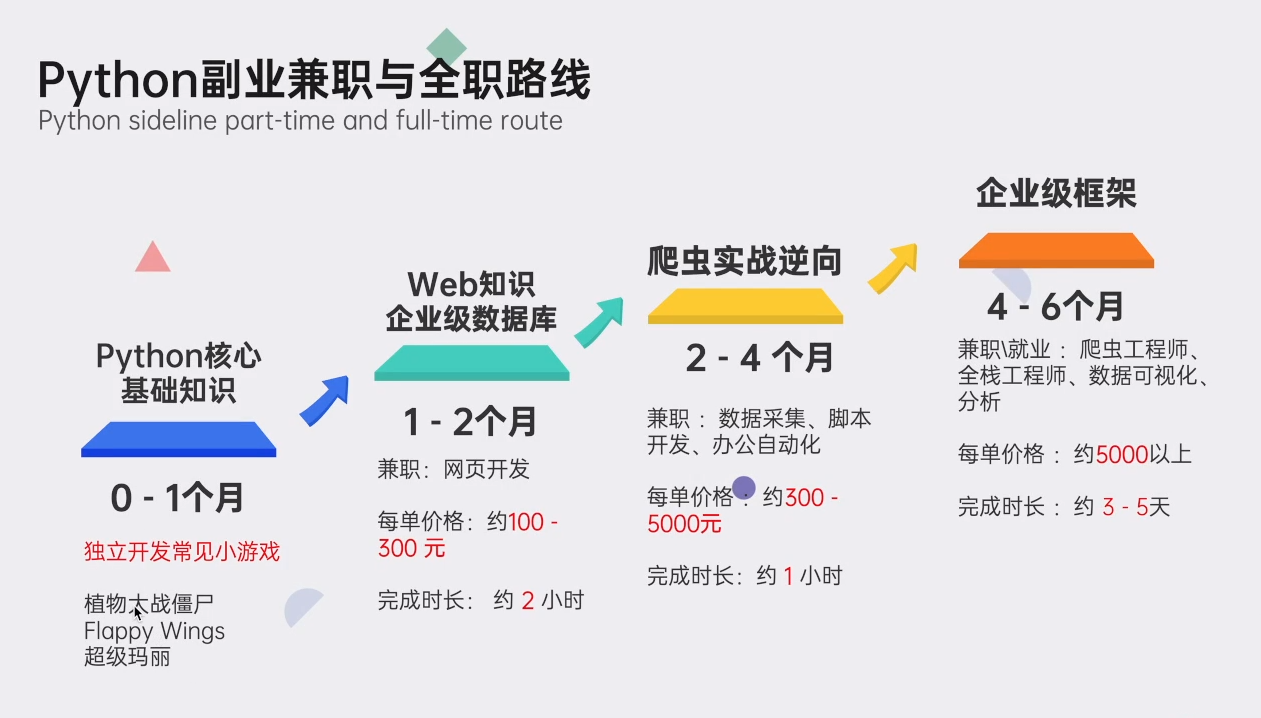
资料领取
这份完整版的Python全套学习资料已为大家备好,朋友们如果需要可以微信扫描下方二维码添加,输入"领取资料" 可免费领取全套资料【有什么需要协作的还可以随时联系我】朋友圈也会不定时的更新最前言python知识。↓↓↓
或者
【点此链接】领取
好文推荐
了解python的前景: https://blog.csdn.net/weixin_49892805/article/details/127196159
python有什么用: https://blog.csdn.net/weixin_49892805/article/details/127214402
-
相关阅读:
机器人制作开源方案 | 晾衣收纳一体机器人
51单片机+DS1302设计一个电子钟(LCD1602显示时间)
SQL 语言的详解 --- 最最基础的内容!!! 刚学完常复习
C++ 构造函数不能是虚函数的原因
SIT测试和UAT测试区别
JAVA每日小知识(关于excel下载时插入和stream流遍历优化)
无线WiFi安全渗透与攻防(六)之WEP破解-Gerix-wifi-cracker自动化破解WEP加密
Java内存溢出(OOM)分析
Apache Doris 2.0 如何实现导入性能提升 2-8 倍
TensorRT概述
- 原文地址:https://blog.csdn.net/weixin_49892805/article/details/127809281
